Why Do I Feel Weird After Skydiving In Taupo?
A plain explanation of the tired, shaky, emotional feeling many people report after a tandem skydive, what the operator says about the day itself, and when to see a doctor.
The strange, buzzy, wrung-out feeling that follows a tandem skydive is one of the most commonly reported parts of the whole experience, and it is normal in the sense that a great many jumpers describe it. Adrenaline, sustained effort and sensory overload leave a mark once the excitement drains away. This page walks through what people tend to report, how long it tends to last, and how to build a Taupo jump day around it, with the operator's own facts about timing, photos and videos folded in.
Why Do I Feel Weird After Skydiving?
Most jumpers who report feeling weird describe a mix of shakiness, unusual tiredness, a fizzy lightness in the limbs and emotions that swing without warning, and the common thread is the comedown from a huge adrenaline surge. Adrenaline primes the body for action; when the action ends, the release of that tension reads as strangeness rather than calm. The feeling is reported far more often than it is talked about beforehand, which is exactly why it catches people out.
The honest starting point is that nobody can tell you precisely what your own body will do, and this page makes no medical claims, cites no studies and quotes no numbers about bodies. What it can do is relay what jumpers commonly report and what the Taupo operator itself says about the shape of the day. The two fit together neatly, because a big part of the weird feeling is simply the aftermath of a morning built around one intense half hour.
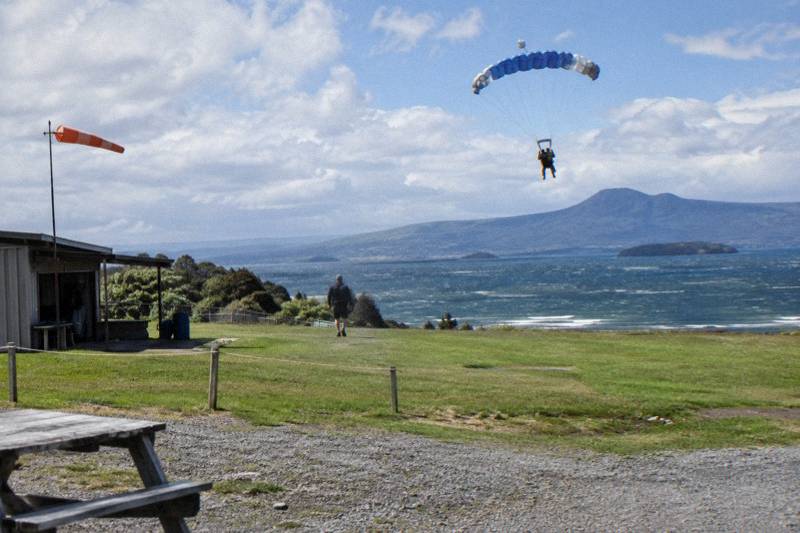
Think of the sequence. You arrive at the drop zone at 1227 Anzac Memorial Drive, Taupo Airport, sign in, get kitted out, brief with your tandem master, ride to altitude, fall, float, land and then, quite suddenly, there is nothing left to do. The whole skydive portion takes about 30 minutes, the operator says, and a visit is generally finished in about 2 hours. The contrast between those compressed, high-intensity minutes and the ordinary afternoon that follows them is where the weirdness lives.
All three end the same way, standing in a paddock wondering why your hands will not stay still.
What The Post-Jump Comedown Actually Feels Like
The pattern jumpers report most often is a jittery hour or two right after landing, followed by deep tiredness later in the day, sometimes with unexpected laughter, tears or a strange quietness mixed in. Hands tremble, legs feel hollow and food tastes urgent. None of these individual reports is a rule, but together they sketch a recognisable arc: revved, then drained, then slowly normal.
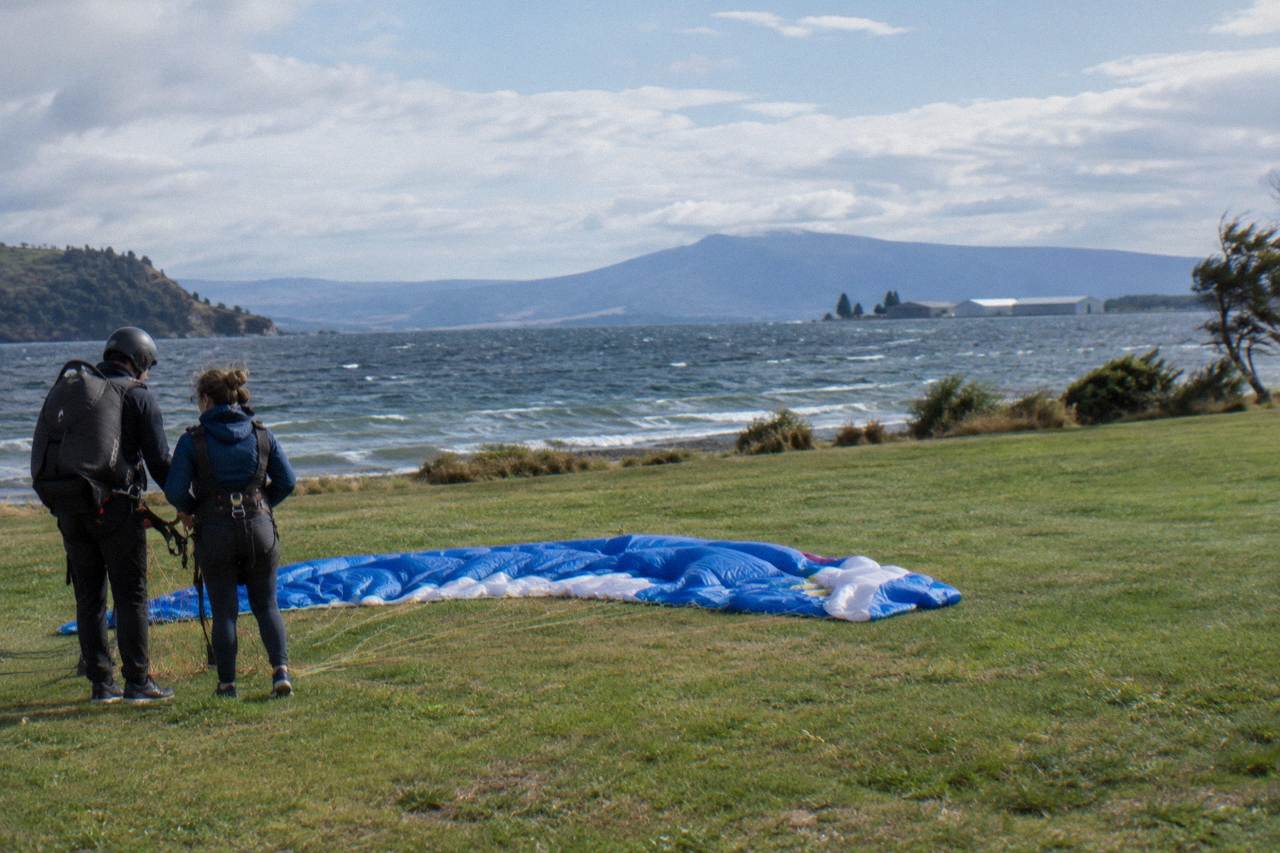
The trembling deserves a plain explanation. During the jump your muscles were clenched, your breathing was shallow and fast, and your blood was primed for an emergency that never quite arrived in the form your body expected. When you land and the emergency is over, the tension unwinds all at once, and jittery hands and wobbly knees are how that unwinding is commonly described. Many jumpers say the shaking was strongest while they were still standing around the drop zone, waiting for photos or watching the next load go up.
“They have to do it. Nathan was awesome he made you feel comfortable would I do it again hell yes thank you for the experience”
The emotional side surprises people even more than the shakes. Reports include sudden tearfulness on the drive back into town, giddy laughter that would not stop, or an odd flatness in the evening after a morning that felt enormous. There is nothing mysterious about any of it: an experience that concentrated, that loud and that far outside an ordinary week does not just switch off. Some people spend the afternoon re-telling it; others go notably quiet. Both are commonly reported.
Hunger and thirst ride along with everything else. Jumpers often describe wanting food almost immediately after landing, and a big lunch somewhere in Taupo is a frequent next move. Sensory after-effects are reported too: a day that feels slightly louder or brighter than usual for a few hours, and sleep that night that is either unusually deep or oddly restless. None of this is a promise about your afternoon, it is simply what the pattern of reports looks like.
| What jumpers commonly report | How it is usually described | When to treat it as a prompt to get checked |
|---|---|---|
| Shaky hands, wobbly legs | Strongest in the first hour after landing, easing afterwards | Shaking that persists well into the next day |
| Deep tiredness | Hitting hard in the afternoon or evening | Exhaustion with chest pain, breathlessness or fainting |
| Sudden emotions, tears or laughter | Arriving without warning on the day | Low mood or anxiety that lasts beyond a few days |
| Urgent hunger, big appetite | Right after landing, into the afternoon | Not applicable, eat normally |
| Restless or very deep sleep the first night | One night, then ordinary sleep | Sleep problems that continue for a week or more |
The right-hand column matters. Everything in the first two columns sits inside the commonly reported pattern; anything in the third column is a reason to talk to a doctor rather than to put it down to the jump.
How Long The Weird Feeling Usually Lasts
By the most common account, the jittery phase is largely gone within a few hours of landing, the tiredness peaks in the afternoon or evening and sleeps itself off in a night, and any emotional wobble settles within a day or two. A small number of people report a lingering buzzy afterglow for several days, describing it as pleasant rather than troubling. Anything that persists beyond that deserves a doctor's opinion.
The reason the timeline matters is planning. The operator says to arrive 30 minutes before the booked time to sign in, the skydive portion itself is about 30 minutes, and a visit is generally finished in about 2 hours, with the operator's FAQ suggesting you allow 2 to 3 hours overall. That leaves the rest of the day wide open, and it is genuinely useful to know that the back half of it may be lower-energy than the front half.
A sensible shape, drawn from the operator's own logistics, looks like this. Book a morning slot, jump, eat a real lunch in town, keep the afternoon loose, and treat the evening as recovery. The drop zone sits about a 10 minute drive from town, the operator says, and free transport within Taupo is offered, picking up about 30 minutes before the booked time in a stretch Hummer or minibus, so you can be back among cafes without needing to plan a route.
The higher-altitude option does not change this advice. The 15,000ft Tandem Skydive gives the operator's longest standard freefall at almost 60 seconds, but the operator states no separate duration figures per altitude, and the reported comedown pattern does not divide neatly by exit height. If you are weighing 12,000 ft against 15,000 ft, the head-to-head comparison of the two altitudes does that job properly; this page is about the afternoon afterwards.
Why Your Body Reacts This Way
The short version is chemistry plus contrast: adrenaline and its companion stress hormones flood the body during the jump, hold it there through the landing, and then drain away, and the draining is what feels weird. Layer on top of that the sheer sensory volume of freefall, the noise, the wind, the speed of it all, and the brain has a lot of ordinary processing to catch up on once the ground is underfoot again.
Adrenaline is the headline. It readies muscles, quickens the pulse and sharpens attention, which is exactly the kit you want while strapped to a tandem master at altitude. The body does not fully distinguish between excitement and emergency; it simply responds to intensity. When the intensity ends, the heightened state has to unwind, and jumpers commonly report that unwinding as shakes, warmth, hunger or a spaced-out floatiness. More of these guides are collected on Taupo Tandem Skydive.

Then there is the sensory debt. Freefall is loud, fast and unlike anything in a normal week, and the brain spends the rest of the day filing it. People often describe replaying the jump in fragments through the afternoon, which is part processing, part pleasure. Alongside that, the physical work is real even in a tandem jump: holding a body position, bracing on landing, and the general clench of nerves all cost energy, and the bill arrives a few hours later.
There is also a fair amount of plain emotion in the mix that has nothing to do with chemistry. Some jumpers are marking a birthday, a milestone or a fear conquered, and big feelings after a big marker are not a malfunction. Taupo itself helps here: lake air, an easy town and a slow shoreline give the comedown somewhere gentle to land. For more on the sensation itself, the page on why your stomach does not drop during skydiving covers the falling feeling, which is a different question from the after-feeling.
To be clear about the limits of this section: it is a hedged, common-report account, not physiology. No studies are cited because none are needed for the practical point, which is that the weirdness is expected, temporary for most people, and best met with food, water and a soft schedule.
“I had an amazing skydiving experience with you today, June 19, 2025! The 12,000-ft jump, professional guides, and seamless hotel pick-up and drop-off were outstanding. Thank you for an unforgettable adventure!”
Planning The Rest Of Your Jump Day
Plan for a slow afternoon. Book a morning slot, let the operator's transport handle the run to the airport, eat properly after landing, and leave the evening unhurried. Camera media does not land instantly either; the operator emails it as a link, so the photos and video from the day typically arrive while you are already deep in recovery mode.
The operator's own structure gives you the skeleton. Sign-in is 30 minutes before the booked time, the skydive portion runs about 30 minutes, and the visit finishes in about 2 hours, with the FAQ suggesting 2 to 3 hours allowed end to end. Trips run hourly, the operator says, from 9:00 to 16:00 in winter and 8:00 to 18:00 in summer, and the operator runs 362 days a year, so a morning slot is usually easy to find. Call 30 minutes before arrival or pickup to confirm the weather, as the operator advises, because weather decides whether a jump runs.
On cameras: the operator offers Selfie cam footage from the tandem master's wrist cameras or Freefall cam footage from a separate camera flyer, in packages the operator prices from NZD 25 up to NZD 300, with 10% off a camera package booked online. Whatever you choose, the media is emailed as a link. Practically, that means the moment you sit down somewhere quiet with your lunch, the footage may still be on its way, which conveniently gives the afternoon something to build towards. The full detail on packages is in the guide to Taupo skydive photo and video options.
| Part of the day | What the operator states | What to do with it |
|---|---|---|
| Before you leave | Call 30 minutes before arrival or pickup to confirm weather | Saves a wasted trip; weather decides |
| Sign-in | Arrive 30 minutes before the booked time | Use the operator's free Taupo transport, about 30 minutes before booking |
| The jump itself | Skydive portion about 30 minutes | Nothing to plan; your tandem master runs it |
| Afterwards on the ground | Visit generally finished in about 2 hours; FAQ says allow 2 to 3 hours | Do not book anything rigid for early afternoon |
| Media | Photos and video emailed as a link | Expect them after you have left, not on the spot |
| Rest of the day | No operator rule | Lunch in town, loose afternoon, easy evening |
One more planning note that pairs well with the comedown: if the morning is spoken for, the afternoon does not have to be. Taupo's lakefront is a short stroll from most of the town's cafes, and an aimless walk suits the post-jump state better than a schedule. If you are staying over, the skydive-friendly accommodation options around Lake Terrace and Napier Road keep the drop zone within a short drive, which matters when the tiredness lands.
When To See A Doctor
The commonly reported after-effects, shakes, tiredness, big emotions and a hungry afternoon, settle on their own for most people within a day or two. Persistent dizziness, chest pain, breathlessness, repeated fainting, or a low mood that stays past a few days are not part of that pattern and should go to a doctor. This page is not medical advice, and it deliberately offers no diagnosis, no numbers and no studies.
It is worth separating the normal noise from the signals. Noise: trembling hands for an hour, a nap you did not plan, tears on the drive back, an appetite like you have climbed something. Signals: anything involving your chest, your breathing, your consciousness or your head that does not clear, or emotional after-effects that deepen instead of fading. The first list is the comedown doing its job; the second list is a medical question, and the honest answer to it is a clinic, not a webpage.
The operator has its own medical framing for the before side, which is worth knowing here too. The operator's FAQ advises seeing a doctor first if you have any health concern, says no scuba diving within 24 hours of a jump, prohibits drugs and alcohol, and requires government photo ID. The operator may decline a jump for safety reasons. If you have a heart condition or another diagnosis and are wondering whether any of this applies to you, the guide to skydiving with medical conditions in Taupo works through the operator's actual rules, and a conversation with your own doctor settles the rest.
Two small links between the before and after: the operator supplies the jumpsuit, goggles, hat and neck buff, and asks you to wear warm, comfortable clothes and closed-toe shoes, which at least removes one discomfort from the day. And alcohol is explicitly out, so celebrating the jump belongs to the evening after the operator's part of the day is done, ideally with food first.
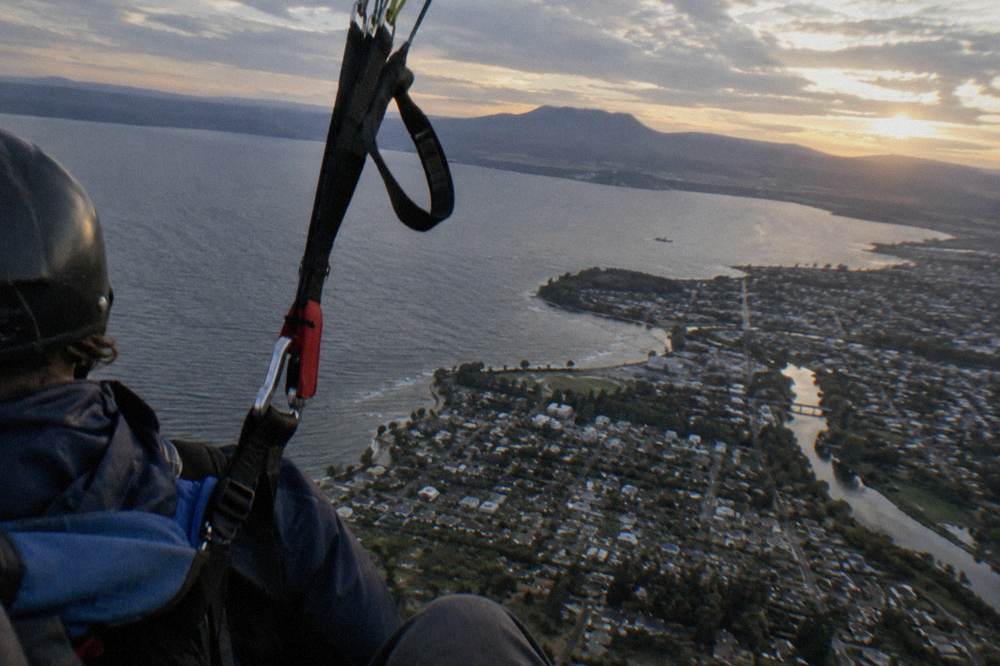
What Trips People Up After A Skydive
The mistakes are almost all scheduling ones: booking a packed afternoon straight after a jump, skipping food, driving long distances while shaky, booking a late flight out the same day, and expecting the camera footage on the spot. Each one collides with a comedown the jumper did not plan for. Knowing the pattern in advance removes most of the friction.
Camera packages run from NZD 25 up to NZD 300, with 10% off when booked online, and the media is emailed to you as a link.
The first trip-up is the optimistic itinerary. People book a 10am jump and a 1pm something-else, forgetting that the operator itself says to allow 2 to 3 hours and that the afternoon afterwards is commonly low-energy. The fix is boring and effective: nothing rigid after the jump. The second is food. The reported hunger after landing is real for many people, and a town full of cafes ten minutes from the drop zone makes ignoring it entirely a choice.
The third is travel. If a long drive or a tight flight out of the region is booked for the same afternoon, the tiredness that commonly lands later in the day turns a pleasant trip into a slog. The fourth is the media misunderstanding: the operator emails camera footage as a link, so waiting at the drop zone for it just eats into the recovery afternoon. Go, eat, and let the email find you.
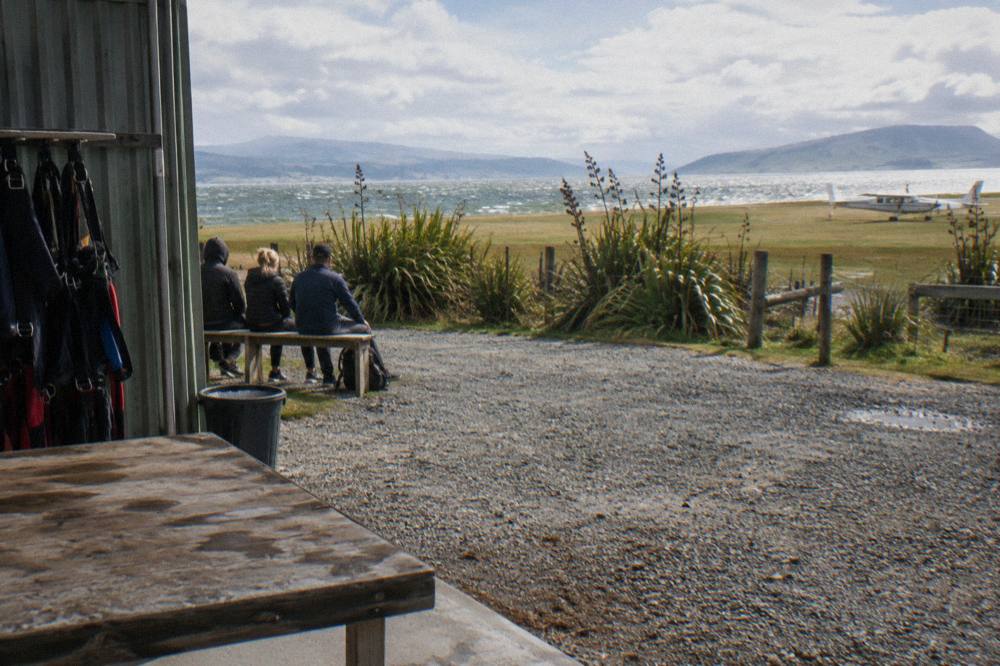
The fifth is subtler: treating the emotional wobble as a problem. Some jumpers report feeling flat or tearful the evening after an enormous high and read it as something having gone wrong. Within the common pattern, it is simply the height of the high being paid back. If it lasts, that is what doctors are for, and saying so plainly is more useful than pretending the wobble never happens. For the full shape of the day from arrival to landing, what to expect from a Taupo skydive covers the ground this page skips.
That covers the comedown, the timeline, the planning and the escape hatches. If the question is now less whether and more which, these are the three Taupo options again.
The 12,000ft Tandem Skydive is the tour with printed figures, rated 5.0 across 457 reviews, from US$194, with free cancellation up to 24 hours before. The 15,000ft Tandem Skydive trades up to almost 60 seconds of freefall. The Helicopter Flight, 15,000ft Skydive combo adds a 12-minute helicopter flight and, per the booking page, photos and videos, from NZ$599 per person with a minimum of two passengers. Whichever you choose, plan for the weird part; it is the bit people end up talking about almost as much as the jump.
Common Questions About Feeling Weird After Skydiving
Why Do I Feel Weird After Skydiving?
Most jumpers who report a weird feeling describe the comedown from a large adrenaline surge: shaky hands, hollow legs, unusual tiredness and emotions that swing without warning. It is one of the most commonly reported parts of the experience and for most people it passes on its own within a day.
How Long Does The Post-Skydive Feeling Last?
By the common account, the shakiness fades within a few hours, the tiredness sleeps off in a night, and any emotional wobble settles within a day or two. If symptoms persist well beyond that, see a doctor rather than putting it down to the jump.
Is It Normal To Feel Tired The Day After A Skydive?
Tiredness on the day and into the following morning is frequently reported, and many jumpers describe unusually deep or unusually restless sleep the first night. A single recovery day is within the common pattern; ongoing exhaustion is not, and warrants a medical check.
Can I Drive After Skydiving?
The drop zone is about a 10 minute drive from Taupo town, and free transport within Taupo is offered by the operator, so many jumpers do not need to drive at all. If you do, eat first, wait for the shakiness to pass and keep the drive short; a long road trip on the same afternoon is the thing commonly regretted.
Why Do I Feel Emotional Or Teary After A Jump?
Big experiences produce big after-effects, and sudden tears or laughter after landing are commonly reported, especially when the jump marks a milestone. It usually fades within a day or two. If low mood or anxiety lasts beyond that, talk to a doctor.
When Should I See A Doctor After Skydiving?
See a doctor for persistent dizziness, chest pain, breathlessness, repeated fainting, ongoing headaches, or emotional after-effects that deepen instead of fading over a few days. This page offers general, hedged reporting only, no medical advice, and a clinician is the right address for anything outside the ordinary comedown pattern.