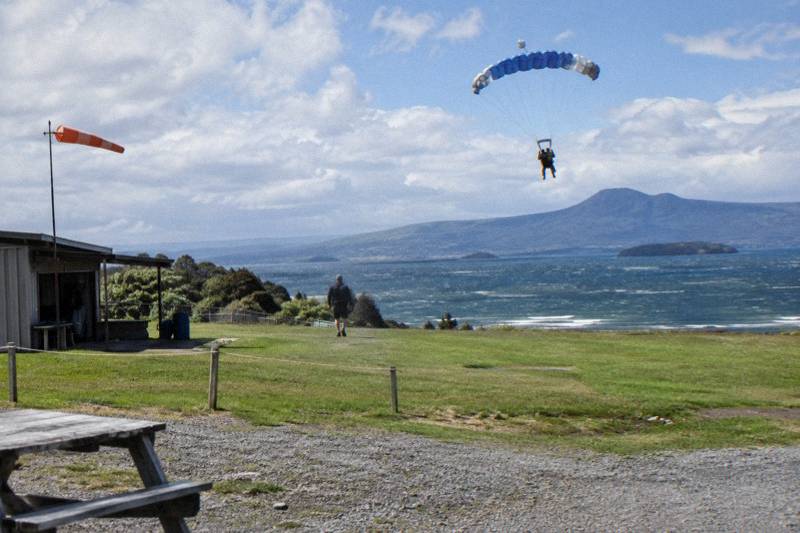
Is Skydiving Safe For Heart Patients?
A plain-English look at what the Taupo skydive operator actually says about heart conditions, medical clearance, weight checks and jumping safely with a cardiac history.
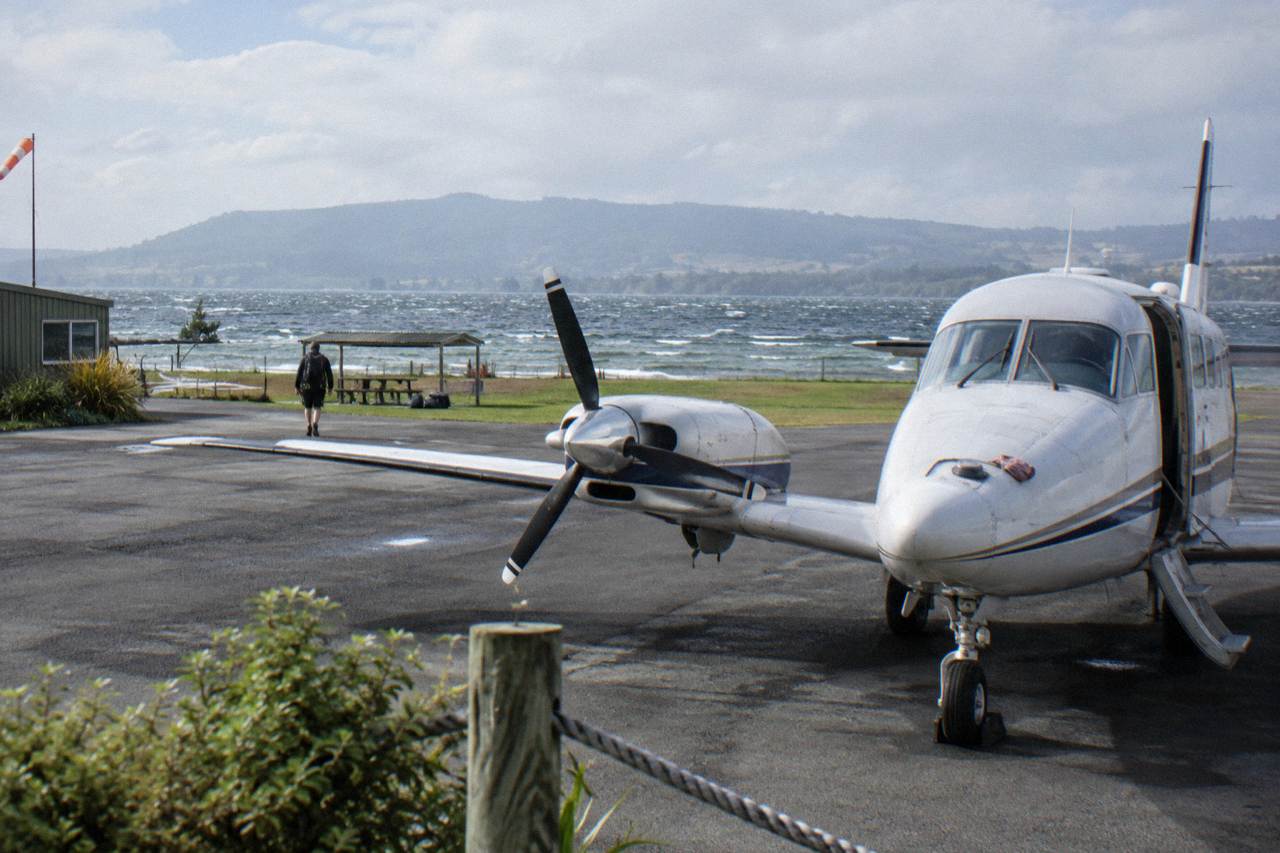
No honest answer to this question comes from a skydive company, a travel site or a blog post. It comes from your own doctor, who knows your diagnosis, your medication and your history. The Taupo operator states its position plainly: see a doctor first, and the operator may decline a jump for safety reasons. It prints no cardiac rule, no banned-diagnosis list and no blanket yes or no. What follows sets out what the operator does state, how its other checks interact with a heart condition, and exactly what to ask your doctor and the drop zone before you spend money.
People arrive at this question from two directions. Some have a diagnosed condition, a stent or a rhythm problem, and want to know whether the door is closed. Others had a cardiac event years ago, feel fine, and simply do not know whether anyone will ask. Both groups deserve better than a cheerleading "anyone can jump" or a defensive "ask a professional" that ends the conversation. The honest middle ground is that the operator has built its rules around individual assessment rather than exclusion lists, and that your preparation, not the operator's policy, is what makes the decision safe.
This page deals with the Taupo drop zone specifically, because that is where the verified facts sit. If you are jumping elsewhere in New Zealand, other operators run their own assessments and their own pages. The general principle transfers; the details may not.
What The Operator Actually Says About Health
The operator's stated health rules are short and specific: you must see a doctor before jumping, scuba diving is not allowed within 24 hours, drugs and alcohol are prohibited, and you must bring government photo ID. Beyond those four points, the operator offers little else in the way of stated health requirements. Beyond that, the operator says it may decline any jump for safety reasons, and it does not publish a condition-by-condition list covering cardiac, eye, pregnancy or medication questions. In other words, there is no printed rule that a heart patient can read and clear themselves against. The stated path is a conversation with a doctor and, where useful, a call to the office on 0800 826 336.
That absence of a cardiac rule is deliberate, not an oversight. Cardiac conditions range from a repaired valve with no symptoms to uncontrolled heart failure, and no drop zone can write one sentence that covers both. Individual assessment is the honest instrument. The operator's FAQ frames it as advice to see a doctor first; the terms and conditions add that the operator may decline a jump for safety. Neither page names a single disqualifying condition.
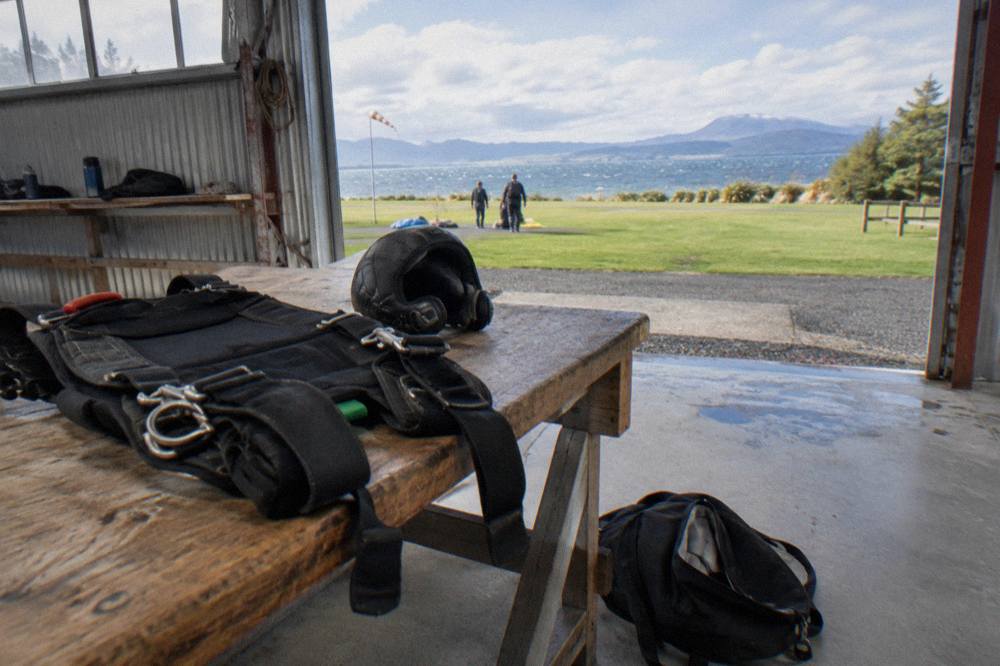
For a heart patient, this means the practical gate sits before the drop zone, not at it. You clear yourself with your doctor, you declare honestly when asked on the day, and the operator's Safety Officer makes the final call with the information in front of them. What you cannot do is find a technicality. There is no line in the terms that says heart patients are fine, and none that says they are banned.
| Topic | What The Operator States | What Is Not Stated |
|---|---|---|
| Doctor visit | See a doctor before jumping | No specified form or letter requirement stated |
| Declining a jump | The operator may decline for safety | No list of declining reasons stated |
| Heart conditions | No rule stated | Ask the operator, phone 0800 826 336 |
| Scuba diving | None within 24 hours before the jump | No exceptions stated |
| Drugs and alcohol | Not permitted | No timing window stated |
| Identification | Government photo ID required | Which documents count is not itemised |
Booking still works the ordinary way while you do this homework. The three Taupo options are the 12,000ft Tandem Skydive, the 15,000ft Tandem Skydive and the Helicopter Flight, 15,000ft Skydive combo.
What To Ask Your Doctor Before Booking
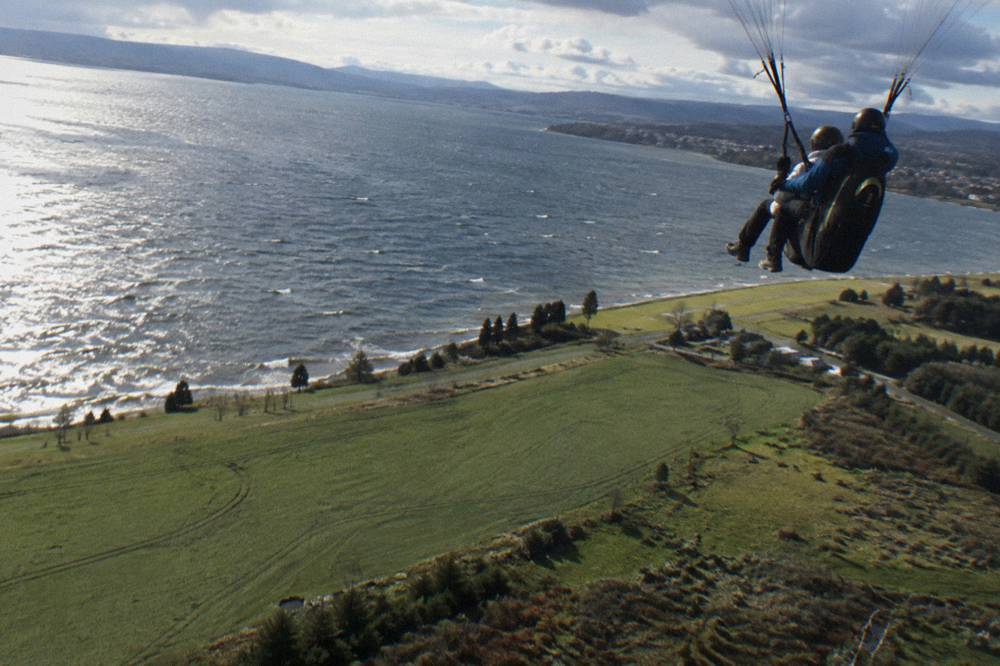
It helps to describe the jump accurately to a doctor who has never seen one. You are harnessed to a tandem master, you exit the aircraft in a fixed arched position, you freefall for up to roughly a minute depending on altitude, the parachute opens with a deceleration you feel across the chest and shoulders through the harness, and you descend under canopy for several minutes before landing, sometimes on your backside with your legs raised. Adrenaline runs high from sign-in onward. None of this is extreme athletics, but none of it is a chairlift either.
| Question For Your Doctor | Why It Matters |
|---|---|
| Is an intense adrenaline response safe for my condition? | Anticipation and exit spike heart rate before any physical force |
| Can my body take harness pressure and an opening shock? | The parachute opening loads the chest and shoulder straps |
| Is a controlled fall or slide landing acceptable? | Landings are not guaranteed to be standing |
| Do my medications change any of this? | The operator states no medication rules; your doctor owns this |
| What symptoms on the day mean I should stand down? | Gives you a personal tripwire, weather and nerves aside |
One practical note: ask whether anything should be written down. The operator does not state that a doctor's letter is required, but carrying a short note of your clearance and your medication list costs nothing and answers the honest question a Safety Officer may ask. If your doctor hesitates or gives conditional answers, take that hesitation to the operator's office before booking rather than after, so the assessment happens with full information.
Why Weight And Mobility Checks Matter Too
Heart patients tend to focus only on the cardiac question, yet the drop zone's other stated checks, weight and mobility, can decide the day just as firmly. Clearing the cardiac screening counts for little if either of those two requirements still stands in your way. The operator says weight limits come from equipment limits combined with body shape and mobility, that anyone up to and over 100 kg is assessed individually by the Safety Officer, and that you should contact the office on 0800 826 336 if you weigh over 100 kg. No fixed maximum and no surcharge are stated, and there is no per-altitude weight limit. These checks are about harness fit, harness load and the physical ability to lift your legs for landing, and they apply whatever your cardiac status.
The mobility part deserves emphasis for anyone whose heart history has reduced exercise tolerance. Tandem landing technique usually means lifting your legs so the tandem master's feet touch first, and holding that position through touchdown. If your legs, hips or shoulders cannot manage that, the Safety Officer needs to know in advance so the landing can be planned differently. This is an ordinary part of drop zone life, not an embarrassment, and it interacts with your doctor's answer about landing forces.
The rules differ slightly by product. The Helicopter Flight, 15,000ft Skydive combo's booking page separately says it is not suitable for anyone over 136 kg (300 lb); that limit belongs to the combo alone, and the skydive-only tours have no stated maximum weight. If you are comparing options, that distinction matters more than it first appears, because a heart patient who is also over 100 kg has two individual-assessment conversations ahead, one medical and one operational, and it is far better to have both before money changes hands. The Taupo skydive weight limit guide works through the stated figures in detail.
How The Day Unfolds And Where The Real Strain Sits
For most jumpers the hardest part of the day is the wait, not the jump: you sign in 30 minutes before your booked time, gear up, receive a briefing, fly to altitude and jump, with the operator stating the skydive portion runs about 30 minutes and the whole experience finishes in about 2 hours. For a heart patient, that timeline matters because the adrenaline arrives at check-in and stays with you through the climb, long before the door opens. Anyone whose condition is sensitive to sustained anxiety rather than brief spikes should raise exactly that with their doctor.
The stated rhythm of the day, from the operator's own pages, looks like this:
- Arrive 30 minutes before your booked time to sign in.
- Call 30 minutes before arrival or pickup to confirm the weather.
- Gear up in a supplied jumpsuit, goggles, hat and neck buff; glasses fit under the goggles.
- Briefing with your tandem master, then the flight to altitude.
- The jump itself, with freefall of almost 40 seconds at 12,000 ft or almost 60 seconds at 15,000 ft as the operator describes those heights.
- Payment is taken after the jump, and a weather hold means rebooking the same day or a later day, or cancelling free if you cannot return.

Note the weather line, because it interacts with medication timing in a way worth thinking about. If you take medication on a schedule and the jump slips two hours, or moves to the next day, your dosing plan and your adrenaline plan both shift. The operator's rebooking terms are generous by design, a hold means rebook or cancel free if you cannot come back, but nobody at the drop zone can advise you on beta blockers or diuretics. That adjustment belongs on your doctor question list from the previous section, not in a decision made at the airfield.
Payment after the jump and the 24-hour free-cancellation policy on the 12,000ft Tandem Skydive both reduce the financial risk of a medical conversation that goes the wrong way late. But cancellation terms are a fallback, not a plan. The plan is the doctor's letter, the phone call to the office, and an honest declaration on the day. Taupo Tandem Skydive publishes its health and check-in rules openly precisely so that jumpers can prepare rather than gamble.

Scuba, Alcohol, ID And The Other Stated Rules
Alongside the medical advice, there are three stated rules you need to know before your jump: scuba diving is not allowed within 24 hours of your skydive, drugs and alcohol are prohibited, and you must present government photo ID on the day itself. The scuba rule is the one travellers trip over most often, because Lake Taupo and the surrounding region tempt people into stacking activities. The operator treats scuba and skydiving as a 24-hour separation, full stop, and states no exceptions; the alcohol and drugs rule stands separately and is not a variation on it.
The photo ID requirement is straightforward but catches international visitors who leave passports in hotel safes. Government-issued means a passport or a driving licence that actually is a government document; a gym card does not qualify, and a photocard from outside New Zealand is generally fine if it is genuine. Bring the original, not an image on a phone screen, because the check happens at sign-in at 1227 Anzac Memorial Drive, Taupo Airport, and a missing ID can end the day before it starts.

What the operator does not state is any rule on medication generally, caffeine, energy drinks or fasting before a jump. Those gaps belong to your doctor, not to an internet search. If you want a grounded look at eating before a jump, the eating and drinking before a Taupo skydive guide covers what is and is not stated, and the broader medical conditions page for this drop zone gathers every health-related rule in one place. Neither replaces the phone call, and neither is meant to.
What Trips Heart Patients Up When Booking
Three mistakes catch heart patients out at booking: they secure the trip before having the medical conversation, they hide their condition at sign-in, and they assume the cardiac question is the only gate to clear. Weight and mobility assessments can decide the day separately, so a clean heart answer alone does not settle the outcome. Each of these turns a manageable situation into a wasted trip or a refund request. The fix is sequencing: doctor first, phone call to the office second, booking third.
The hiding problem deserves a blunt sentence. Some jumpers reason that a quiet condition nobody notices cannot matter, and that declaring it invites a refusal. In practice the operator works from individual assessment, and a declared, doctor-cleared condition is workable in a way an undisclosed one never is. The Safety Officer's job on the day is to make a sound call with the facts available; the facts are only as good as what you give them. The first time skydiving in Taupo guide walks through what gets asked and when, which helps you see where honesty fits into the flow of the day.

The third mistake is subtler. A heart patient clears the medical question, books the 15,000ft Tandem Skydive or the combo, and only then discovers the helicopter combo's separate 136 kg booking-page limit, or that a reduced-tolerance body cannot manage the landing position the briefing assumes. Every one of those discoveries was free to make before booking and costly after. The 24-hour free cancellation on the 12,000ft Tandem Skydive softens the blow, and that tour is also the only one of the three with printed figures, 5.0 across 457 reviews, from US$194 and a 2-hour duration, but cancellation is a net, not a strategy.
Between the two skydive-only altitudes, the choice is about freefall seconds and price. The operator's own ladder prices 12,000 ft at NZD 329 and 15,000 ft at NZD 379, with freefall the operator describes as almost 40 seconds and almost 60 seconds respectively. Neither altitude carries a stated medical difference: the extra altitude adds freefall time, not medical risk that the operator quantifies, and no per-altitude health rule exists on any of its pages. Any cardiac weighting between the two belongs, once again, to your doctor rather than to a booking page.
Common Questions About Skydiving With A Heart Condition
Is Skydiving Safe For Heart Patients?
There is no blanket answer, and the Taupo operator publishes no cardiac rule. It says to see a doctor first and that it may decline a jump for safety. Safety for any individual heart patient is a question for their own doctor, who knows the diagnosis and medication, followed by a declaration to the drop zone.
Will The Drop Zone Ask About My Heart Condition?
The operator works through individual assessment, and its stated rules include seeing a doctor first and the operator's right to decline a jump for safety. It publishes no condition-by-condition checklist. Declare your history honestly at sign-in and call the office on 0800 826 336 in advance if you want the conversation early.
Do I Need A Doctor's Letter To Skydive In Taupo?
The operator does not state that a letter is required. It states only "see a doctor first". Carrying a short note of your clearance and medication list is a reasonable precaution, but the stated requirement stops at the doctor visit, government photo ID, no scuba within 24 hours and no drugs or alcohol.
Does Altitude Choice Change The Medical Risk?
The operator states no per-altitude health rule of any kind. The difference between 12,000 ft and 15,000 ft, as it describes them, is freefall length, almost 40 seconds versus almost 60 seconds, and price, NZD 329 versus NZD 379. Any medical weighting between altitudes is a question for your doctor.
Can I Jump If I Am Over 100 Kg As Well?
Yes, potentially, but the operator states that anyone up to and over 100 kg is assessed individually by the Safety Officer, so contact the office first on 0800 826 336. No fixed maximum and no surcharge are stated for the skydive-only tours. The helicopter combo's booking page separately says it is not suitable over 136 kg (300 lb).
What Happens If I Feel Unwell On The Day?
Tell the staff before you gear up. The operator may decline a jump for safety, and payment is taken after the jump. If the cause is weather rather than health, a hold means rebooking the same day or a later day, or cancelling free if you cannot return, with prepaid weather cancellations refunded through the operator if you prepaid direct, otherwise through the booking agent.