Taupo Skydive Health Conditions: Medical Questions Before You Book
The Taupo operator keeps its medical screening simple: see a doctor first, bring photo ID, stay off scuba for 24 hours and let the Safety Officer assess anything over 100 kg. Here is exactly what is stated, what is not, and who to phone.
Short answer
The operator states four medical rules plainly: see a doctor before you jump, no scuba diving within 24 hours, no drugs or alcohol, and government photo ID is required. Weight over 100 kg is assessed individually by the Safety Officer. There is no condition-by-condition list: cardiac, eye, pregnancy and medication questions go to the operator on 0800 826 336.
For the wider picture of jumping here, start with the complete guide to skydiving in Taupo; this page stays on the health and eligibility questions that decide whether you can book at all.
| Quick fact | What the operator states |
|---|---|
| Medical advice | See a doctor first if you have any health concern |
| Operator's right | May decline a jump for safety |
| Scuba diving | Not allowed within 24 hours before a jump |
| Drugs and alcohol | Not allowed |
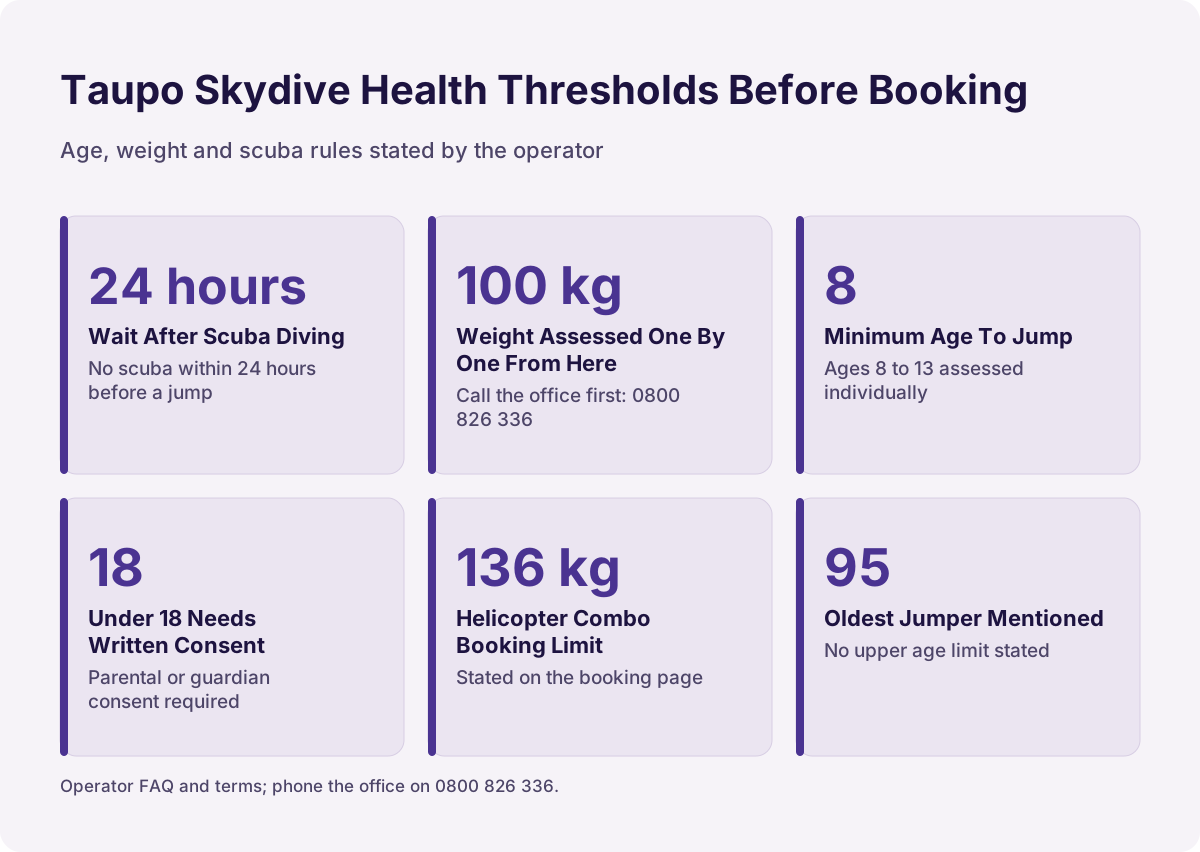
| Weight guidance | 100 kg and over assessed individually by the Safety Officer |
| Minimum age | 8, with under 18 needing written guardian consent |
| Upper age limit | None stated; the operator mentions a 95-year-old jumper |
| Photo ID | Government photo ID required |
| Phone | 0800 826 336 |
What Health Rules Does The Taupo Operator Actually State?
The operator's medical position is four stated rules plus one reserved right: see a doctor before jumping, leave 24 hours after scuba diving, arrive free of drugs and alcohol, carry government photo ID, and accept that the operator may decline a jump on safety grounds. No published list of banned conditions exists, so every individual medical question routes through your doctor and the operator's office.
That brevity is deliberate rather than careless. Tandem skydiving operators in New Zealand assess passengers individually because a blanket rule would exclude people who can safely jump and pass people who cannot. The Taupo operator's own pages put the responsibility in two places: your doctor, who knows your history, and the Safety Officer at the drop zone, who sees you on the day. The operator says it is governed by the Civil Aviation Authority, which it says has certified its Safety Management System, and that its tandem masters are tested by the NZ Parachute Industry Association. Those statements are the operator's own. More on the safety framework sits in is skydiving in Taupo safe.
The practical consequence for you is a two-step process. First, before money changes hands, raise any real health question with your doctor: the operator explicitly tells jumpers to do this. Second, phone the office on 0800 826 336 with whatever your doctor says, because the operator may decline a jump for safety reasons and it is far better to learn that on the phone than at check-in. Payment is taken after the jump, which softens the risk on the day itself, but the booking page still needs a slot held in advance.
What the operator does not publish matters just as much. There is no cardiac rule, no eye-sight standard, no pregnancy clause and no medication list on any of its official pages. A reader searching for a yes or no on a specific condition will not find one, and should not trust any third-party page that invents one. The honest answer to every condition-specific question is the same: not stated, ask the operator and your doctor. For the rules around flying and ears, or anything else labelled "not stated" on this site, the phone number is the gate.
Which Medical Conditions Need A Doctor's Sign-Off?
Any condition affecting your heart, lungs, balance, spine, neck, ears, sinuses, blood pressure or bones is worth a doctor's visit before booking, because the operator tells every jumper with a health question to see a doctor first and reserves the right to decline. Nothing condition-specific is published, so no webpage can hand you a verdict. Your doctor and the office on 0800 826 336 are the only answers that count.
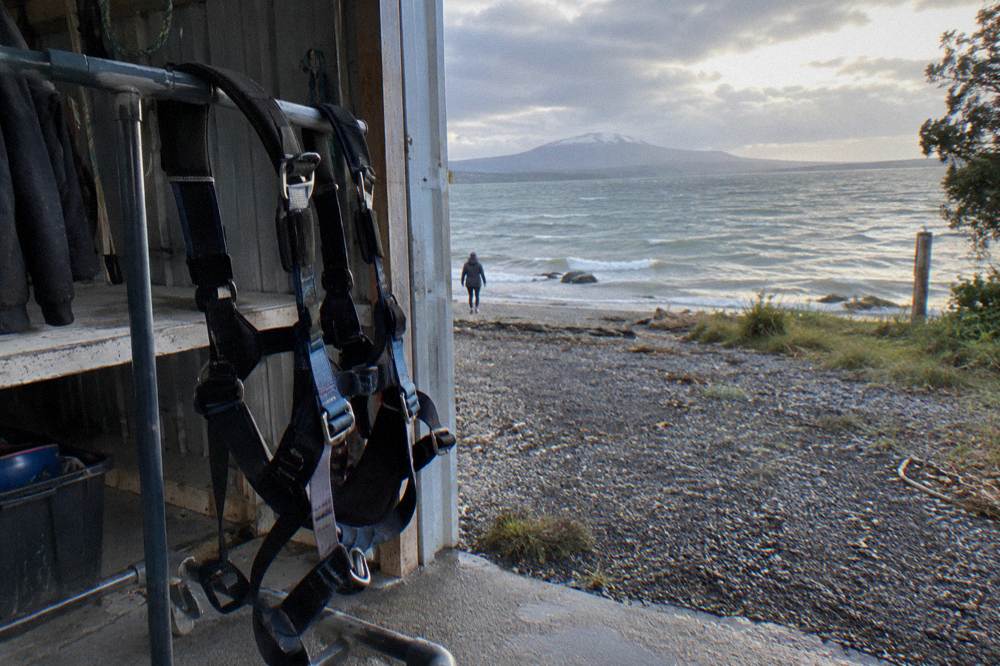
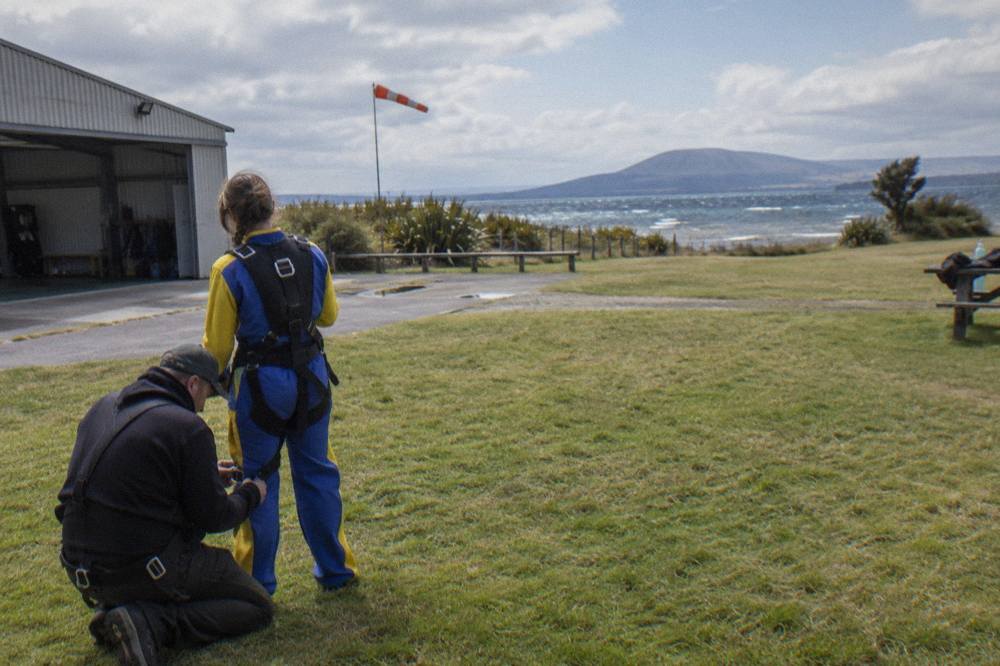
The physics explains why the question is worth taking seriously even though tandem skydiving is engineered to be gentle. Opening a parachute decelerates the body firmly, and the harness carries that load across the shoulders and hips. The operator supplies the jumpsuit, goggles, hat and neck buff, and glasses fit under the supplied goggles, but the harness fit itself depends on body shape and mobility, which is exactly why weight and mobility are assessed in person rather than by chart.
Three groups commonly ask, and each gets the same honest reply. Heart patients, people with asthma or breathing concerns, and anyone recovering from surgery are not named anywhere on the operator's pages: the stated rule is simply to see a doctor first. Some general health questions around skydiving are discussed in who is not allowed to skydive in plain terms, but for Taupo the operator's answer to each case is individual assessment, not a published rule. If a doctor clears you, phone the office next; the operator may still decline for reasons of safety on the day.
While you wait for that doctor's appointment, the three bookable tandem options here are worth comparing, since the medical framework above applies to all of them and only the details differ.
The choice between a 12,000ft Tandem Skydive, a 15,000ft Tandem Skydive and the Helicopter Flight, 15,000ft Skydive combo does not change the medical rules one bit: the same operator runs the skydive for all three, and the same Safety Officer assesses the same body on the same harness. What differs is the extras, and one of those extras, the helicopter combo's 136 kg booking-page limit, is covered further down this page.
How Do Weight, Age And Mobility Assessment Work?
Weight is assessed, not capped: the operator states that limits come from equipment plus body shape and mobility, that jumpers at 100 kg and over are assessed individually by the Safety Officer, and that anyone over 100 kg should contact the office first. Age runs from 8 upward with no upper limit; the oldest jumper the operator mentions is 95. Under 18 needs written guardian consent, and under 14 is individually assessed.
The weight wording deserves a careful read because it is easy to misquote. There is no fixed maximum weight and no published surcharge: none is stated, and inventing either would mislead a heavier reader into self-rejecting a jump that the Safety Officer might happily clear. The stated path is a phone call to 0800 826 336 before booking, then an in-person assessment at the drop zone. Body shape and mobility matter as much as the number on the scale, because the harness must fit safely around both jumpers in the pair. Heavier readers may find the broader discussion in can a 300lb person skydive useful context, though for Taupo the operator's own assessment is the only verdict.
| Age or weight situation | What the operator states | Where it is stated |
|---|---|---|
| Age 8 to 13 | Individually assessed; must be accompanied in the plane by a known adult who pays for a skydive | Operator FAQ and terms |
| Age under 18 | Written parental or guardian consent required | Operator FAQ and terms |
| 16,500 ft jumps | Ages 14 and over only; high-altitude waiver signed at the drop zone | Operator terms |
| Any age above | No upper limit stated; operator mentions a 95-year-old jumper | Operator FAQ |
| 100 kg and over | Assessed individually by the Safety Officer; contact the office first | Operator FAQ and terms |
| Fixed maximum weight | Not stated; none published | Not stated, ask the operator |
Mobility sits inside the weight rule rather than beside it. The operator's stated criteria are "equipment plus body shape and mobility", which means the assessment covers whether you can lift your legs for landing, brace in the door and be lifted if needed, not just what you weigh. If any of that is uncertain for you, say so on the phone before booking; the operator would rather answer a direct question than discover a problem at the aircraft. Families weighing up the age side of this can read the family-focused detail in skydive Taupo with teenagers and families, and the age rules are laid out fully in the Taupo skydive age limit guide.
Once weight and age questions are answered, the choice of altitude becomes a preference question rather than a medical one. The 12,000ft Tandem Skydive is the tour with the printed figures: rated 5.0 across 457 reviews, from US$194, a 2 hour duration and free cancellation up to 24 hours before. Those numbers belong to that tour alone; the 15,000ft Tandem Skydive carries no printed rating, price or duration, so comparing the two on anything other than altitude is not possible from published figures.
A few practical steps make the stated path easier. Know your current weight honestly before dialling 0800 826 336, and be ready to describe how you manage the three tasks the operator's criteria point to: lifting your legs for landing, bracing in the door, and being lifted if needed. Rounding your weight down on the call gains nothing, because the in-person assessment at the drop zone follows anyway and the Safety Officer's verdict there is the one that counts. Anyone booking for a group should volunteer each jumper's details at this stage, since the harness has to fit safely around both people in every tandem pair and a surprise at the aircraft helps nobody. If the operator's own assessment returns a no, that verdict is specific to Taupo's equipment and procedures, not a ruling on tandem skydiving anywhere else.
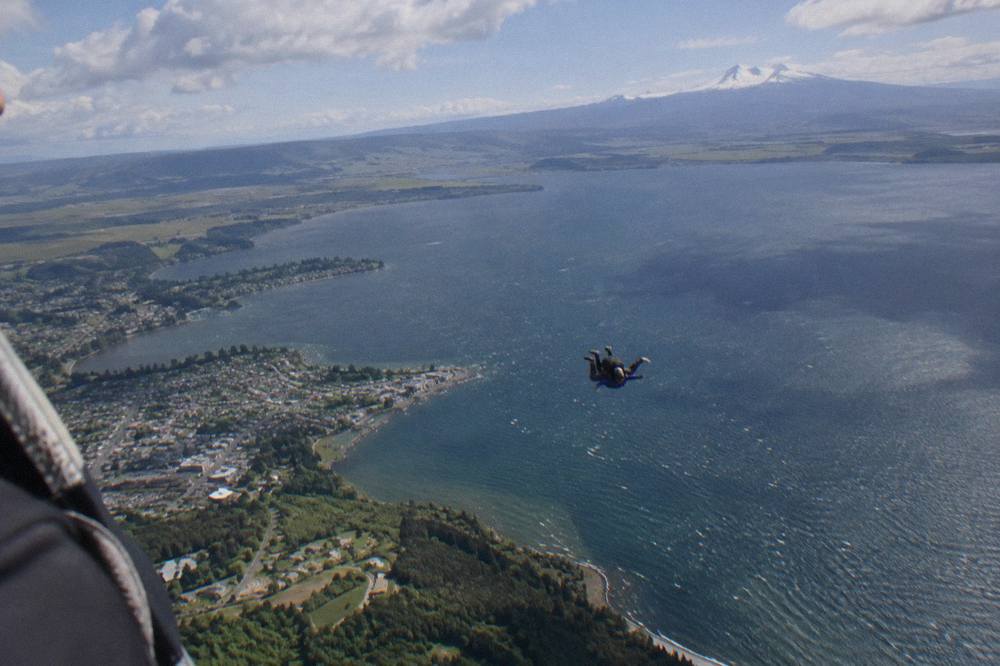
On the age side, planning falls into clear bands. A jumper aged 8 to 13 is individually assessed and must be accompanied in the plane by a known adult who pays for a skydive, so a family booking needs two places from the outset rather than one child plus a spectator on the ground. Anyone under 18 needs written parental or guardian consent, paperwork that is easiest completed before arrival day. The 16,500 ft jumps are reserved for ages 14 and over, with the high-altitude waiver signed at the drop zone, so a 13-year-old's realistic options this season are the lower altitudes, with the higher one arriving on their next birthday. Above 14 there is nothing to plan around: no upper limit exists, and the operator's mention of a 95-year-old jumper suggests enthusiasm matters more than birth year.
The printed figures give one clean anchor for budgeting. The 12,000ft Tandem Skydive is rated 5.0
Glasses, Medication, Scuba And Alcohol: The Specific Rules
Two rules are absolute: no scuba diving within 24 hours of a jump, and no drugs or alcohol. Glasses are explicitly fine, they fit under the supplied goggles, and the jumpsuit, hat and neck buff are all provided. Medication has no published rule at all, so any medication question goes to your doctor and the office on 0800 826 336. The scuba and alcohol rules are separate and must not be merged into one window.
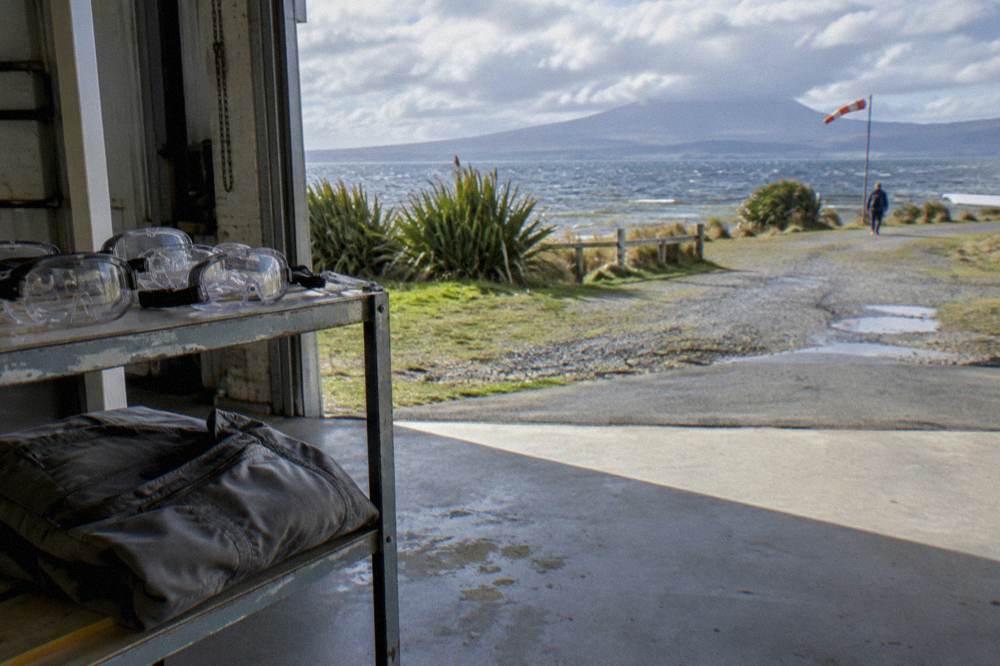
The scuba rule is the one people most often trip over, because a Lake Taupo itinerary can easily put a dive and a skydive in the same 48 hours. The operator's stated rule is scuba-free for a full 24 hours before your jump, a precaution about dissolved gas rather than fitness. Alcohol and drugs are the other stated prohibition, and it is a straightforward one: arrive sober. Both rules come from the operator's terms and FAQ rather than from the booking page, so quote them exactly if you are coordinating a group.
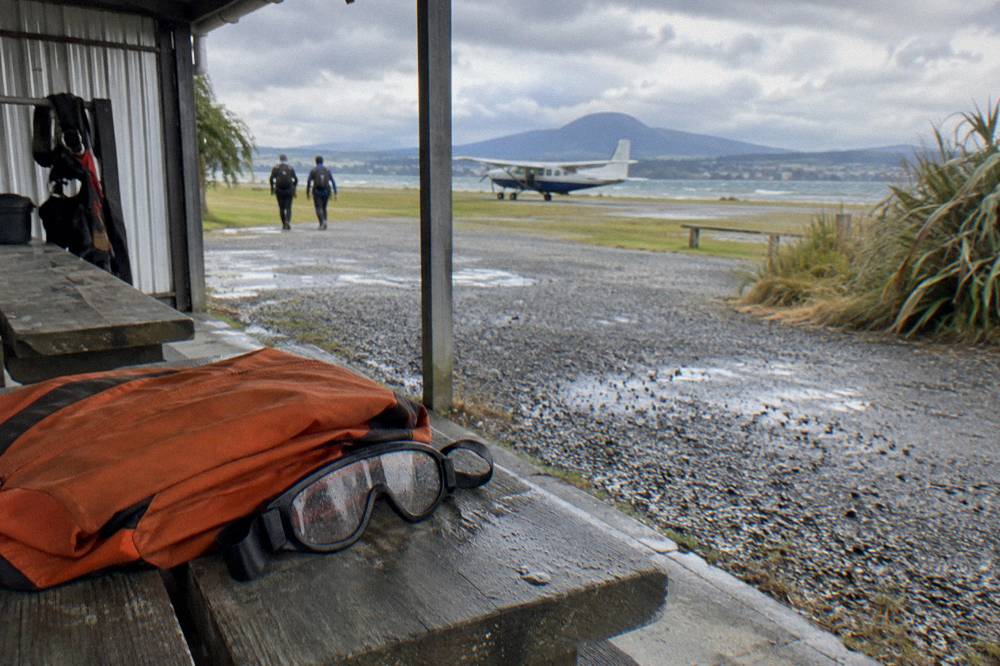
Glasses wearers get an explicit green light. The operator says glasses fit under the supplied goggles, which removes a question that stops some people from booking at all. Contact lens wearers and anyone with eye conditions beyond ordinary correction find nothing published: not stated, ask the operator. The same honesty applies to medication: blood thinners, insulin, inhalers and anxiety medication are all common skydive questions and none has a Taupo-specific published rule. The operator's standing advice, see a doctor first, covers each of them. Clothing questions have their own answers in what to wear skydiving in Taupo.
What About The Helicopter Combo And Health?
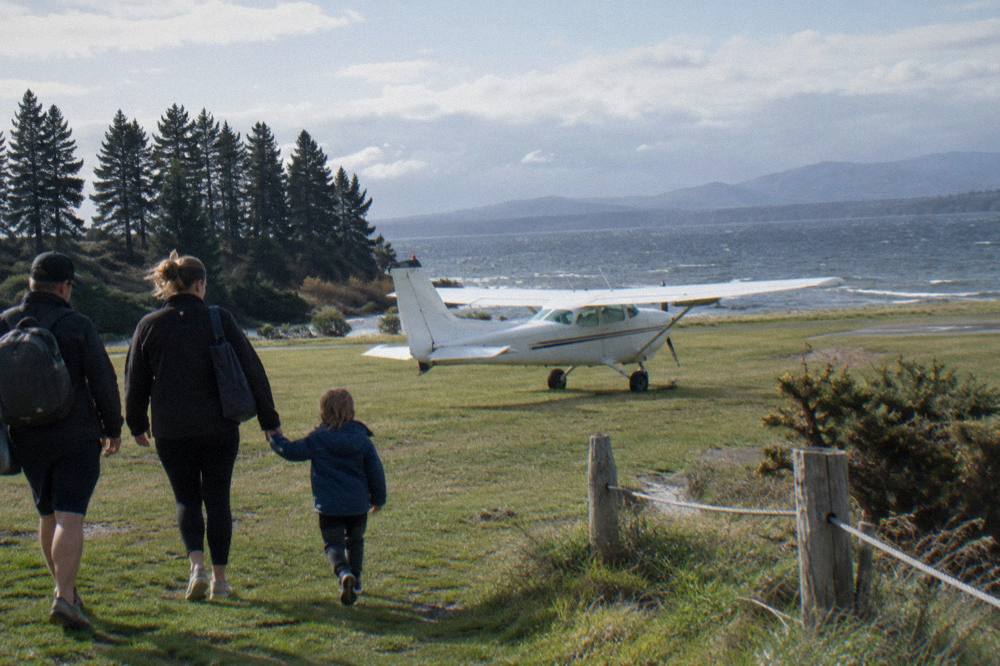
The Helicopter Flight, 15,000ft Skydive carries one extra eligibility line the skydive-only tours do not have: its booking page says it is not suitable over 136 kg, which is 300 lb. That limit belongs to the combo alone and must not be borrowed for the 12,000ft or 15,000ft tours, which have no stated maximum. The rest of the medical framework stays the same, because the same operator runs the jump.
The combo pairs a 12-minute helicopter flight with a 15,000 ft skydive, departs from the Huka Falls area at 415 Huka Falls Road, Wairakei per the booking page, and is priced by the operator from NZ$599 per person with a minimum of two passengers. Photos and videos are included per the booking page, and the operator offers a free exit photo. None of that changes the medical framework, but the 136 kg line does change the practical answer for heavier readers: if your weight is the reason you are reading a medical-conditions page, the combo is the one option with a printed ceiling.
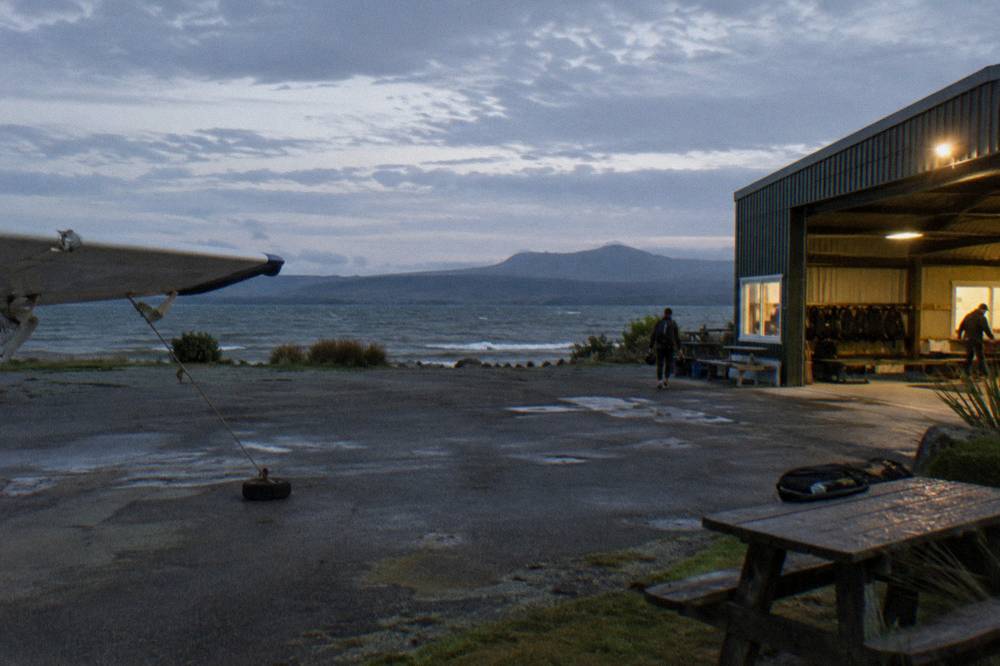
For readers under that ceiling, the combo is simply a different way into the same 15,000 ft jump, with up to 60 seconds of freefall per the operator. The helicopter portion is flown by a separate helicopter company, so any question specific to flying rather than skydiving goes to that side of the booking, while harness, weight-assessment and medical questions still land with the skydive operator. If in doubt about which company answers which question, ask at the time of booking and note the answer. The full combo detail sits in the Taupo heli and skydive combo guide.
| Question | 12,000ft and 15,000ft tours | Helicopter Flight, 15,000ft Skydive |
|---|---|---|
| Stated maximum weight | None stated; 100 kg and over assessed by the Safety Officer | Not suitable over 136 kg (300 lb) per the booking page |
| Doctor-first advice | Applies | Applies, same operator runs the jump |
| Scuba, alcohol, ID rules | Apply | Apply |
| Included media | Camera packages are paid add-ons | Photos and videos included per the booking page |
| Minimum group | None stated | 2 passengers per booking, operator price from NZ$599 each |
| Free cancellation | 24 hours on the 12,000ft tour | 24 hours per the booking page |
How Do You Ask The Operator Before You Book?
Phone the office on 0800 826 336, describe the condition exactly as your doctor described it, and write down the name of who answered. Email leaves a paper trail but the phone gets the Safety Officer question answered in one call. Ask three things: whether the condition is acceptable, whether your weight needs assessing first, and what documentation, a doctor's letter or consent form, is wanted on the day. Then book with the answer in hand rather than before it.
Timing matters more than people expect. The operator's day runs hourly trips from early morning, check-in is 30 minutes before your slot, and a medical surprise at check-in can cost the whole booking even though payment itself is taken after the jump. Calling days ahead gives the office time to check with the Safety Officer, and gives you time to gather a doctor's note if one is requested. A call also settles the under-18 consent form, the under-14 accompaniment rule and the 16,500 ft waiver question in one conversation instead of three. The booking side is covered in how to book a Taupo skydive.

If the answer is a clear yes, the 12,000ft Tandem Skydive is the natural first booking: it is the tour with the printed record, 5.0 across 457 reviews, from US$194, and free cancellation up to 24 hours before, which keeps a doctor's appointment delay from costing the slot. Readers planning the whole day around the jump can fold the call into the broader Taupo skydive day plan, and anyone still weighing whether the experience justifies the logistics can read is skydiving worth the price.
The 15,000ft Tandem Skydive is the same medical conversation with more altitude: the operator gives almost 60 seconds of freefall at 15,000 ft against almost 40 at 12,000 ft, but its booking page carries no printed rating, price or duration, so any pre-booking question, medical or otherwise, is best settled on that same phone call.
Common Mistakes When Booking With A Medical Condition
The four mistakes that cost people jumps are self-diagnosing instead of phoning, assuming the 136 kg combo limit applies to every tour, merging the scuba and alcohol rules into one vague window, and forgetting government photo ID on the day. Each one is avoidable with a single phone call and a packed bag. The operator may decline a jump for safety, and it can only assess what it is told.
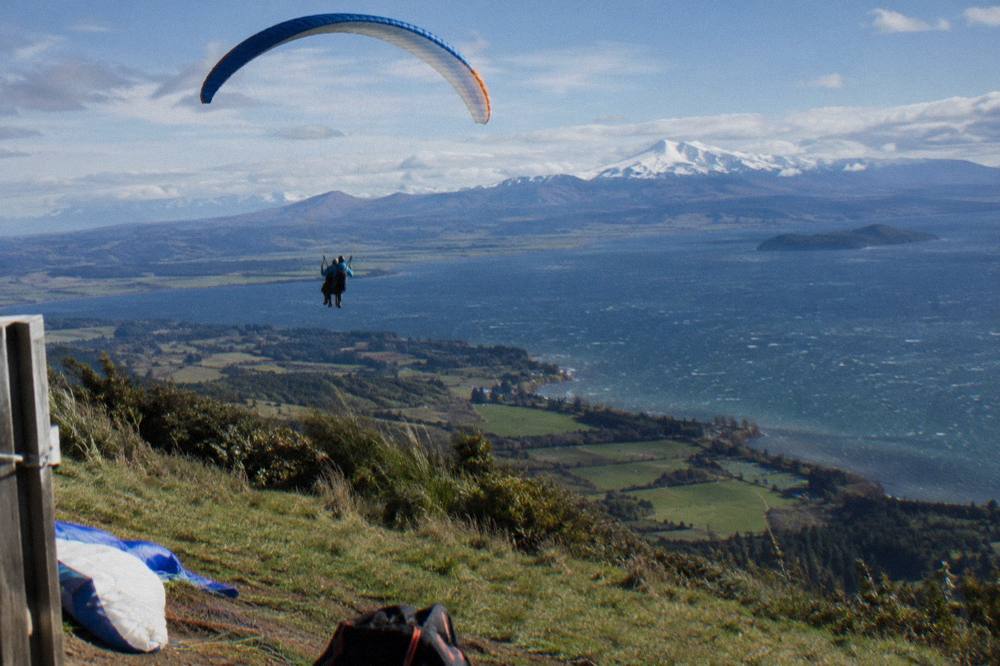
Self-diagnosis is the quiet one. A reader who assumes a heart condition, a back injury or a heavier build rules them out never tests the assumption, and the operator never gets the chance to assess it. The stated system is individual: doctor first, Safety Officer second, phone call in between. Related mistakes include booking the combo without reading its booking-page weight line, and planning a scuba dive and a jump inside 24 hours of each other. The ID requirement catches otherwise-ready jumpers too, because a government photo ID left at the hotel is a check-in problem no doctor's note fixes. For what the day itself holds after all this clears, the first time skydiving in Taupo guide walks through it step by step.
Common Questions About Skydive Medical Conditions
Can You Skydive In Taupo With A Heart Condition?
The operator publishes no rule on heart conditions. Its stated advice is to see a doctor first, and it may decline a jump for safety. Call the office on 0800 826 336 with your doctor's opinion before booking.
Is There A Weight Limit For The Taupo Skydive?
No fixed maximum is stated. Jumpers at 100 kg and over are assessed individually by the Safety Officer, and the office should be contacted first. The helicopter combo booking page separately says not suitable over 136 kg, 300 lb, and that limit applies to the combo only.
Can You Skydive After Scuba Diving?
Not within 24 hours. The operator states no scuba diving in the 24 hours before a jump. This is a separate rule from the no-alcohol and no-drugs rule, which stands on its own.
Can You Wear Glasses Or Contact Lenses Skydiving?
Glasses fit under the supplied goggles, per the operator. Contact lenses and other eye questions are not stated anywhere: ask the operator on 0800 826 336.
Can You Skydive While Pregnant In Taupo?
No pregnancy rule is published by the operator. There is no condition-by-condition list at all. The stated path is a doctor's advice first, then the operator's office before booking.
What Medical Checks Happen On The Day?
Bring government photo ID, arrive 30 minutes before the booked time to sign in, and expect the Safety Officer's assessment to cover harness fit, body shape and mobility, weight over 100 kg is assessed individually. Anything declared on the phone beforehand gets checked against you in person.