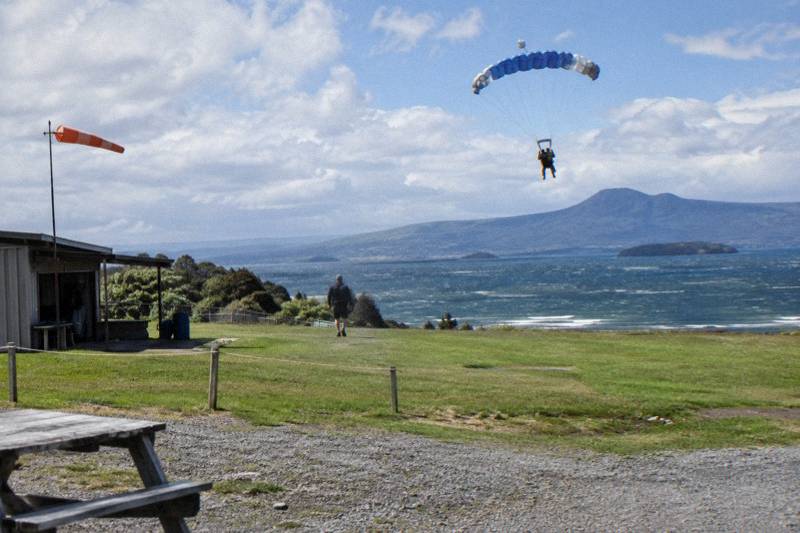
Is It Better To Wear Shorts Or Pants When Skydiving?
Practical answer on shorts versus pants for a tandem skydive, based on what the Taupo operator actually says about clothing, warmth and closed-toe shoes.
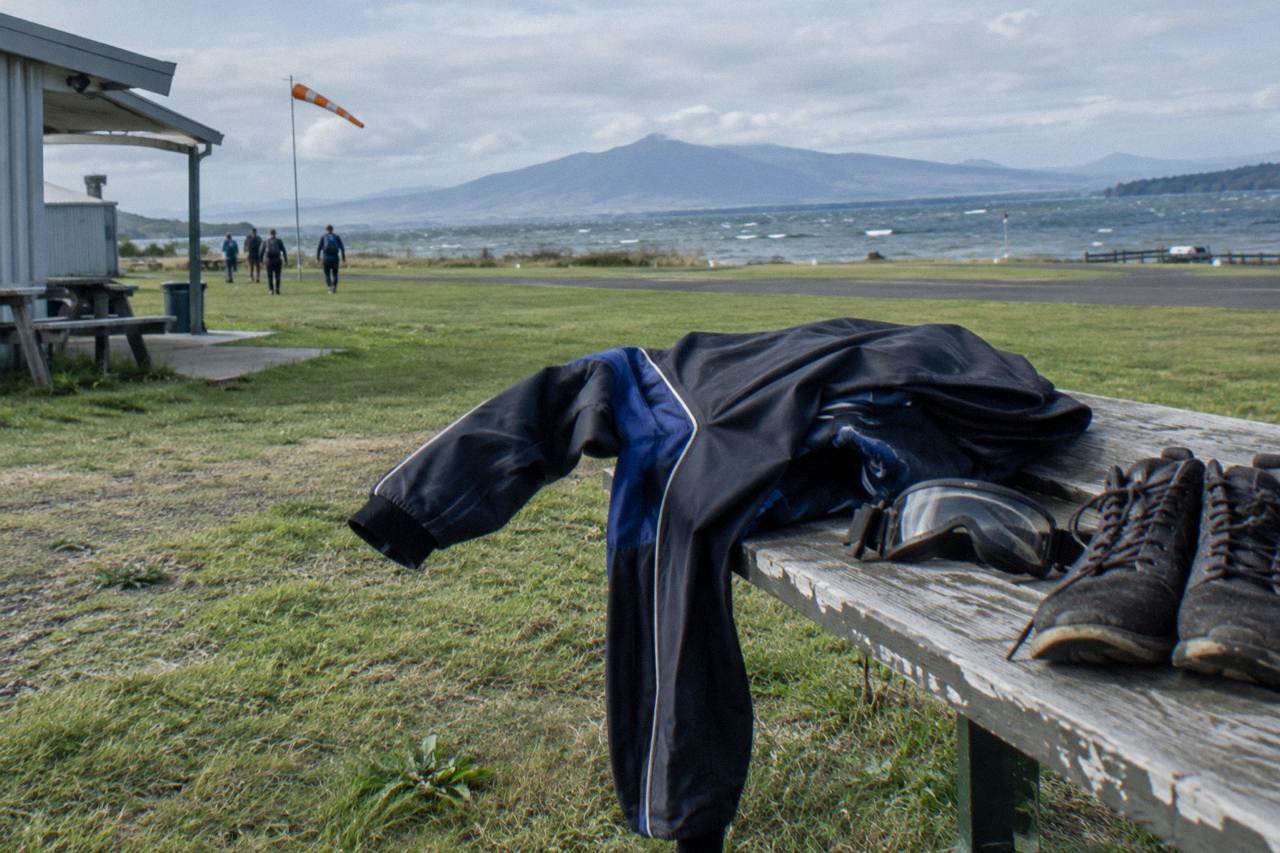
Clothing questions cluster around skydiving in a way few other activities manage, and the shorts-versus-pants question is one of the most common. The honest answer is that pants are the safer default for a tandem jump in New Zealand, because the one thing the Taupo operator explicitly asks for is warm, comfortable clothes, and long legs do that job better than bare skin on most days. Shorts are not banned, and nobody will turn you away in them, but the decision deserves a bit more thought than most people give it. What follows is the operator's own guidance, plus the practical logic that falls out of it.
Pants are the better choice for most jumpers on most days, since the operator only asks for warm, comfortable clothes and closed-toe shoes and supplies a jumpsuit, goggles, hat and neck buff. Shorts can work in the middle of a Taupo summer, but outside that window long legs are the safer bet for staying warm.
The first thing worth understanding is what you are actually dressing for. A tandem skydive is not a beach day compressed into two hours. The operator says the whole experience finishes in about 2 hours, with the skydive portion itself about 30 minutes, and the terms suggest allowing up to 3 hours. Most of that time is spent on the ground: signing in 30 minutes before your booked time, a briefing, waiting for your slot, gearing up. Trips run hourly from 9:00 to 16:00 in winter and 8:00 to 18:00 in summer, and the operator says it runs 362 days a year, which means plenty of jumpers are standing around at the drop zone in genuinely cool conditions.
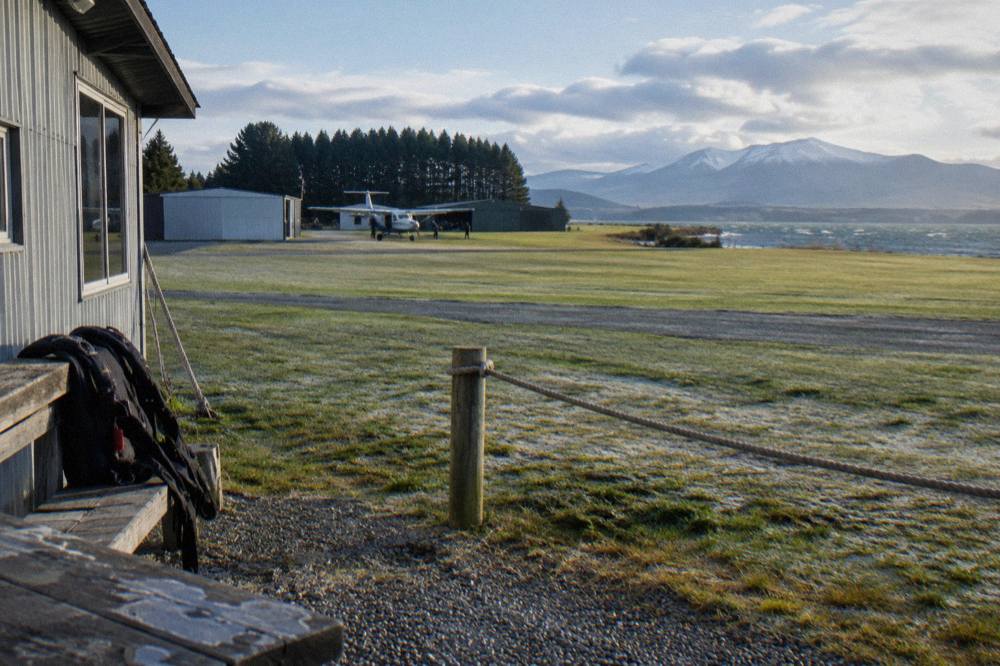
Then there is the plane. The climb to altitude is unheated in practice, and bare knees against cool air for the ride up to 12,000 ft or 15,000 ft is where shorts stop being convenient and start being uncomfortable. No temperature figures are stated by the operator, and none are needed: the direction to dress warm is itself the guidance, and pants satisfy it without any further debate.
If you are already weighing a jump, the three bookable Taupo options are worth a quick look side by side, since the clothing logic below applies to all of them.
What The Operator Actually Says About Clothing
The operator's guidance is brief and specific: a jumpsuit, goggles, hat and neck buff are supplied, and jumpers should wear warm, comfortable clothes and closed-toe shoes. There is no stated rule for or against shorts, pants or skirts, so the choice is left to you. Glasses fit under the supplied goggles, which removes one common clothing-adjacent worry. Anything beyond those statements is decision logic, not operator policy.
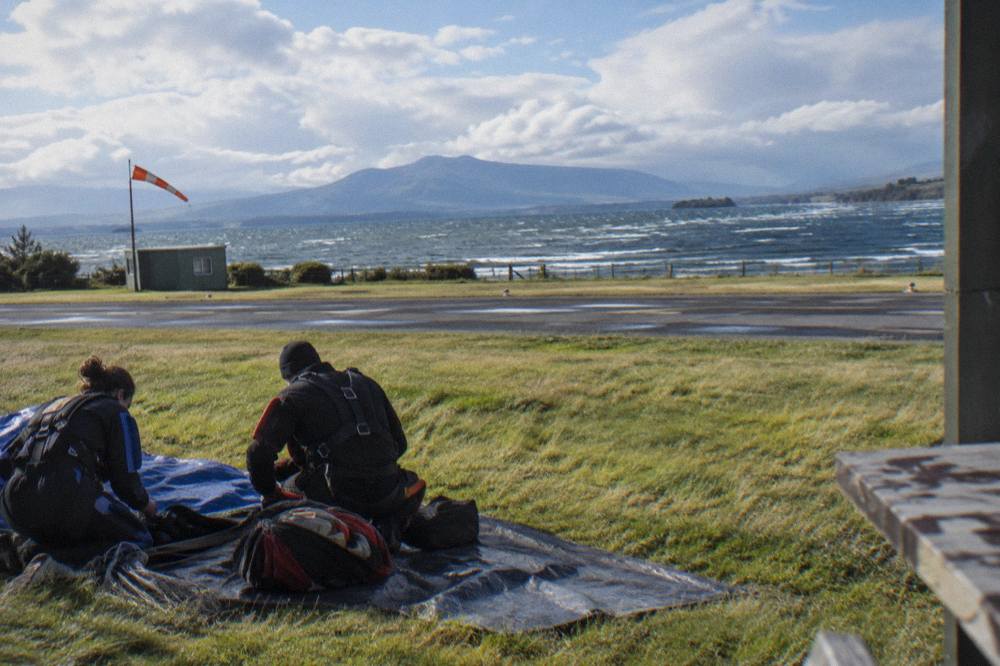
That is the full official position, and it is worth taking seriously precisely because it is so short. The operator could have banned shorts or mandated long trousers, and did not. Instead it put warmth first, which tells you where the priorities sit: comfort across a two to three hour visit and through an unheated climb, not leg coverage for its own sake. The operator's FAQ is the page that carries the clothing guidance, and it pairs the warm-clothes instruction with the detail that the supplied kit covers the exposed bits that matter most, namely head, eyes and neck.
The supplied jumpsuit deserves a mention here, because it changes the calculus more than people expect. It is a proper jumpsuit worn over your own clothes, and it blocks wind effectively. Your own layer underneath is what handles insulation on the ground, in the aircraft cabin and during the walk from the hangar. Thin shorts under a jumpsuit still leave you with cold legs the moment you are standing around in the open before the suit goes on.
Before going further, there is a natural companion question worth reading: this site's guide on what to wear for a Taupo skydive covers the full outfit, layer by layer, while this article stays on the shorts-or-pants decision itself.
Why Warmth Drives The Decision
Warmth is the operator's only stated clothing priority, and it is the axis the shorts-versus-pants choice should turn on. The day involves hours outdoors at an airport drop zone, an unheated aircraft ride to altitude, and then a return to the ground where the wind is stronger than the town streets you drove in from. Pants serve all three phases; shorts serve mostly the last one, and only on a warm day.
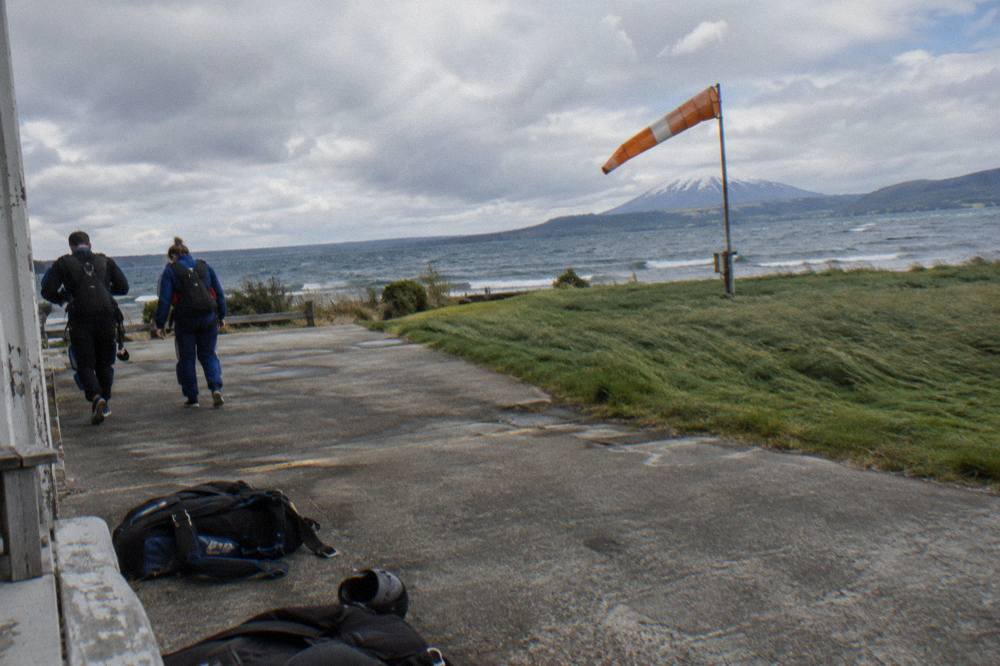
Start with the drop zone itself. It sits at 1227 Anzac Memorial Drive, Taupo Airport, which the operator describes as a 10 minute drive from town, and it is an open airfield environment. You will check in, wait, brief and gear up there, frequently for longer than the jump itself takes. Taupo afternoons can be warm, but Taupo mornings at an airfield, in any season, are frequently not, and the 9:00 and 10:00 slots put you on the grass while the day is still warming up.
Then the aircraft. The ride to 12,000 ft or 15,000 ft takes you into genuinely cooler air, and the operator's freefall figures tell the story of how long you spend up there before the door opens: almost 40 seconds of freefall from 12,000 ft, and up to 60 seconds from 15,000 ft. The climb beforehand is longer than either, and bare legs feel it. No degree figures are stated, so none are invented here; the operator's warm-clothes instruction is the proxy, and it points one way.
Finally, freefall itself. Sixty seconds of moving air at freefall speeds is wind exposure of a kind most people never otherwise meet, and the supplied jumpsuit takes the worst of it. But the legs underneath still matter, and the difference between thin shorts and a pair of joggers is something you will notice on the ride rather than in freefall, which is exactly why the pre-jump hours decide the answer more than the jump does.
Matching Legwear To The Day
Use a simple three-way read: summer midday slot, warm day but morning or evening slot, and everything else. The first can justify shorts, the second is a coin toss that pants win on comfort, and the third is pants without debate. Layer a light pair of trousers over whatever you like wearing, and bring a warm top layer you can shed, since you can always remove warmth but cannot add it at the airfield.
| Situation | Better Choice | Why |
|---|---|---|
| Summer, midday slot, warm day | Shorts are workable | Ground time is comfortable, and the jumpsuit covers the climb |
| Any season, morning or early slot | Pants | Airfield mornings run cool; the 9:00 slot is the coldest of the day |
| Autumn, winter or spring | Pants | The operator's warm-clothes instruction applies in full |
| Freefall camera package booked | Either, but plain and fitted | Loose flapping fabric shows up in footage; tight legs stay put |
| Sensitive to cold generally | Pants plus a warm top | You cannot add layers you did not bring |
Fit matters as much as length. Fitted leggings, joggers or stretch trousers are ideal because they sit close under the jumpsuit without bunching at the waist, ankles and harness points. Very loose wide-leg trousers can ride up under the harness and the suit, and anything with bulky side pockets or exposed drawstrings gives the kit something to catch on. Skinny-but-non-stretch jeans are the other edge case: fine for the jump, restrictive for the ground hour and the lifting your legs into the aircraft demands. The sweet spot is the boring middle: comfortable, stretchy, full-length and plain.
Fabric is the quiet third factor. Synthetic athletic fabrics and merino keep working if conditions turn damp, and they pack down small. Heavy cotton absorbs the cold and holds it, which matters more on a winter morning than any style consideration. If you are building an outfit from scratch for the day, treat the trousers the way you would for a coastal walk in the same month, and you will land in roughly the right place.
For readers pairing this decision with a booking: the 12,000ft Tandem Skydive is the tour with the full public figures, rated 5.0 across 457 reviews, from US$194, about 2 hours, with free cancellation up to 24 hours before. If a longer freefall appeals, the 15,000ft Tandem Skydive adds up to 60 seconds of freefall; its rating, price and duration are not stated, so ask the operator. And the Helicopter Flight, 15,000ft Skydive pairs a 12-minute helicopter flight with the 15,000 ft jump, from NZ$599 per person with a minimum of 2 passengers.
Head To Toe: The Rest Of The Outfit
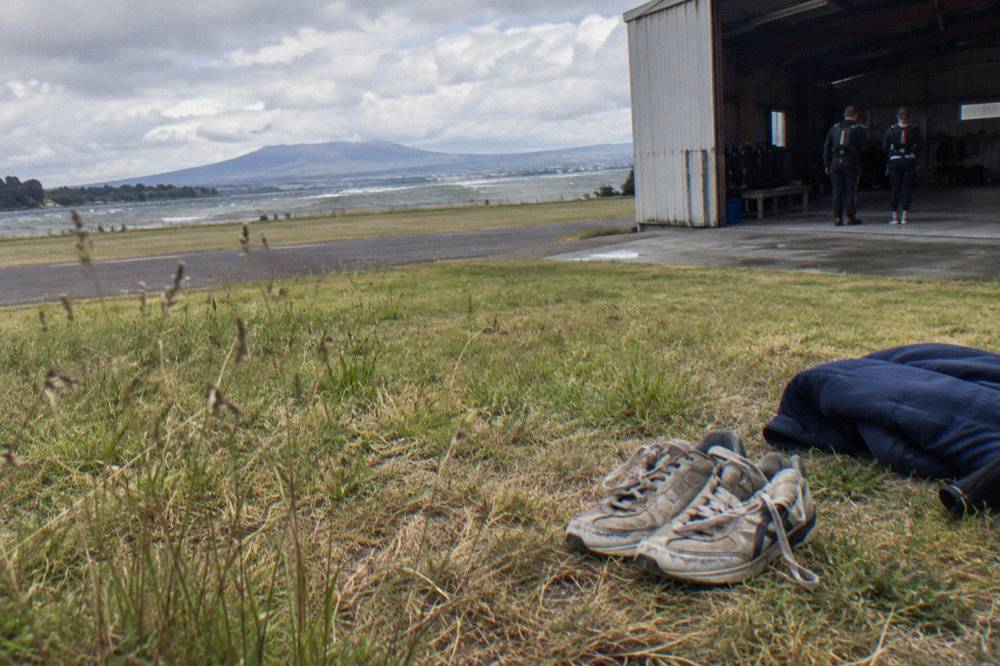
Closed-toe shoes are the one hard clothing requirement, so sneakers or light trainers beat anything open, anything heeled and anything that slips. Up top, layered shirts plus a warm mid layer let you adjust across the day, and the supplied hat, goggles and neck buff cover the rest. Leave the loose accessories at home, and if you wear glasses, they fit under the goggles, so contact lenses are optional rather than necessary.
Footwear is where the operator is least flexible, and rightly so. Landings involve feet, sometimes at speed, and occasionally a bit of a slide. Lace-up trainers with a sole that grips are the standard answer. Sandals, jandals, heels, slip-ons and anything you would not run in are out, not by written rule but by plain sense, and drop zone staff will say the same.
The upper body follows the same layering logic as the legs. A base t-shirt, a warm mid layer such as a fleece or hoodie, and a shell you can leave in the car give you three settings across a morning that starts cold and warms up. The jumpsuit goes over all of it, so bulk is less of a problem than you might assume, though avoid very thick padded jackets, which make the harness fit awkwardly. Skinny straps and harness points sit on shoulders, chest and leg loops, so smooth layers underneath are kinder than bulky seams.
Smaller details round it out. Long hair should be tied up, since it lives under the goggles strap and the supplied hat. Jewellery, watches and anything that could detach in freefall should come off and stay in the car or a secure pocket. The operator's photo and video packages, described on the operator's camera packages page, mean most jumpers come away with photos, so plain, solid-coloured clothing pays a small dividend on the day: it photographs cleanly and keeps the focus on you and the lake rather than on a slogan.
Common Mistakes When Choosing Skydiving Clothes
The recurring mistakes are dressing for the jump instead of the whole day, wearing new or stiff shoes, choosing loose clothing that shifts under the harness, and forgetting that the ground hours are the cold ones. People also over-assume that summer in town equals summer at the airfield, and under-assume how long the visit runs. Each mistake is avoidable with one extra layer and one honest look at the forecast.
The biggest one is simple: optimizing for the freefall minute and ignoring the other hundred-plus. The operator says the whole visit finishes in about 2 hours, with the terms suggesting allowance of up to 3 hours, and the skydive portion itself is about 30 minutes. Shorts chosen because "the jump will be quick" leave you cold for the parts on either side of it, and those parts are where your memory of the day gets coloured.
The second is footwear bought for the occasion. Brand new stiff shoes, worn for the first time at the drop zone, are a blister factory before the plane even engines up. Broken-in trainers that you can walk, stand and shuffle in for a couple of hours are worth more than any technical feature. The third is loose or elaborate clothing: flowing trousers, dangling cords, unzipped layers that flap. Under the harness and the jumpsuit, close-fitting clothing behaves; loose clothing rides, bunches and distracts.
The fourth mistake cuts the other way: heavy over-correction. A thick ski jacket under the jumpsuit makes the harness awkward and the whole kit bulky. Warmth is a layering problem, not a thickness problem, and two light warm layers beat one heavy one. For a fuller catalogue of the things that cause trouble, the companion post on what not to wear while skydiving goes through the failures item by item.
Getting Dressed For The Taupo Drop Zone Specifically
Taupo's drop zone is an open airfield about a 10 minute drive from town, served by free transport within Taupo on request, about 30 minutes before your booked time. That journey detail matters for clothing, because you leave town comfortable, arrive at an exposed site, and cannot nip back for a warmer layer. Dress for the airfield, not the cafe street you started on.
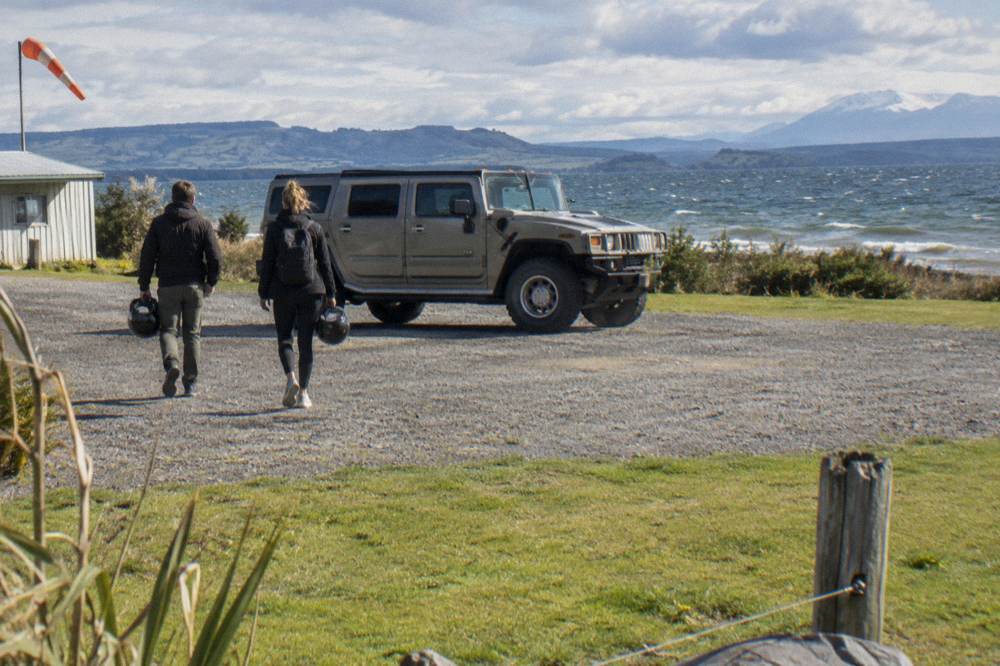
The transport itself is worth planning around. The operator offers free transport within Taupo, by stretch Hummer or minibus, picking up roughly 30 minutes before the booked slot. If you are using it, whatever you are wearing when the pickup happens is your outfit for the day, so the shorts decision has to be made in your accommodation rather than at the airfield car park. The operator's location page covers the drop zone address and directions if you are self-driving instead.
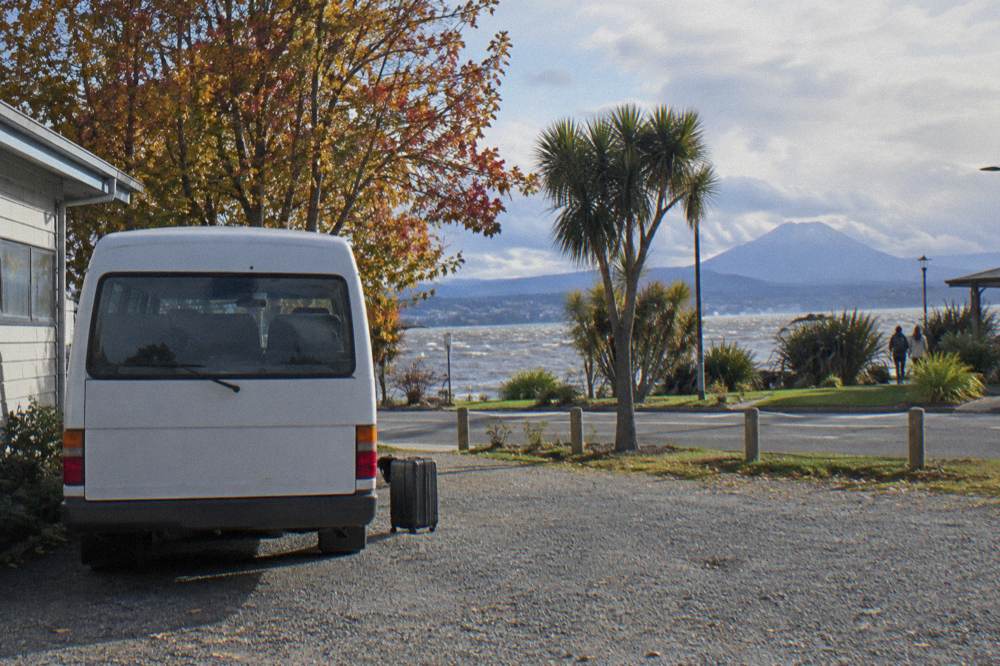
Spectators change the maths slightly. If family or friends are coming to watch, they face the same ground hours without a jumpsuit to put on, so the warm-clothes logic applies to them even more strongly than to the jumper. A blanket, sun protection and the same closed-toe preference for standing on grass are reasonable additions for anyone in your group who stays earthbound.
Seasonally, the operator runs 362 days a year with hourly trips, winter hours 9:00 to 16:00 and summer hours 8:00 to 18:00. Summer midday slots are the only realistic shorts window, and even then a light pair of trousers costs nothing in comfort and protects against scrapes on landing. Winter jumps belong to proper layers: warm trousers, a mid layer, and a hat you do not mind handing over for the supplied one at the door.
If the clothing question has settled and the booking question has not, the full set of Taupo options is below.
Whatever you choose, the honest summary is short. The operator asks for warm, comfortable clothes and closed-toe shoes, supplies the rest, and leaves the shorts-or-pants call to you and the forecast. Taupo Tandem Skydive coverage on this site walks through the same logic for every altitude on offer, and the answer holds across all of them: dress for the hours around the door, and the door takes care of itself.
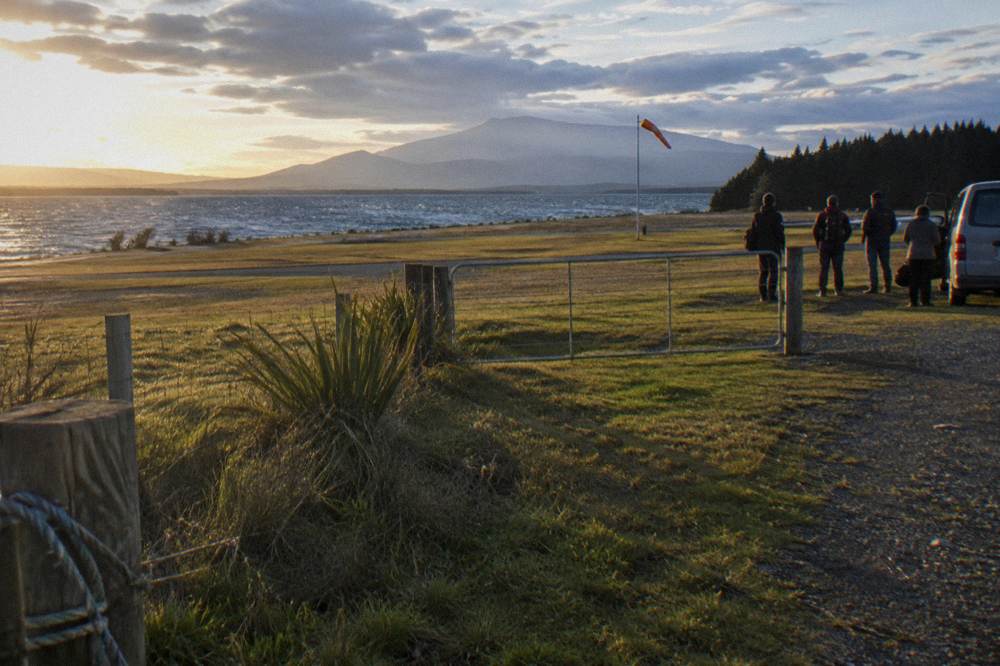
The hourly schedule makes the timing easy to plan. Book the first summer slot at 8:00 and your pickup sits around 7:30, which pushes the dressing decision ahead of breakfast. The last winter slot at 16:00 works the same way in reverse, with pickup around 15:30. Either way, the clock starts at your accommodation door, not at the airfield gate.
Layers you can shed beat one heavy piece. The same exposure that has spectators reaching for a blanket can warm a windless midday wait, and the same ground can cool again toward the first and last departures of the day. A zip or button front also goes on and off faster than a pullover when you keep moving between the vehicle and the viewing area.
Self-drivers get one small bonus: the car works as storage, so a spare jacket, the spectator blanket and a dry pair of shoes can wait a short walk away while you jump, and sun supplies can live in the boot between applications. Shuttle riders do not have that fallback, which is one honest reason to weigh the self-drive link above if anyone in your group runs cold or burns easily.
Common Questions About What To Wear Skydiving
Is It Better To Wear Shorts Or Pants When Skydiving?
Pants are the better default, because the operator's stated clothing priority is warmth, and long legs serve the unheated climb and the hours on the ground better. Shorts are workable for a summer midday slot. Neither is banned; no ruling on shorts or skirts is stated, so ask the operator on 0800 826 336 if you want confirmation.
Does The Skydive Operator Provide A Jumpsuit?
Yes. A jumpsuit, goggles, hat and neck buff are supplied with every jump, per the operator. Your own clothing is the warm, comfortable layer underneath.
What Shoes Should I Wear For A Tandem Skydive?
Closed-toe shoes are the stated requirement. Broken-in lace-up trainers are the ideal: they grip, they stay on, and they stay comfortable through a visit of about 2 to 3 hours.
Can I Wear Jeans Skydiving?
Comfortable, stretchy trousers are better than stiff denim. Skinny non-stretch jeans restrict movement during boarding and under the harness, while very loose styles ride up. Joggers, leggings or stretch trousers are the reliable middle ground.
Will I Be Cold During The Skydive?
The aircraft climb is where cold is felt most, and the operator's warm-clothing instruction exists for that reason. The supplied jumpsuit blocks wind well. No temperature figures are stated; layering for a cool outdoor day covers it.
Can I Wear Glasses Or Contact Lenses When Skydiving?
Glasses fit under the supplied goggles, per the operator, so you do not need contacts to jump. Contact lenses are also fine. Either way, the goggles seal over the top.