What Not To Wear While Skydiving?
Clothing and footwear mistakes to avoid on jump day at Taupo, with the operator's own guidance on warm clothes, closed-toe shoes, glasses and supplied kit.
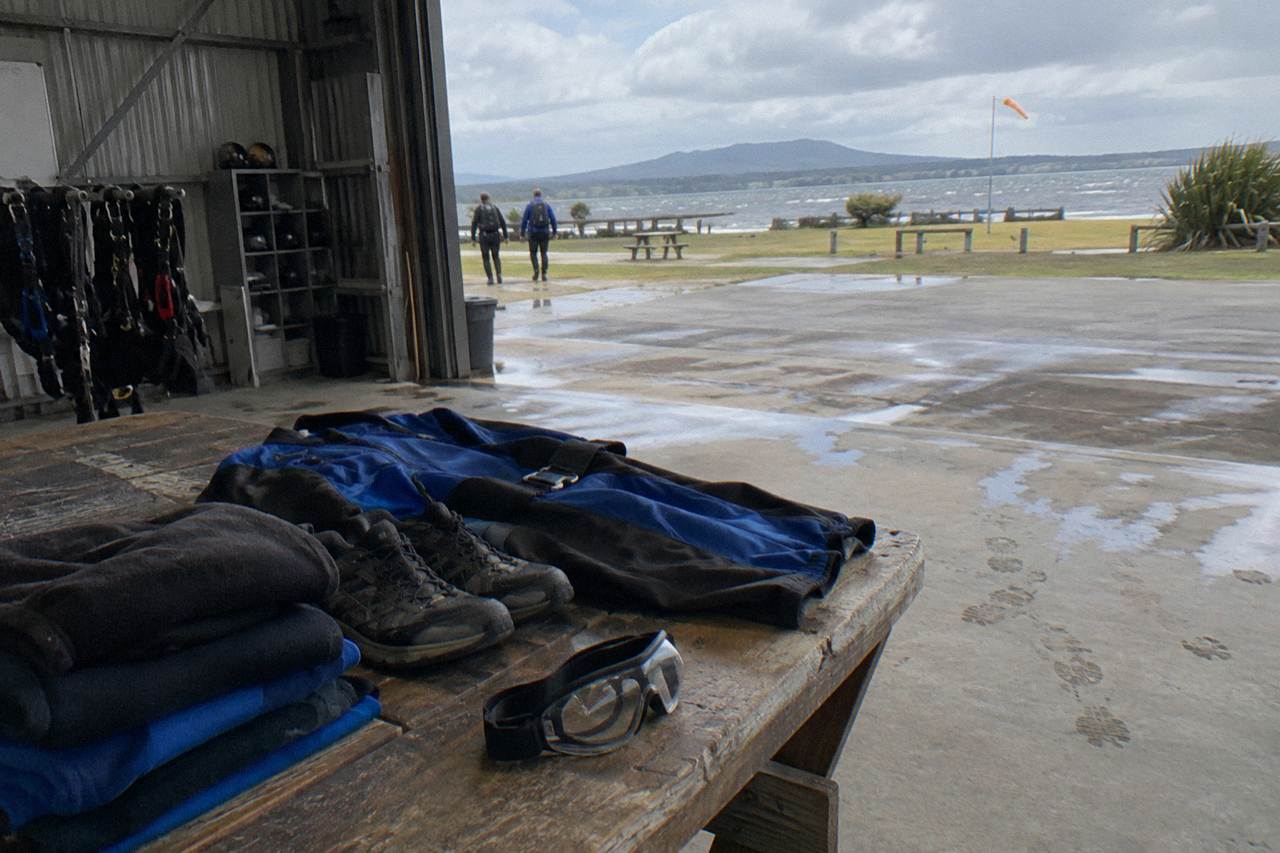
Wear warm, comfortable clothes and closed-toe shoes, and skip open sandals, loose jewellery and anything that dangles. That is the whole of the operator's clothing rule for a Taupo tandem jump, and the jumpsuit, goggles, hat and neck buff are supplied for you. Glasses fit under the goggles, so there is no need for contact lenses if you do not normally wear them. On shorts, skirts and anything beyond that list, the operator gives no ruling: ask before you pack.
Clothing questions cluster around a handful of anxieties. Will you be cold? Will your shoes come off? Can you wear your glasses, your hoodie strings, your favourite sandals? Most of those have clear answers from the operator's FAQ, and a few have no stated answer at all, which is worth knowing before you stand at the drop zone wondering about your outfit.
The practical stakes are modest but real. A tandem jump means a tight harness around the hips and legs, a jumpsuit over your clothes, a pair of goggles sealed against your face, and roughly thirty minutes for the skydive portion from sign-in to landing, with the whole visit usually finished in about two hours. You are not dressing for an expedition. You are dressing so that nothing pinches, flaps, falls off or has to be left behind in the plane.
Why The Operator Asks For Warm, Comfortable Clothes
The operator asks for warm, comfortable clothes because warmth and comfort are its stated priorities for this trip, and that simple direction is the full extent of the official guidance: dress warmly in clothes you feel comfortable moving in, and you have met the operator's stated requirement. A jumpsuit goes over whatever you wear, and the temperature at jump altitude is lower than on the ground, so thin summer layers under the suit leave you colder during the ride up and the door-open wait. Comfortable matters as much as warm, because the harness sits close against your body and stiff denim seams, tight waistbands or bulky pockets press in under the leg straps. Nothing in the operator's guidance names specific fabrics or temperatures in degrees, so treat this as a layering decision, not a technical equipment brief.
The logic of "warm" is altitude, plain and simple. The plane climbs to 9,000, 12,000, 15,000 or 16,500 ft depending on the jump you book, and the operator runs trips hourly through the day in every season, 362 days a year, per its FAQ. Air at jump altitude is colder than the Taupo air you dressed in, and the ride up in an open-door aircraft with no heating means you feel it. A t-shirt alone is a poor plan even on a hot February afternoon.
“They have to do it. Nathan was awesome he made you feel comfortable would I do it again hell yes thank you for the experience”
The logic of "comfortable" is the harness. It is fitted snugly on the ground, checked by the tandem master, and it stays snug for the whole trip. Anything that restricts your movement, digs in when you sit, or adds lumps under the straps, think thick belts, wallet chains, phone cases, will make those two to three hours the operator asks you to allow less pleasant than they need to be.
A practical checklist before you leave your accommodation:
- One warm base layer you would happily wear outside on the day
- Comfortable trousers or leggings rather than anything stiff or tight
- Everything else, jumpsuit, goggles, hat, neck buff, supplied at the drop zone
For the same reason, the Taupo Tandem Skydive drop zone at Taupo Airport is only about a ten minute drive from town, so there is no need to over-dress for travel either. You can arrive in exactly what you plan to jump in.
Footwear Rules: Closed-Toe Shoes Only
Yes, closed-toe shoes are the rule here: the operator states this as the one hard footwear requirement, which rules out open sandals and anything that slips off easily, so the safest choice is a pair that stays firmly on your feet throughout the experience. The reason is not stated in so many words, but the implication is obvious enough: feet take load during landing, and footwear that stays on is the safest assumption on a drop zone. Sneakers, trainers and light hiking shoes all fit the requirement without any special shopping trip.
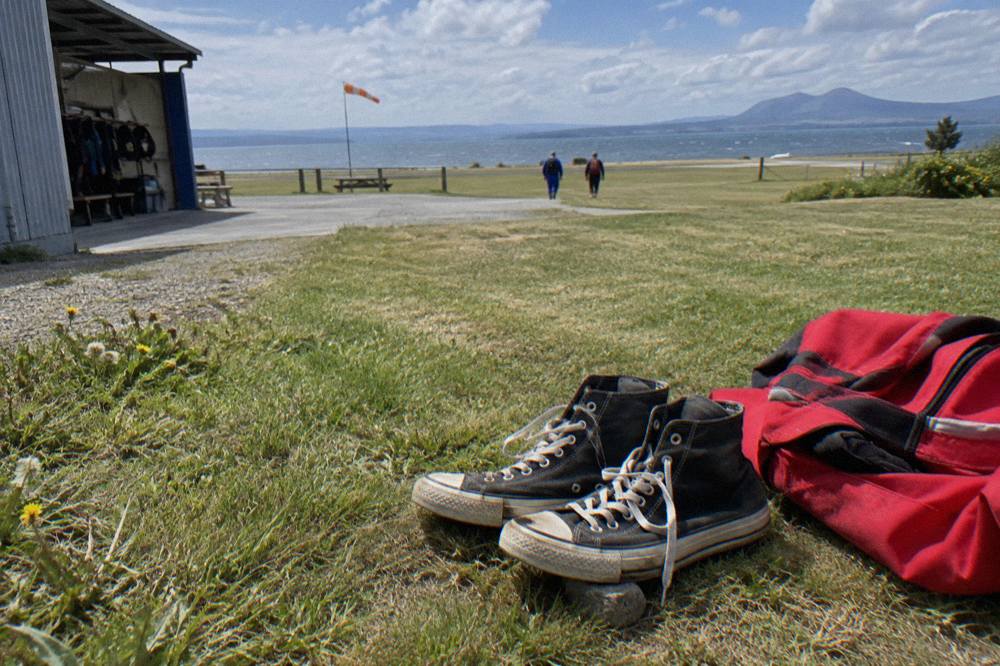
What fails the test is worth naming precisely. Open sandals and jandals fail because the toe is exposed and the sole is unsecured. Backless slip-ons fail because they come off under load. High heels fail twice over, once for the exposed rigidity and once for the uneven sole on grass and aircraft flooring. Anything with loose laces you never tighten fails in spirit, since a shoe that slides half off behaves like a sandal at the wrong moment.
What the operator does not state is a footwear brand, a sole requirement or a ban on any specific style beyond the closed-toe rule. If you own unusual footwear and genuinely cannot tell whether it qualifies, ask before you travel: the office number is 0800 826 336, and the question takes ten seconds. The same goes for medical footwear you cannot remove, which the operator's pages do not address at all.
Footwear matters most on the 12,000ft Tandem Skydive, which the tour page describes as a two hour experience from sign-in through landing, rated 5.0 across 457 reviews and showing from US$194 per person with free cancellation up to 24 hours before. Two hours in the wrong shoes is a long time.
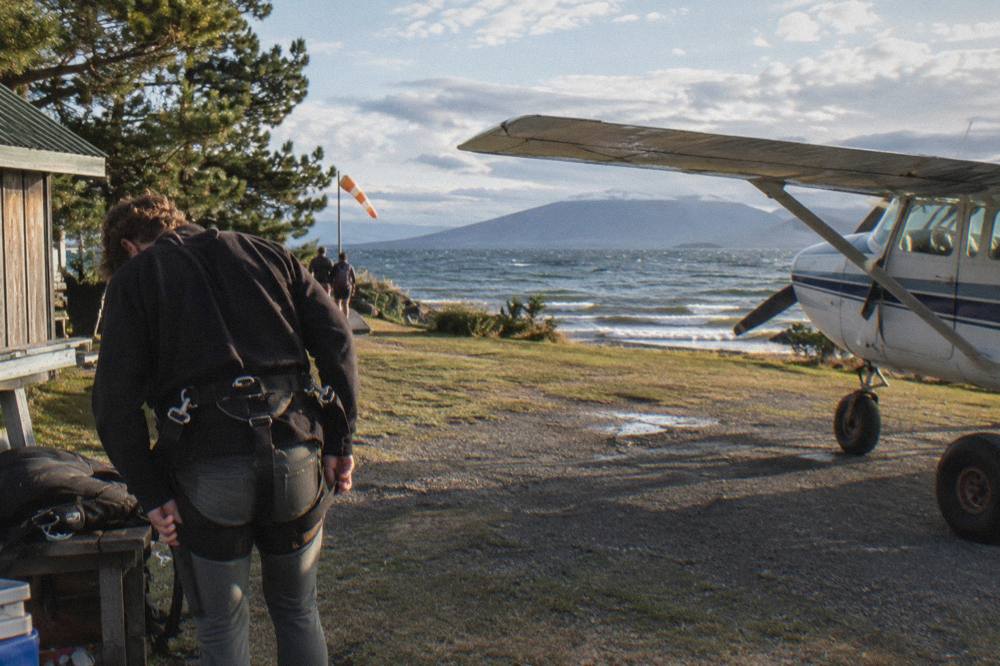
One more comfort detail: arrive 30 minutes before your booked time to sign in, per the operator's terms, and you will be on your feet for part of that. Shoes you can stand around in comfortably are part of the day, not just the jump.
Glasses, Goggles And Things That Fit Under Kit
Yes, your normal prescription glasses fit under the supplied goggles, so you can wear them on the jump as usual. The operator supplies the goggles, hat and neck buff itself, meaning the small items that sit under and around the rest of your kit are all provided for you. That single fact settles a question many first-time jumpers worry about: you do not need to book the jump blind, and you do not need to buy contact lenses for the day. The goggles seal around the frames well enough for the operator to state it plainly in its FAQ.
Sunglasses are the adjacent question, and the supplied goggles replace them entirely. Since goggles are part of the kit, prescription or not, there is nothing to dangle from a cord or tuck into a pocket. That is one fewer loose item to worry about at 12,000 ft.
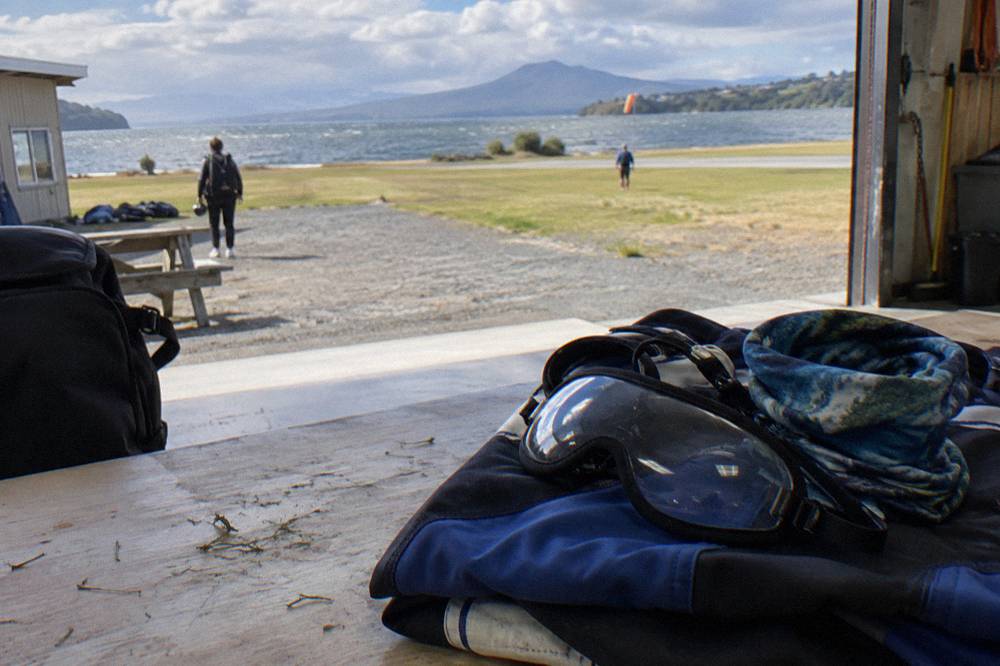
Hats are likewise supplied, so a baseball cap is not needed for warmth under the jumpsuit hood or helmet arrangement. The neck buff covers the gap at your collar, which is the strip of skin that otherwise catches the cold air hardest in freefall. In other words, the items people most often bring for themselves, sunglasses, hats, scarves, are already provided, and bringing your own duplicates mostly creates loose items to store.
Contact lenses get no specific mention in the operator's guidance. If you wear lenses and find goggles-over-glasses uncomfortable in ordinary life, that is a conversation for the operator rather than a rule to assume, since nothing is stated either way.
Jewellery, Loose Items And What To Do With Them
Leave anything loose, dangling or precious at home or locked in the car before you head out, because the kit your operator provides covers your body but does nothing for your accessories. Rings, necklaces, watches and anything that can slip off, snag or get lost are far safer stored away than carried with you on the day. Necklaces, bracelets, long earrings and dangly hood drawcords all sit somewhere between uncomfortable and hazardous under a jumpsuit, harness and goggles. Rings that fit snugly are usually unproblematic, but the operator states no jewellery policy at all, so treat this as common-sense territory rather than a printed rule.
“I had an amazing skydiving experience with you today, June 19, 2025! The 12,000-ft jump, professional guides, and seamless hotel pick-up and drop-off were outstanding. Thank you for an unforgettable adventure!”
The physical case for tightening and removing is straightforward. Freefall pushes air hard against everything not sealed inside the jumpsuit. A drawcord whips against your neck. A loose bracelet slides toward your hand and under a glove line or strap. An earring presses sideways under the goggles' seal. None of this is dramatic, and all of it is avoidable in the thirty seconds it takes to remove items before suiting up.
Phones deserve their own line. There is no passenger phone use on a jump, and the operator's camera packages exist precisely because you cannot film it yourself. Selfie cam and Freefall cam options, from tandem master wrist cameras or a separate camera flyer, are bookable as add-ons, with 10% off a camera package booked online per the operator's photo and video page. Leave the phone with a spectator, in the vehicle, or stored as the drop zone staff direct.
What to do with the items, concretely:
- Spectators can hold valuables while you jump, and the drop zone at 1227 Anzac Memorial Drive, Taupo Airport, has an area where non-jumpers can wait
- Anything you cannot afford to lose, heirloom rings especially, is better locked in accommodation than carried to the airfield
- Government photo ID is required, so keep that on you or with your group, not buried in a bag left far away
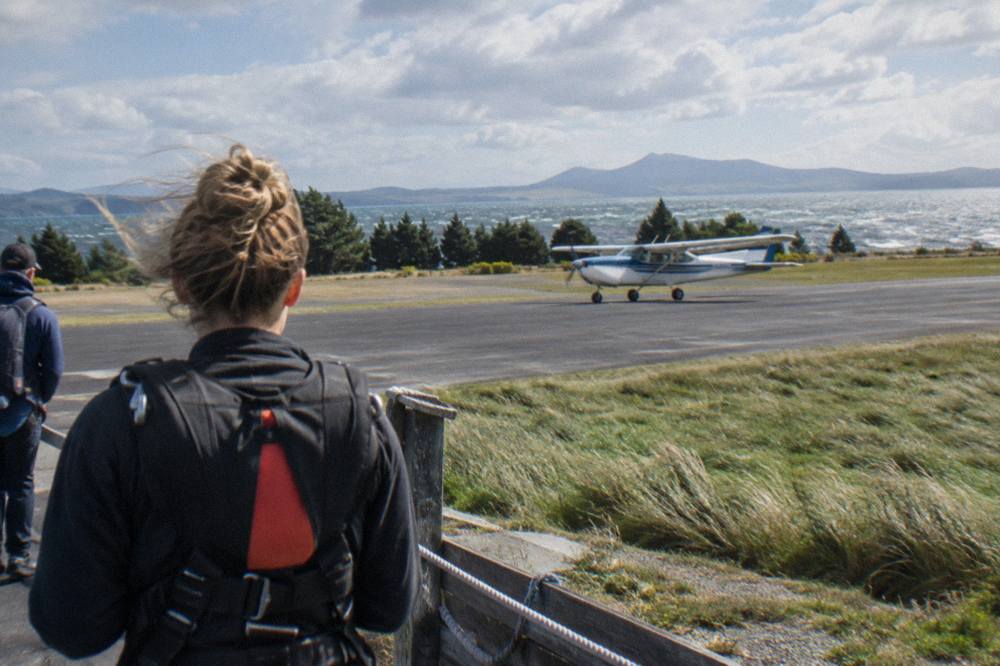
The higher-altitude option, the 15,000ft Tandem Skydive, comes with almost 60 seconds of freefall per the operator, which is a long time for a whipping drawcord. Its booking page shows no rating, price or duration of its own, so check the live page for current figures.
What The Operator Supplies So You Can Pack Lighter
The operator hands you a jumpsuit, goggles, a hat, and a neck buff, which means those bulky items never need to occupy space in your luggage. Since this core kit is provided on site, you can leave the heavy gear at home and build your packing list around only the extras you personally want to bring along. You are choosing only the layers underneath and the shoes on your feet. Everything that interfaces with the aircraft, the air and the harness is provided and fitted on site, as the operator's FAQ confirms.
It helps to see the division of responsibility in one view:
| Item | Supplied by the operator | You bring |
|---|---|---|
| Jumpsuit | Yes, worn over your clothes | Nothing |
| Goggles | Yes, fit over glasses | Nothing |
| Hat | Yes | Nothing |
| Neck buff | Yes, free with every jump | Nothing |
| Certificate | Yes, with every jump | Nothing |
| Base layers | No | Warm, comfortable clothes |
| Footwear | No | Closed-toe shoes |
The jumpsuit also quietly answers the "what will I look like" worry. Your own clothes are hidden under it for the jump itself, so colour coordination, matching sets and skydiving-themed t-shirts are all beside the point. Photos and video capture the suit, not your outfit underneath.
The free neck buff comes with every jump, and the certificate of completion does too, per the operator's prices page. If you booked a 15,000 ft or higher package with camera add-ons, there is also 50% off a T-shirt, which means the operator has thought about your post-jump wardrobe more than you need to.
Weather Layers And Jumping In Colder Months
Layering is the practical answer to jumping in colder months, because the operator publishes no temperatures in degrees and offers no per-month clothing advice, so you are left to judge conditions yourself. Wear thin, flexible layers you can shed or add as needed, and treat the forecast on the day as your guide to how warm or cold the jump will feel. Winter trips run hourly from 9:00 to 16:00 and summer trips from 8:00 to 18:00, per the operator's FAQ, and a morning winter slot in Taupo is a different proposition from a summer afternoon even before altitude is factored in. A t-shirt plus a fleece you can remove in the warmth of the drop zone covers both ends without overpacking.
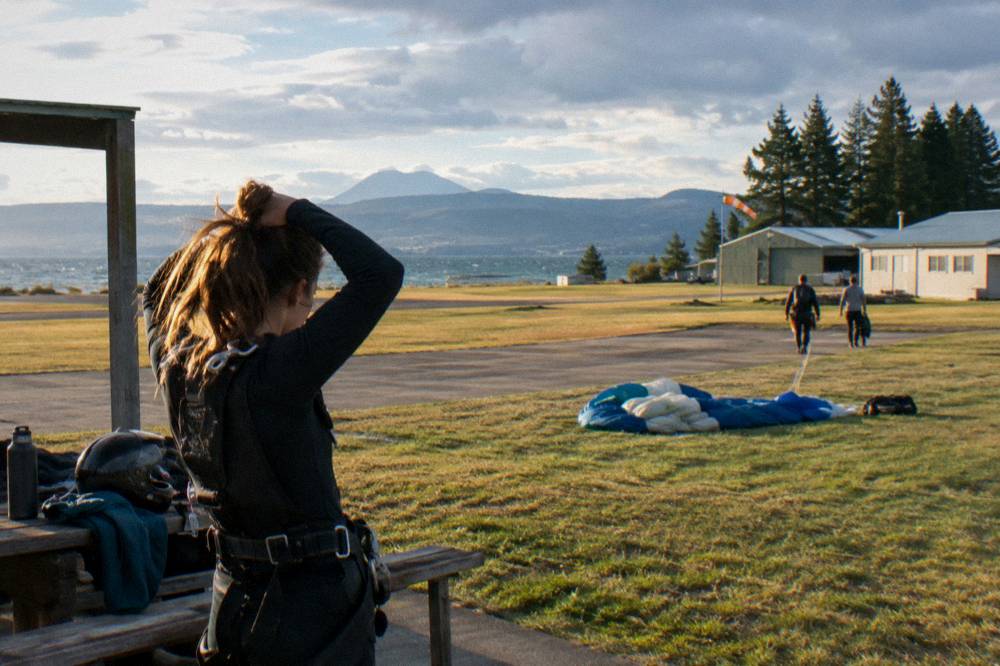
The layer under the jumpsuit is what you control. On a cold morning, a long-sleeved base layer and trousers beat shorts and a tee outright. In summer, the same logic applies with lighter weight, because the cold that matters is at altitude, not on the runway. The jumpsuit adds a layer but is not described as insulated, so do not treat it as a winter coat.
Weather also affects the schedule, not just the outfit. The operator asks you to call 30 minutes before arrival or pickup to confirm the weather, and a weather hold means rebooking the same day or a later day, or cancelling free if you cannot come back, with payment taken after the jump. Dressing warmly enough to wait around comfortably on a hold day is part of the plan. Full detail on that process sits in the weather and cancellation explainer, and first-timers may also find the first-time skydiving in Taupo guide useful for the wider picture.
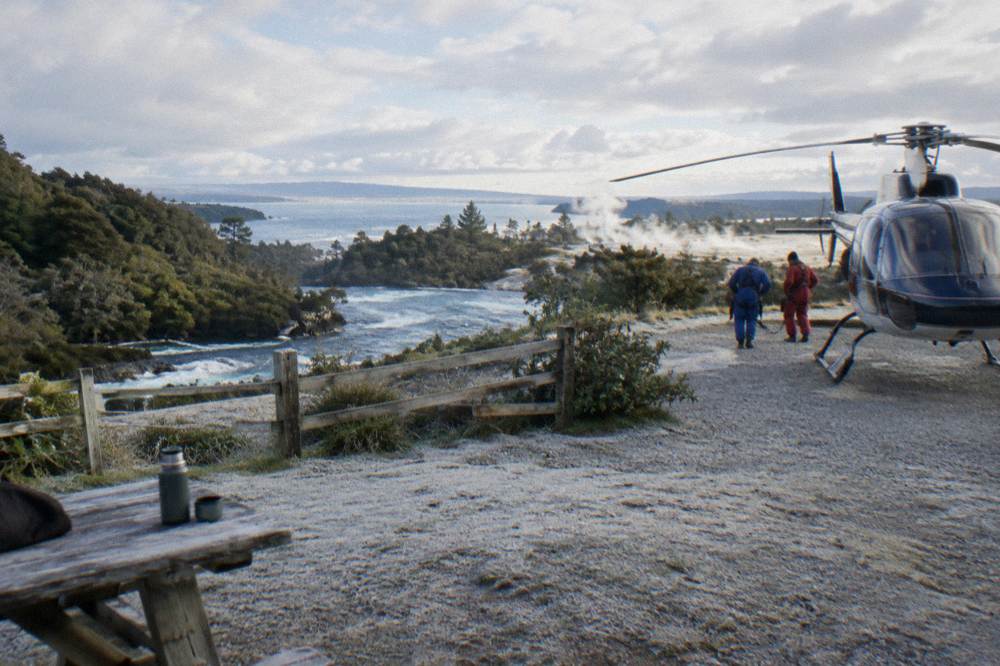
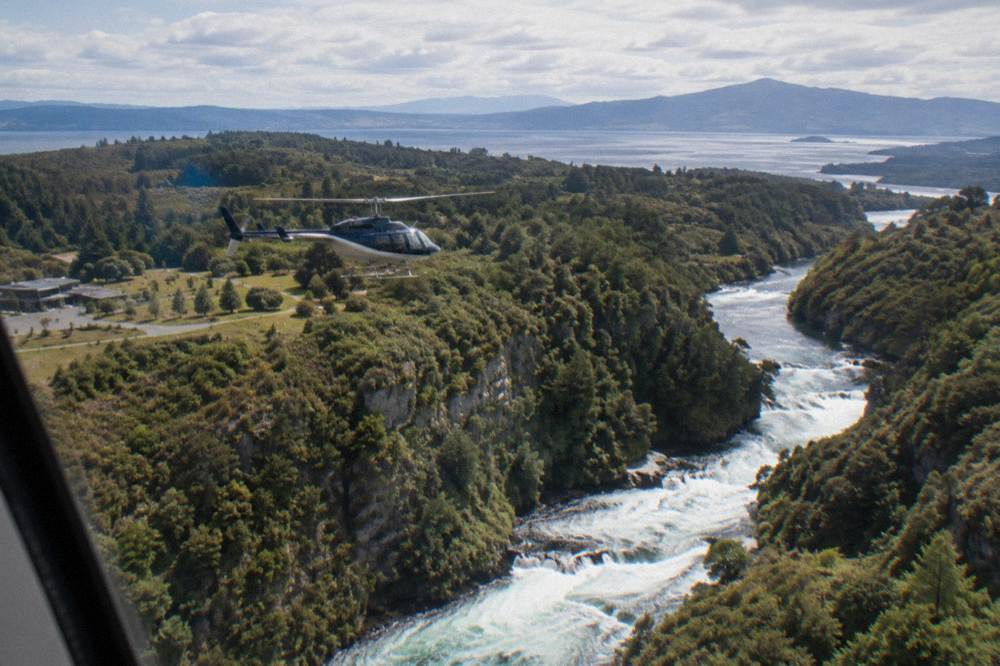
One combo-specific note: the Helicopter Flight, 15,000ft Skydive starts from the Huka Falls Road area rather than the airport drop zone, and its booking page says photos and videos are included. The clothing guidance is the operator's skydive guidance all the same: warm layers, closed-toe shoes, supplied kit. If you are weighing the two formats, the heli and skydive combo guide breaks down the differences.
Common Mistakes When Choosing Skydiving Clothes
The recurring mistakes people make when choosing skydiving clothes are wearing open footwear, dressing for the ground temperature instead of the temperature at altitude, and bringing loose items that have to be stripped off at the last minute before the jump. All three errors share the same root: preparing for conditions on the ground rather than for the skydive itself. People also over-pack, treating a tandem jump as an equipment-intensive activity when the operator supplies the jumpsuit, goggles, hat and buff. The shortest summary of good preparation: comfortable warm layers, secure closed-toe shoes, empty pockets, glasses left on.
The mistakes in plain list form:
- Open sandals or jandals, which the operator's closed-toe rule excludes outright
- Thin summer clothing on a cold morning, ignoring the temperature at jump altitude
- Bulky belts, phones and wallets in pockets, which press under the harness leg straps
- Dangling jewellery and drawcords, uncomfortable and unsafe in freefall
- Buying contact lenses unnecessarily, since glasses fit under the supplied goggles
- Assuming a shorts or skirt ban that the operator never stated, ask instead of guessing
That last one deserves a gentle flag. Well-meaning checklists online often declare shorts or skirts banned outright. The operator's own pages state no such rule: the stated guidance is warm, comfortable clothes and closed-toe shoes, and where a page is silent, the answer is a quick call to 0800 826 336 rather than an assumption either way.
Whichever of the three Taupo jumps you are dressing for, the clothing answer is the same, and the choice between them comes down to altitude and format rather than wardrobe.
Common Questions About What Not To Wear While Skydiving
What Not To Wear While Skydiving?
Avoid open sandals and any shoe that slips off, loose jewellery, dangling drawcords, and anything bulky in pockets. The operator asks for warm, comfortable clothes and closed-toe shoes, and supplies the jumpsuit, goggles, hat and neck buff. Glasses fit under the goggles, so they stay on.
Can I Wear Shorts Or A Skirt Skydiving?
Not stated. The operator's guidance covers warm, comfortable clothes and closed-toe shoes, with no ruling on shorts or skirts either way. If in doubt, call the operator on 0800 826 336 before you pack.
Do I Need To Wear Contact Lenses To Jump?
No. The operator states that glasses fit under the supplied goggles, so you can jump in your normal prescription. Contact lenses get no specific mention, so raise any comfort concern with the operator directly.
Will I Be Cold In The Jumpsuit?
Colder at altitude than on the ground, yes. The operator publishes no temperatures in degrees, but the plane climbs to between 9,000 and 16,500 ft depending on the jump, so a warm layer under the jumpsuit is the sensible default in every season.
Should I Bring A Hat, Scarf Or Sunglasses?
No. The hat, neck buff and goggles are all supplied with the jump, so your own versions just become loose items to store. A free neck buff comes with every jump.
Where Do I Leave My Phone And Valuables?
With a spectator, in your vehicle, or as drop zone staff direct. Phones cannot be used in the air, and camera packages, Selfie cam or Freefall cam, are the way the jump gets filmed. Bring government photo ID, which is required.