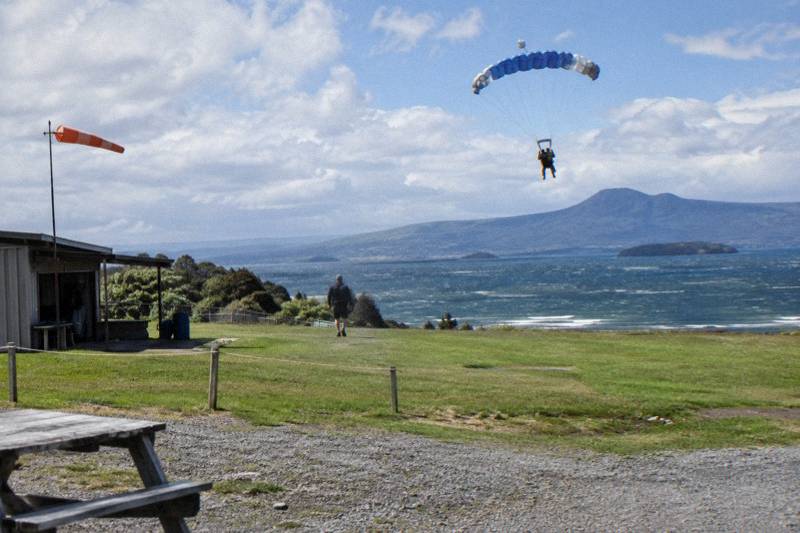
What To Wear For A Taupo Skydive
The operator hands you a jumpsuit, goggles, hat and neck buff, so the clothing decision comes down to what sits underneath: warm layers and closed-toe shoes. Here is what the operator states, what is not stated, and what to ask about before you arrive at the Taupo Airport drop zone.
Short answer
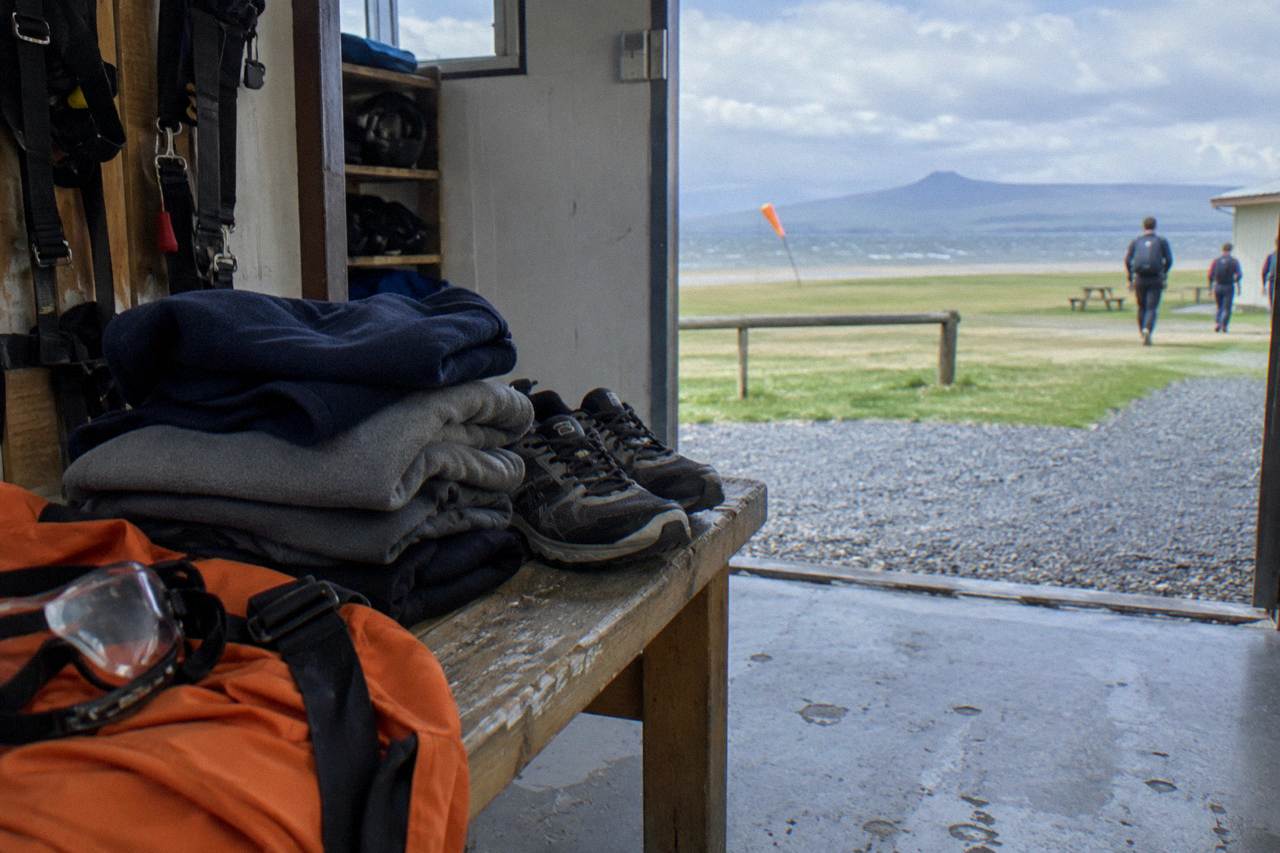
The operator says to wear warm, comfortable clothes and closed-toe shoes, and supplies the jumpsuit, goggles, hat and neck buff. Glasses fit under the supplied goggles, and government photo ID is required at check-in. No ruling on shorts, skirts, jewellery or hair ties is stated: ask the operator on 0800 826 336 before your jump.
For the wider picture of the day itself, see what to expect from a Taupo skydive; the clothing guidance below is the outfit slice of that day.
| Item | Supplied Or Bring | Operator Source |
|---|---|---|
| Jumpsuit | Supplied by the operator | Operator FAQ |
| Goggles | Supplied by the operator | Operator FAQ |
| Hat | Supplied by the operator | Operator FAQ |
| Neck buff | Supplied, free with every jump | Operator FAQ and prices page |
| Warm comfortable clothes | Bring your own | Operator FAQ |
| Closed-toe shoes | Bring your own | Operator FAQ |
| Glasses | Fit under the supplied goggles | Operator FAQ |
| Government photo ID | Bring your own, required | Operator FAQ and terms |
| Shorts, skirts, jewellery, hair ties | Not stated, ask the operator | Operator FAQ |
What Should You Wear For A Taupo Skydive?
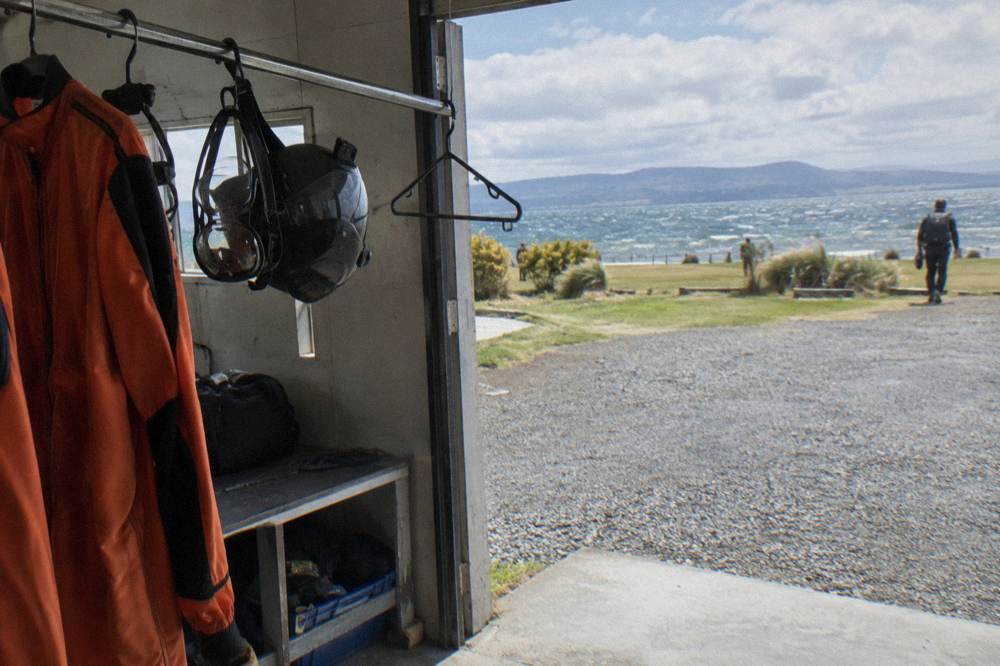
Warm, comfortable clothes and closed-toe shoes, with the operator's jumpsuit over the top, is the complete official answer. The operator supplies the jumpsuit, goggles, hat and neck buff, so nothing technical needs to be bought or rented. The base layers you arrive in are the only clothing decision that is actually yours, and the guidance is deliberately simple because the jumpsuit does most of the work.
The instruction to dress warm is not decoration. Taupo Airport sits at altitude in the central North Island, and the plane ride to jump height is unheated; the operator does not state temperatures in degrees for any part of the experience, so no number is quoted here, but the direction of the advice is unambiguous. Think of it like dressing for a cold morning walk rather than a beach day: long sleeves beat bare arms, and a base layer you can move in beats anything tight or restrictive. The jumpsuit goes over whatever you wear, so bulk under it should be modest.
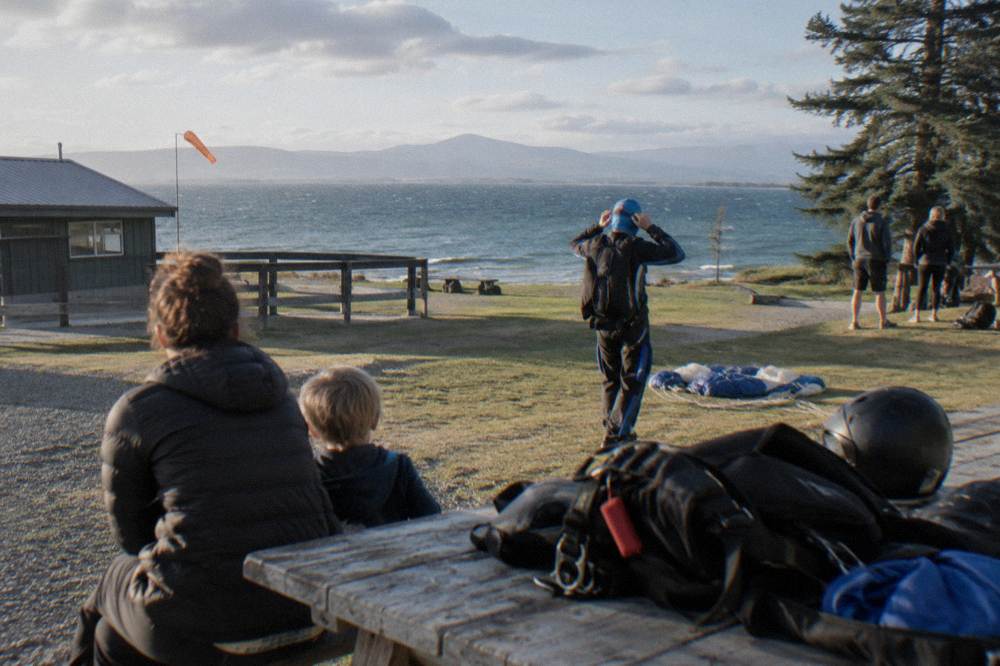
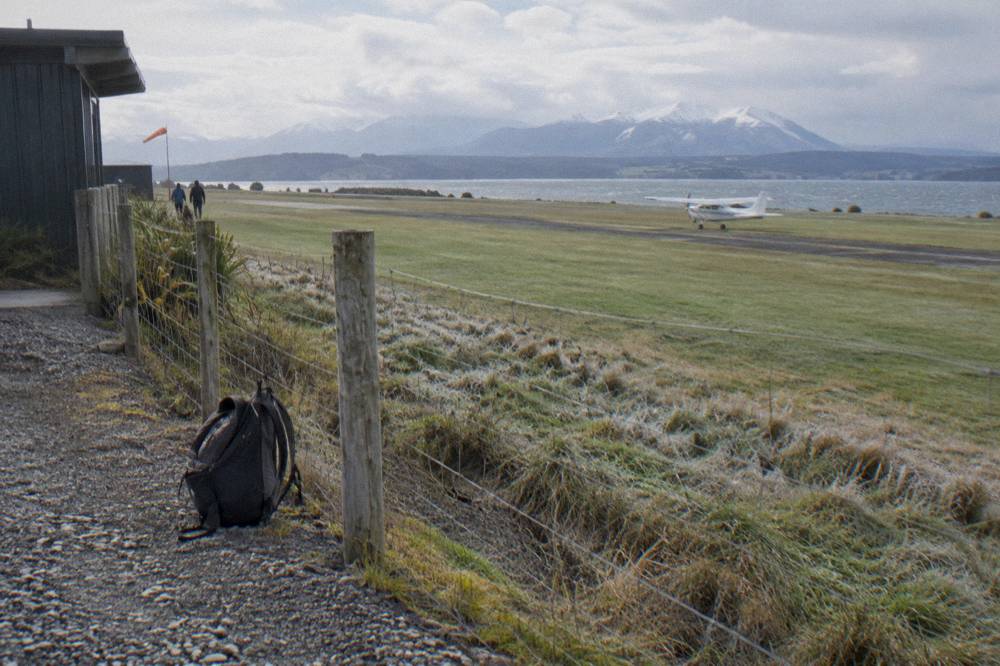
Closed-toe shoes are the one hard rule in the clothing guidance. Sandals, jandals and slip-ons are out; lace-up trainers or light hiking shoes are the usual reading of "closed-toe" and the operator does not itemise approved brands or styles beyond that phrase. If your footwear choice is unusual, the office can confirm it on 0800 826 336 before you travel. The drop zone is at 1227 Anzac Memorial Drive, Taupo Airport, about a 10 minute drive from town per the operator, and you will be on your feet for sign-in, briefing and the walk to the aircraft.
What Does The Operator Supply On The Day?
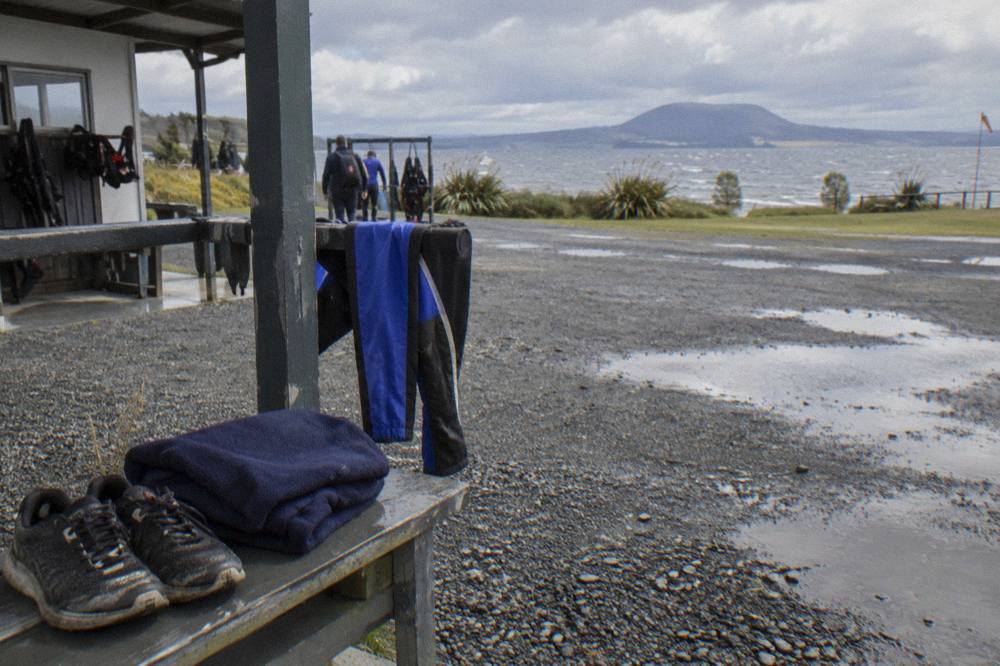
Every jump includes the jumpsuit, goggles, hat and neck buff, and every jump also includes a certificate of completion, so the only kit you must physically bring is clothing and footwear plus photo ID. The neck buff is a free item with every jump, and the prices page adds 50% off a T-shirt on 15,000 ft and higher camera packages. Nothing in the supplied list needs to be pre-booked.
The supplied list is short for a reason. The jumpsuit is the outer shell that takes the airflow, the goggles protect your eyes in freefall and under canopy, and the hat and neck buff cover the parts the suit does not. That means the items people most often worry about buying, an appropriate outer layer and eye protection, are already handled by the operator. What is not supplied is everything personal: underwear layers, socks, trousers and shoes remain your own.
Two features of this drop zone are worth knowing alongside the kit list. First, the free neck buff is stated on the operator's prices page as included with every jump, and the certificate of completion is too, so both are standard rather than package-dependent. Second, if you are weighing which altitude to book, the outfit question is identical at every height: the same clothing guidance applies whether you jump the bookable 12,000ft Tandem Skydive or 15,000ft Tandem Skydive, or the 9,000 and 16,500 ft options that exist only as operator-direct choices.
Can You Wear Glasses Or Contact Lenses Skydiving?
Glasses fit under the supplied goggles, per the operator's FAQ, so prescription glasses are not a reason to skip a jump or to arrange special eyewear. Contact lenses are not separately ruled on in the operator's stated guidance, which makes them a not-stated item rather than an approved or banned one. A quick call to 0800 826 336 settles contact lens questions before jump day.
The glasses answer is one of the more concrete lines in the operator's FAQ, and it matters because freefall airflow is exactly the condition ordinary sunglasses and everyday eyewear are not built for. The supplied goggles are sized to go over a glasses frame, which is also why the hat and buff matter: they close the gaps around the goggle line. If your frames are unusually large or wraparound, a confirmation call is sensible, but the stated position is simply that glasses fit under the goggles.
What the operator does not state is a policy on contact lenses, on sunglasses worn instead of goggles, or on any eye condition affecting the jump. The stated medical posture is broader: see a doctor first with any health concern, and the operator may decline a jump for safety reasons. The Taupo skydive medical conditions guide covers that ground in full, and the operator's FAQ is the primary source for eyewear and clothing lines quoted here.
What About Shorts, Skirts, Jewellery And Hair?
The operator states no ruling on shorts, skirts, jewellery, hair ties or hairstyles, so none of these can be called allowed or banned here. The honest position is "not stated, ask the operator," and the office line is 0800 826 336. The general dressing principle, warm and comfortable with the jumpsuit over the top, is the only stated anchor to reason from.
This gap trips up a lot of packing lists, because generic skydiving advice from other countries and other operators fills the silence with confident rules. That is not how this site works: where the Taupo operator says nothing, nothing is asserted. What can be said is structural. The jumpsuit covers your arms and legs, so a short-sleeved base layer is more exposed to cold than a long one at the wrists and neck, and loose jewellery under a snug suit and harness is the kind of thing an operator commonly has views on, which is precisely why the question is worth one phone call rather than an assumption.
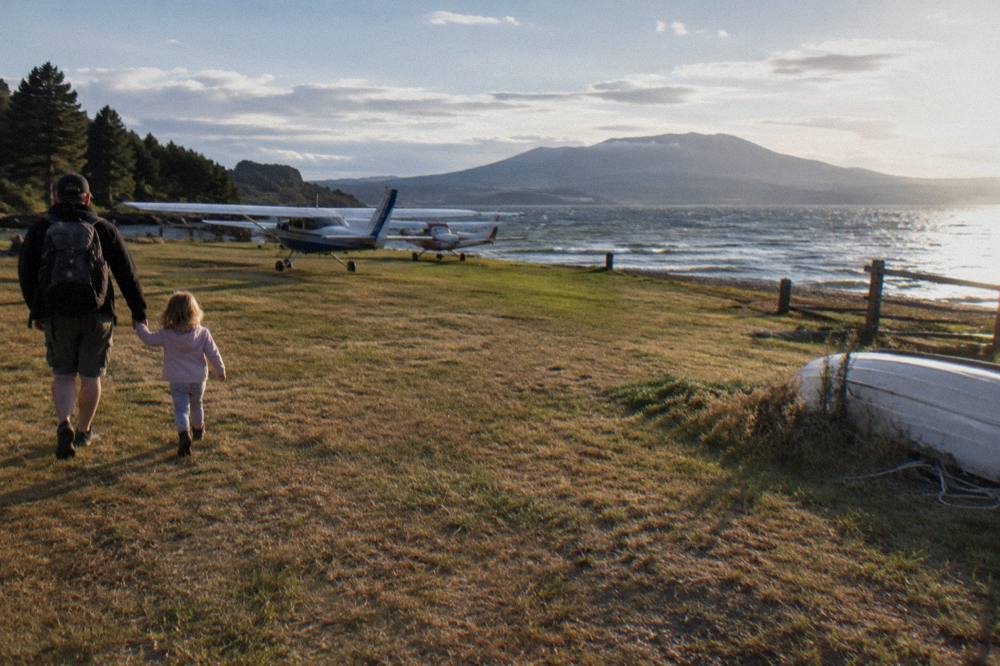
Hair is the same category. The supplied hat and the goggles both interact with long hair, and a style that keeps it contained is the practical reading of the operator's warm-and-comfortable instruction, but a firm rule about ties, braids or pins is not stated. Spectators and family members facing the same morning-of questions are covered separately in the Taupo skydive spectators and groups guide, and the operator's terms hold the detailed check-in and eligibility rules.
What Photo ID And Paperwork Do You Need To Bring?
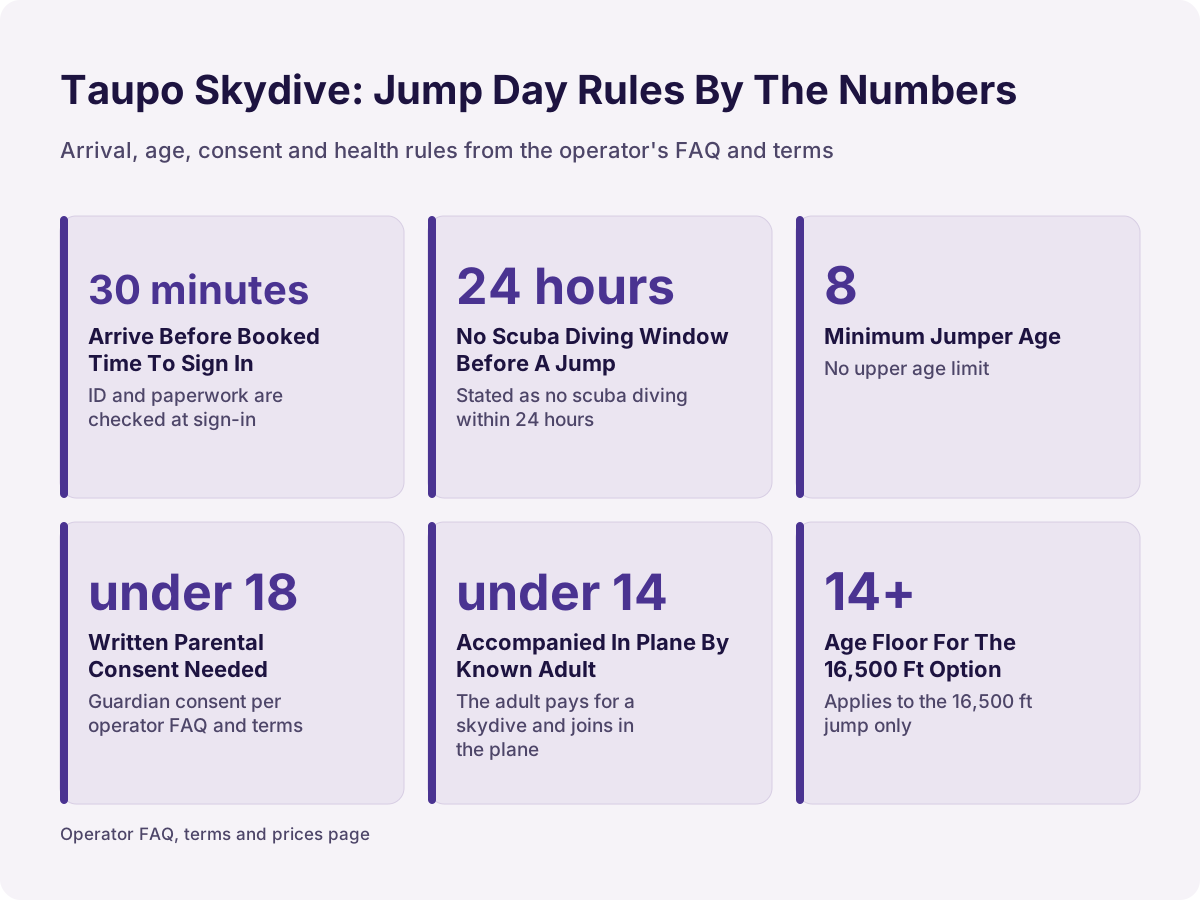
Government photo ID is required, stated in both the operator's FAQ and its terms, so a passport or driver licence goes in the bag with your warm layers. Under 18 needs written parental or guardian consent, and jumpers under 14 are individually assessed and must be accompanied in the plane by an adult they know who pays for a skydive. The 16,500 ft option is restricted to ages 14 and over.
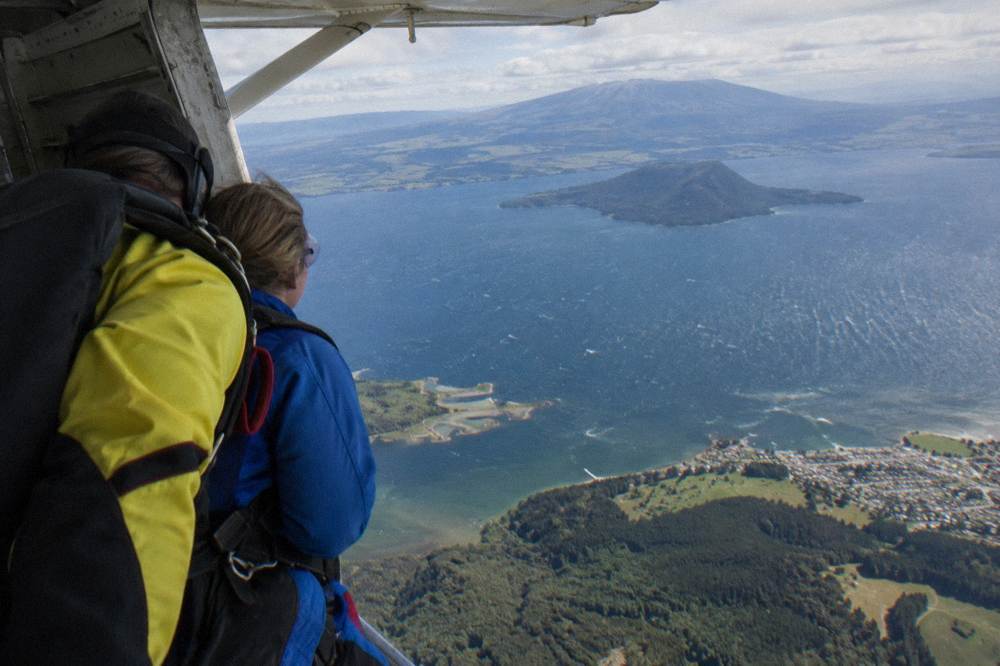
The ID requirement is easy to miss next to the clothing advice, but it is the one item that can stop a jump at sign-in rather than merely make it uncomfortable. Arrive 30 minutes before the booked time to sign in, per the operator's terms, which is when ID and paperwork are checked. The age ladder matters for families planning outfits for more than one jumper: minimum age 8, no upper age limit with the oldest jumper the operator mentions being 95, and the written consent requirement for anyone under 18. Full detail is in the Taupo skydive age limit guide, and the operator's FAQ states the age and ID lines directly.
One clothing-adjacent point belongs with paperwork: ID lives in a pocket or a bag on the ground, not in the jumpsuit, so plan for somewhere to leave valuables during the jump. Storage arrangements at the drop zone are not stated, another honest gap for the pre-jump phone call rather than a guess. Everything else covered here is indexed on Taupo Tandem Skydive.
| Requirement | Who It Applies To | Operator Source |
|---|---|---|
| Government photo ID | Every jumper | Operator FAQ and terms |
| Written parental or guardian consent | Every jumper under 18 | Operator FAQ and terms |
| Individual assessment, adult known to the child in the plane | Jumpers under 14 | Operator FAQ and terms |
| Ages 14+ only | The 16,500 ft option | Operator terms |
| No scuba diving within 24 hours | Every jumper | Operator FAQ and terms |
| No drugs or alcohol | Every jumper | Operator FAQ and terms |
| Arrive 30 minutes early to sign in | Every jumper | Operator terms |
Two of the paperwork rules carry planning consequences that are easy to overlook. The under-14 accompaniment rule means a young jumper's booking is really a two-person booking: the adult in the plane must be someone the child knows and must be paying for a skydive themselves, so a non-jumping escort who stays on the ground does not meet the requirement. The age gate on altitude splits families too, because the 16,500 ft option opens only at 14, which leaves the lower altitude options for the 8-to-13 group even where an individual assessment is passed. And since written consent applies right up to a jumper's 18th birthday, having that paperwork organized in advance of sign-in beats raising it on the day.

The health conditions listed in the table deserve the same respect as the ID itself. The scuba rule bars any dive inside 24 hours of a jump, which rules out a same-day dive-and-skydive pairing outright and makes separate days the safe pattern if both are
Does The Altitude Or Season Change What You Wear?
The operator gives one clothing instruction for all four heights and does not state temperatures in degrees for any month, so there is no stated seasonal or per-altitude dress code to follow. The four jump heights are 9,000, 12,000, 15,000 and 16,500 ft, and the jumpsuit, goggles, hat and buff are supplied at every one. Dressing for the coldest plausible hour of your visit is the only stated-principle reading.
Because no temperatures, rainfall figures or "best month" claims are stated, the season question resolves back to the same warm-and-comfortable line. What does legitimately vary is the schedule around your outfit planning: trips run hourly from 9:00 to 16:00 in winter and 8:00 to 18:00 in summer per the operator, which the operator says runs 362 days a year. A morning winter slot and a midsummer afternoon slot plausibly want different base layers, and the jumpsuit's fixed insulation does not adjust for either; the best time to skydive in Taupo guide handles the scheduling logic, and the booking pages carry the slot availability.
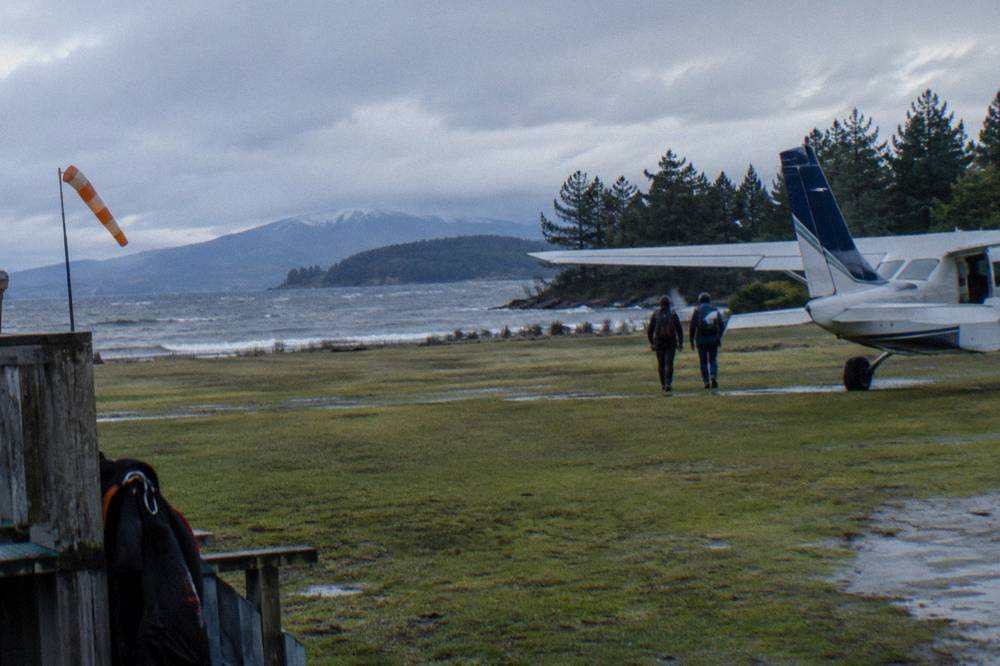
The practical layering approach follows the operator's own logic: dress so that standing outside at the drop zone for the check-in window feels comfortable, then let the supplied kit take over. Since the skydive portion runs about 30 minutes and the operator says jumpers are finished in about 2 hours, allowing 2 to 3 hours or 3 hours per its FAQ and terms, you are dressing for a morning or afternoon at an airfield, not only for the jump itself.
What Should Spectators And Companions Wear?
The operator's clothing guidance is written for jumpers, and no separate dress code for spectators is stated, so companions fall back on common sense for an airfield: warm layers and closed-toe shoes work for people on the ground too. The kit the operator supplies, jumpsuit, goggles, hat and buff, applies to jumpers only. Spectator facilities and viewing details are covered in the dedicated spectators guide.
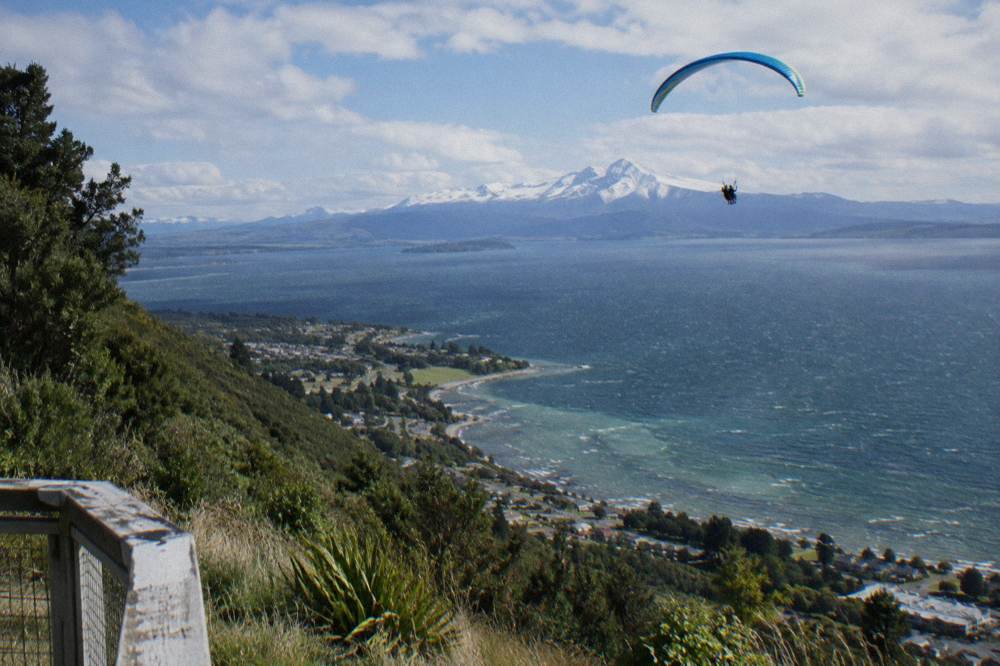
The reason this belongs in a clothing article is that most groups dress as a unit on jump morning, and the outfit mistakes that hurt are usually made by the person not jumping: thin shoes for standing on grass and tarmac, no warm layer for a wait that runs to a couple of hours. With the drop zone a short drive from town and free transport within Taupo offered by the operator, roughly 30 minutes before the booked time by stretch Hummer or minibus per the operator, spectators who come along on that transport face the same airfield conditions as jumpers.
For teenagers and family groups the age rules above shape who is actually in a jumpsuit, and the skydive Taupo with teenagers and families guide walks the consent paperwork and the under-14 accompaniment rule in detail. The clothing line for every one of those people, stated or inferred, is the same: warm, comfortable, closed-toe.
Common Mistakes When Dressing For A Taupo Skydive
The recurring mistakes are assuming the operator bans or allows items that are simply not addressed, dressing for the jump instead of the whole airfield visit, and forgetting photo ID entirely. Shorts, jewellery and hair rules are not stated anywhere by the operator, so any confident list of prohibitions you read elsewhere is invention. Warm layers, closed-toe shoes and ID in hand cover every stated requirement.
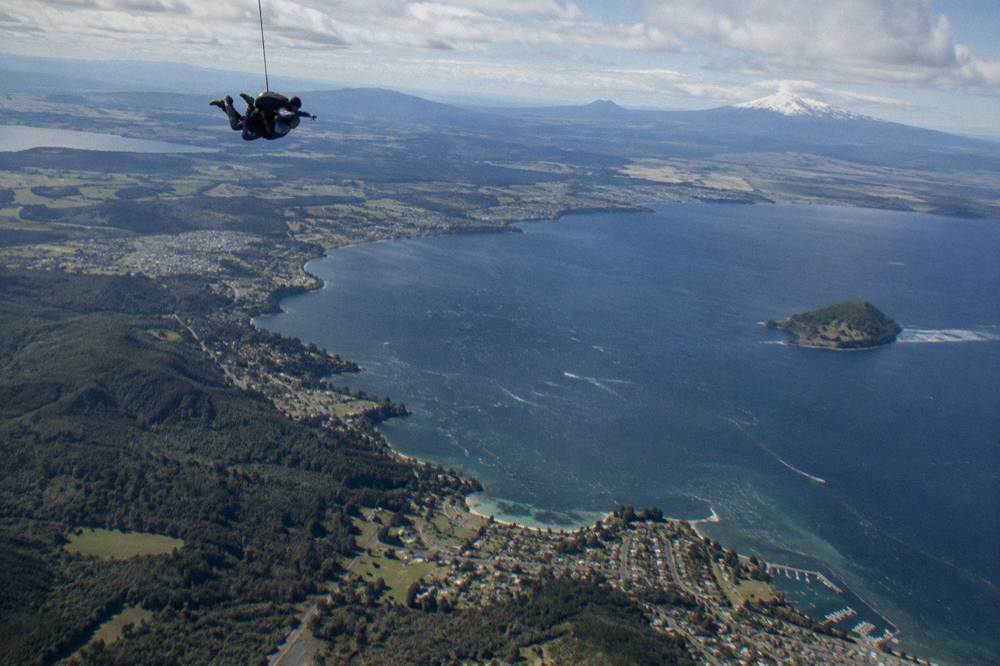
The first mistake, treating silence as a ban or a blessing, cuts both ways. Some packing lists declare jewellery absolutely forbidden; others promise shorts are fine in summer. The operator states neither, and the honest move is a 30-second call to 0800 826 336 with your specific question. The second mistake is dressing only for freefall: the operator says the skydive portion runs about 30 minutes inside a visit of about 2 hours, so the outfit that matters is the one you can sign in, brief and wait in. The third, forgetting government photo ID, is the only clothing-adjacent error that actually stops a jump.
| Mistake | Why It Bites | The Stated Fix |
|---|---|---|
| Assuming jewellery is banned or allowed | No ruling is stated | Ask the operator, 0800 826 336 |
| Dressing for the jump minute only | Visit runs about 2 hours, skydive portion about 30 minutes | Warm, comfortable clothes |
| Open-toe or slip-on shoes | Closed-toe shoes are the stated requirement | Lace-up trainers or similar |
| Leaving photo ID behind | Government photo ID is required at sign-in | Bring passport or licence |
| Skipping layers in warmer months | No temperatures stated; unheated ride to altitude | Dress warm regardless |
| Banning your own glasses needlessly | Glasses fit under the supplied goggles | Wear them as normal |
The fourth quiet mistake is treating the outfit as a reason to delay booking. The clothing bar is genuinely low, which is why the 12,000ft Tandem Skydive, rated 5.0 across 457 reviews and priced from US$194 with free cancellation up to 24 hours before, can be booked before the outfit question is fully settled. Check availability once you know your dates, then pack.
How Does The Outfit Interact With Photos And Videos?
The supplied jumpsuit, goggles, hat and buff are what the camera sees, so your own clothing shows mainly at the neck, wrists and in ground shots, and camera packages are paid NZD add-ons booked through the operator. Cameras run from NZD 25 to NZD 300, with 10% off a camera package booked online. Bright, plain base layers read better on camera than patterns, a practical observation, not an operator rule.
The camera ladder is worth knowing while you plan the outfit, because it changes what is worth wearing underneath. An Ace package is selfie HD photos from the tandem master's wrist cameras; Pro adds selfie HD video and photos; Guru uses a separate freefall camera flyer for HD video and photos; Legend adds an exit photo. Package totals including the jump run from NZD 438 for the 9,000 ft Ace up to NZD 759 for the 15,000 ft Legend. One kit interaction is stated outright: an outside freefall camera is not offered at 9,000 or 16,500 ft, where a handycam package is the option, per the operator's terms. The Taupo skydive photo and video guide covers the full ladder.
Whether a top layers well under the jumpsuit collar is the single most useful clothing decision for anyone buying photos: the goggle, buff and suit lines sit at the neck and wrists, so a collared shirt or scarf-bulk can bunch. The operator's photo and video packages page states the package contents and prices quoted here.
A Final Packing Check Before You Leave
The complete stated list is short: warm comfortable clothes, closed-toe shoes and government photo ID, with consent paperwork if anyone jumping is under 18. The operator supplies the jumpsuit, goggles, hat and neck buff, and the certificate comes with the jump. Everything else, jewellery, hair, contacts, shorts, is a not-stated question for the operator on 0800 826 336, asked before the morning rather than at sign-in.
Run the morning backwards to check the bag. Free transport within Taupo collects about 30 minutes before the booked time, or you drive to 1227 Anzac Memorial Drive yourself; either way you arrive 30 minutes early to sign in, and ID is checked there. The weather confirmation call, 30 minutes before arrival or pickup per the operator, is also the natural moment to ask any final clothing question. Payment is taken after the jump, and a weather hold means rebooking the same or a later day or cancelling free if you cannot return, so the outfit is the one thing you fully control.
Common Questions About What To Wear Skydiving In Taupo
What Should You Wear For A Taupo Skydive?
Warm, comfortable clothes and closed-toe shoes, per the operator. The jumpsuit, goggles, hat and neck buff are supplied, so your own clothing is the base layer underneath. Glasses fit under the supplied goggles, and government photo ID is required.
Does The Operator Provide The Jumpsuit And Goggles?
Yes. The operator states that a jumpsuit, goggles, hat and neck buff are supplied with every jump, and a certificate of completion and a free neck buff are included per its prices page.
Can You Skydive Wearing Glasses?
The operator's FAQ states that glasses fit under the supplied goggles. Contact lenses are not separately addressed; ask the operator on 0800 826 336 before jump day.
Can You Wear Shorts Or A Skirt Skydiving?
Not stated. The operator gives no ruling on shorts, skirts or jewellery, so treat any confident yes or no from other sources as invention and ask the operator directly.
What Shoes Should You Wear Skydiving?
Closed-toe shoes are the stated requirement. Lace-up trainers or light hiking shoes fit the instruction; sandals and slip-ons do not. No specific brand or style is stated.
Do You Need Photo ID For A Taupo Skydive?
Yes. Government photo ID is required, stated in both the operator's FAQ and its terms, and it is checked at sign-in when you arrive 30 minutes before your booked time.