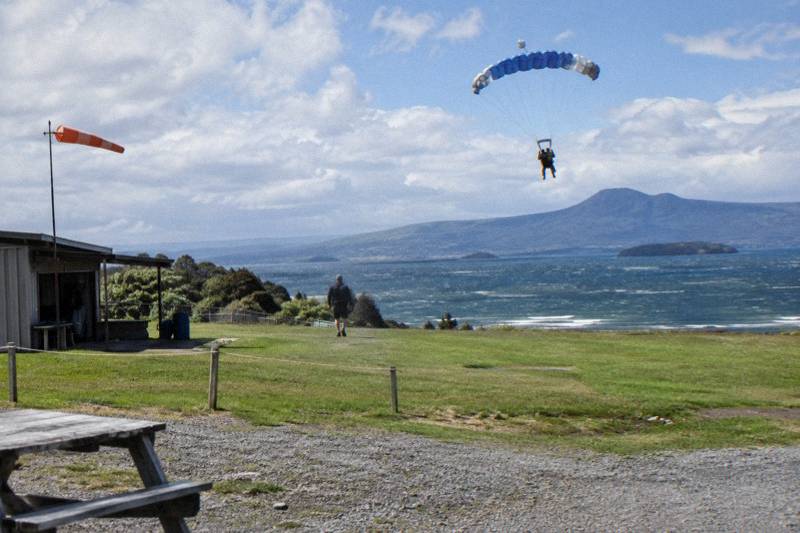
Is Skydiving In Taupo Safe? How Tandem Jumps Are Run
Safety worry is the single biggest hesitation before booking a tandem jump, and it deserves a straight answer rather than a slogan. Here is what the Taupo operator itself says about how jumps are run, what checks happen on the day, and the rules you can verify for yourself before you book.
Short answer
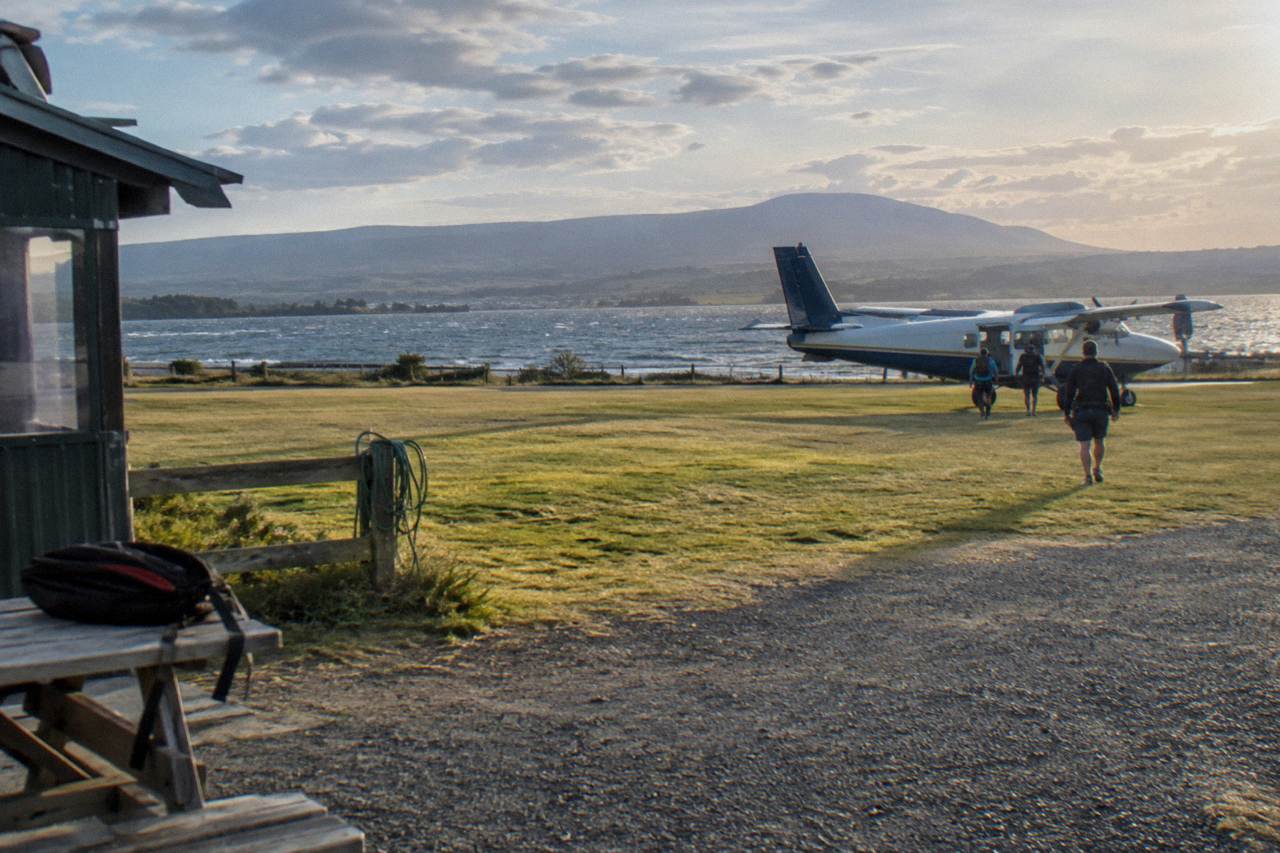
Tandem skydives in Taupo are run by one operator at Taupo Airport. The operator says the Civil Aviation Authority has certified its Safety Management System, tandem masters are tested by the NZ Parachute Industry Association, and it has run jumps for 25+ years. Rules you can check yourself include minimum age 8, photo ID, doctor first, and no scuba or alcohol.
For the wider picture on the drop zone and the experience, start with the skydiving in Taupo overview; this page stays on the safety question.
| Quick fact | What the operator states |
|---|---|
| Drop zone | 1227 Anzac Memorial Drive, Taupo Airport, about a 10 minute drive from town |
| Regulator | The operator says it is governed by the Civil Aviation Authority, which it says has certified its Safety Management System |
| Tandem masters | Tested by the NZ Parachute Industry Association, per the operator |
| Track record | The operator says 25+ years and 200,000+ jumpers |
| Minimum age | 8, with written guardian consent under 18; no upper age limit |
| Health rules | See a doctor first; no scuba diving within 24 hours; no drugs or alcohol |
| Weather policy | Rebook or cancel free if a weather hold stops your jump and you cannot return |
How Does A Tandem Jump Manage Risk For A First-Timer?
A tandem skydive puts you in a harness attached to a tandem master trained for exactly this job, and that design choice carries most of the safety weight for a beginner. You do not steer, deploy first, or handle an emergency alone; the trained jumper does. The operator says its tandem masters are tested by the NZ Parachute Industry Association, and that it has been running jumps for over 25 years.
That is the honest framing of what "safe" means here. Nobody can promise a jump will run, and this page will not either: weather decides, and the operator's own policy is built around that reality. What you can weigh instead is whether the systems around you are checked, and by whom.
The operator's description of its set-up is specific. It says it is governed by the Civil Aviation Authority, and that the Authority has certified its Safety Management System, which is the structured safety process an aviation business runs day to day. It also describes itself as a Gold Qualmark drop zone, Qualmark being New Zealand's official tourism quality programme. These are the operator's own statements, and you can read them in context on the operator's FAQ page.
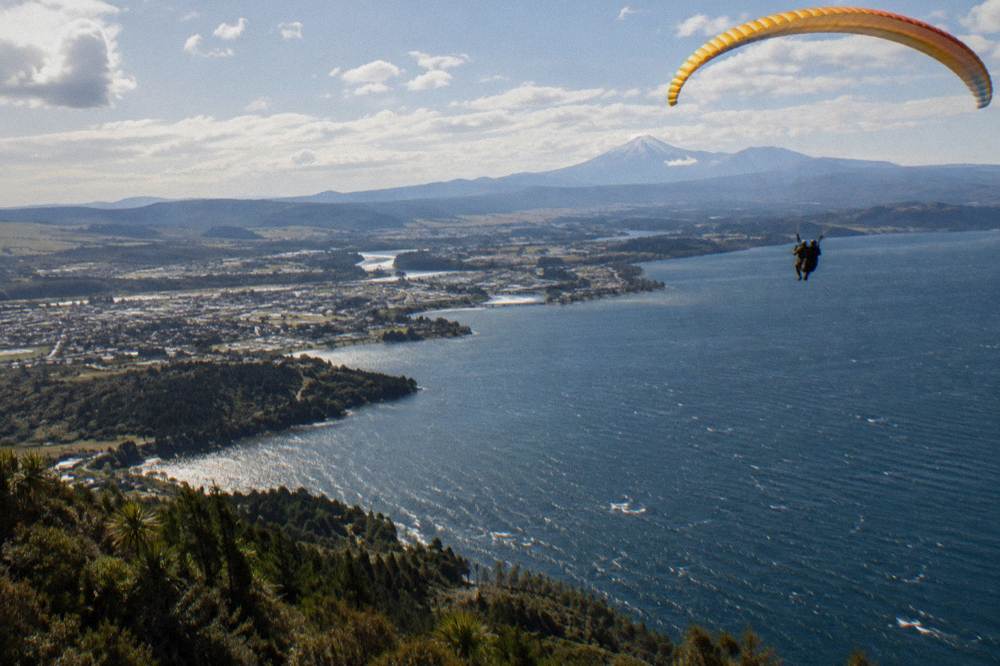
None of this eliminates risk, and no honest page would claim a statistic in either direction, because none is published here. What it does mean is that the drop zone operates inside a framework of external checks rather than on its own say-so, and that the person strapped to you has been independently tested. If you want the full first-timer walkthrough of the day itself, the what to expect guide covers it step by step.
What Does The Operator Say About Its Own Safety Set-Up?
The operator describes four pillars: Civil Aviation Authority oversight with a certified Safety Management System, Gold Qualmark status, tandem masters tested by the NZ Parachute Industry Association, and a track record of 25+ years and 200,000+ jumpers. Every one of those claims is the operator's own, and each is stated here as such rather than repeated as independent fact. That attribution matters, because a booking page that says "the safest" and a regulator that certifies a process are two different things, and only the second one counts for much.
“They have to do it. Nathan was awesome he made you feel comfortable would I do it again hell yes thank you for the experience”
Start with the regulator. New Zealand adventure aviation operates under Civil Aviation Authority rules, and the operator says the Authority has certified its Safety Management System. A Safety Management System is the documented process a drop zone uses to log incidents, review procedures and change them, so certification of it is a meaningful external check rather than a marketing line. The operator's exact wording is on its terms and conditions page, which is also where the operational rules live.
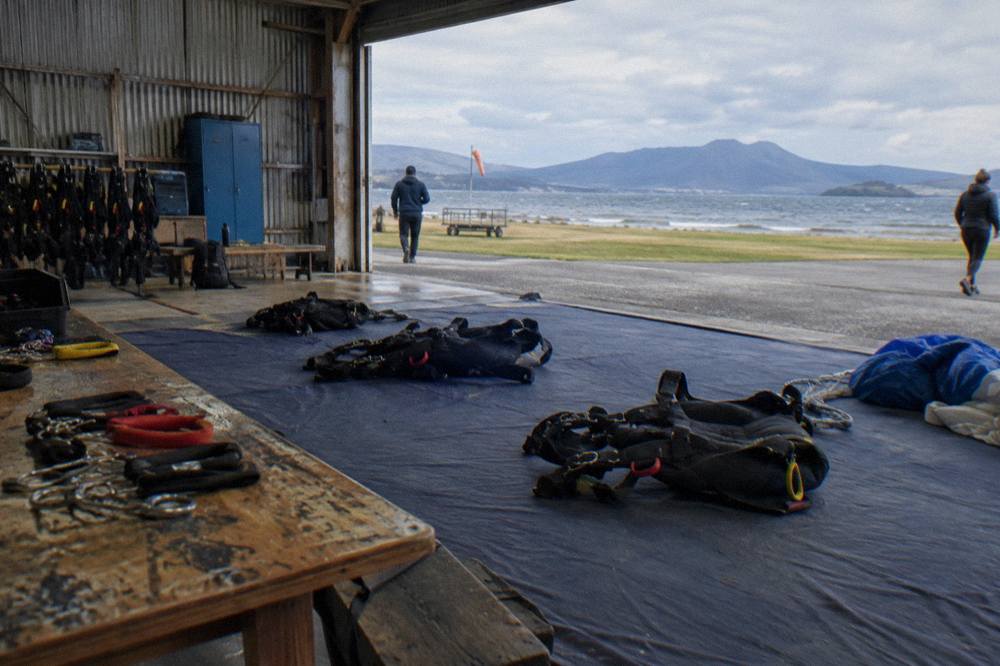
The equipment side is worth a plain look too. Every tandem jump uses a two-person harness system and a main canopy with a reserve, packed and maintained under that same oversight. The gear is supplied: jumpsuit, goggles, hat and neck buff come with the jump, and glasses fit under the goggles. If you want the detail on how the instructor and equipment pairing works, see the tandem instructor and equipment guide.
| Safety claim | Who says it | What it actually covers |
|---|---|---|
| Governed by the Civil Aviation Authority | The operator | Aviation oversight of New Zealand adventure aviation operations |
| Certified Safety Management System | The operator says the CAA certified it | A documented, reviewed safety process, not a jump-by-jump guarantee |
| Gold Qualmark drop zone | The operator | New Zealand's official tourism quality programme rating |
| Tandem masters tested by the NZ Parachute Industry Association | The operator | Independent industry testing of the instructors |
| 25+ years, 200,000+ jumpers | The operator | Longevity and volume of jumps flown |
Put together, that is a drop zone describing itself the way a checked business should: regulator, industry body, quality programme, volume. The choice of jump height does not change any of it. The 12,000ft Tandem Skydive, rated 5.0 across 457 reviews from US$194, the 15,000ft Tandem Skydive, and the Helicopter Flight, 15,000ft Skydive combo all run through the same drop zone, the same aircraft operation and the same tandem masters.
Who Is Allowed To Jump, And Who Is Not?
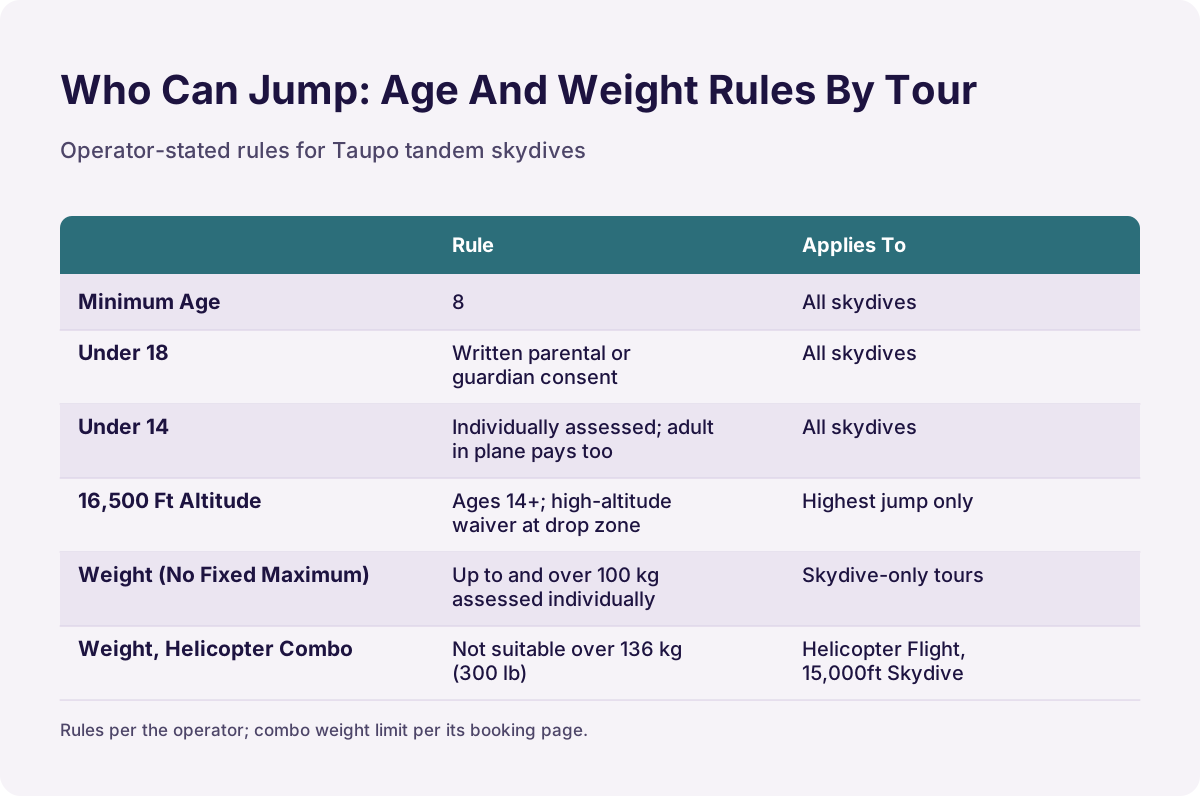
The operator's age rules are: minimum age 8, no upper age limit, written parental or guardian consent for anyone under 18, and individual assessment for jumpers under 14, who must be accompanied in the plane by a known adult who also pays for a skydive. Government photo ID is required, and the operator may decline any jump for safety reasons. None of that is negotiable on the day, so it is far better to know it before you book than at check-in.
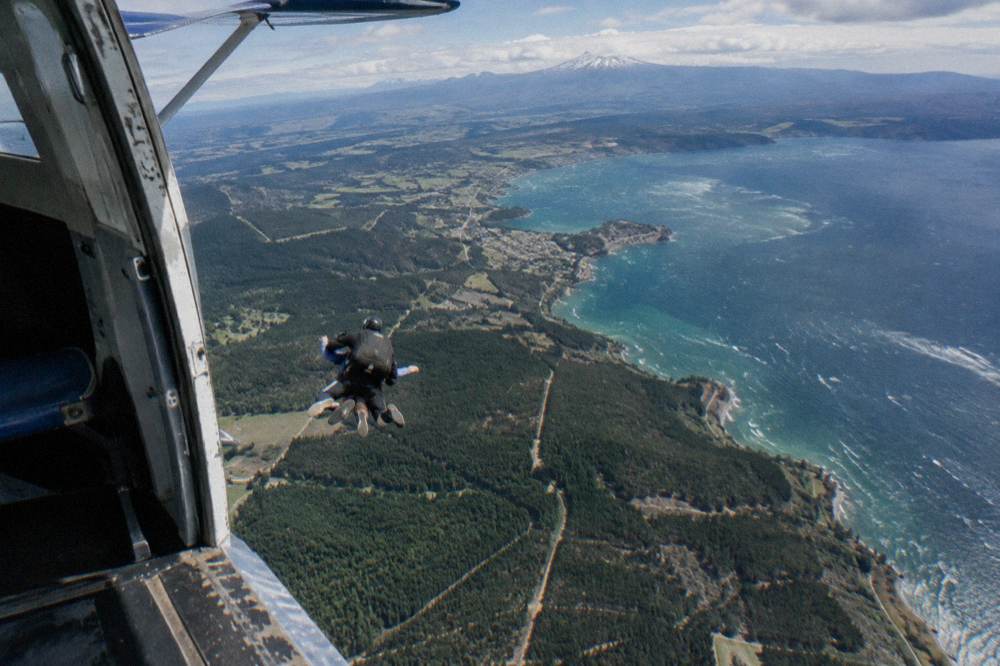
The age span is genuinely wide. The operator mentions a 95-year-old among its jumpers, which tells you the ceiling is health-based rather than number-based, and the oldest-jumper detail is the operator's own. At the other end, the under-14 rule is stricter than most people expect: it is not just consent, the child must be individually assessed and a known adult must be in the plane with them, paying for a jump of their own. The 16,500 ft altitude is restricted to ages 14+ and needs a high-altitude waiver signed at the drop zone, though the three bookable tours here do not go above 15,000 ft.
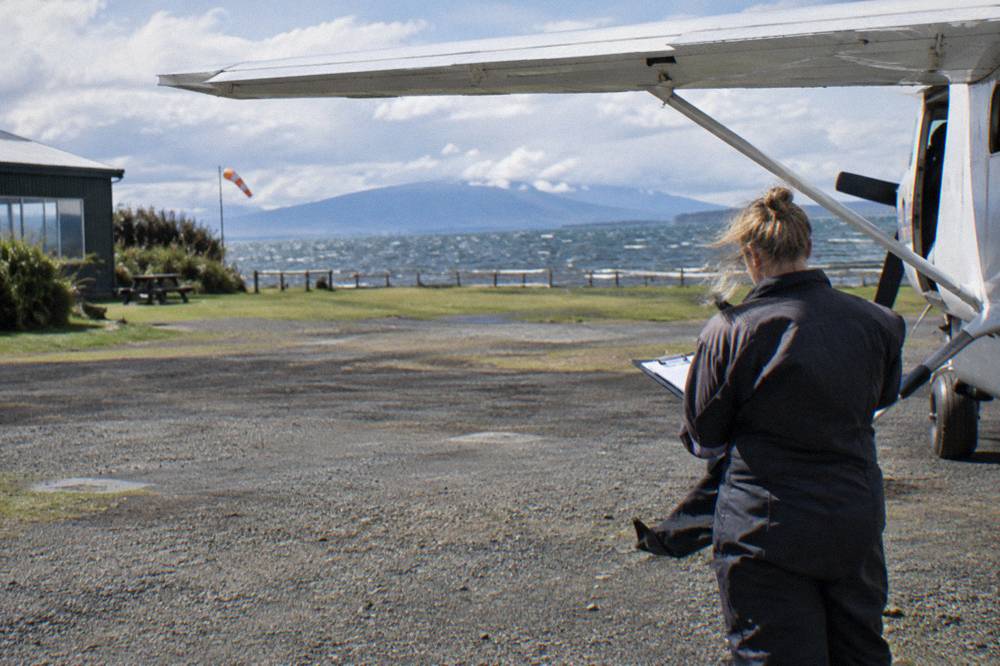
Weight is assessed, not capped by a number. The operator says limits come from equipment plus body shape and mobility, and that jumpers up to and over 100 kg are assessed individually by the Safety Officer; there is no fixed maximum and no stated surcharge for the skydive-only tours, so ask the operator directly on 0800 826 336 if this applies to you. The helicopter combo is different: its booking page says not suitable over 136 kg (300 lb), and that limit belongs to that tour alone. The blog post on whether a 300lb person can skydive goes deeper on the assessment question.
| Rule | What the operator states | Applies to |
|---|---|---|
| Minimum age | 8 | All skydives |
| Under 18 | Written parental or guardian consent | All skydives |
| Under 14 | Individually assessed; accompanied in the plane by a known adult who pays for a skydive | All skydives |
| 16,500 ft altitude | Ages 14+, high-altitude waiver signed at the drop zone | Operator's highest jump only |
| Weight | Up to and over 100 kg assessed individually by the Safety Officer; no stated fixed maximum | Skydive-only tours |
| Weight, combo | Not suitable over 136 kg (300 lb), per the combo booking page | Helicopter Flight, 15,000ft Skydive only |
| ID | Government photo ID required | All jumps |
Families weighing the decision may find the skydiving with teenagers guide useful for how the consent and assessment rules play out in practice. And if the assessment rules raise a question about your own situation, the 12,000ft Tandem Skydive's booking page carries the operator's phone line and a 24-hour free cancellation window, so asking costs nothing.
What Health Rules Apply Before You Jump?
The operator's health rules are short and firm: see a doctor first if you have any health concern, no scuba diving within 24 hours, no drugs or alcohol, and bring government photo ID. The operator may decline a jump for safety reasons. Beyond those, no condition-by-condition medical list is stated, so anything specific to you is a question for your doctor and the operator, not for a web page. That restraint is actually a good sign: a drop zone that invents blanket rules about hearts or eyes online is guessing, and this one routes the question to the people qualified to answer it.
The doctor-first instruction is the one to act on earliest. If you have a heart condition, a recent surgery, an eye issue or a pregnancy, the honest answer is that the operator states no rule for your specific case, and you should raise it with your GP and with the office on 0800 826 336 before booking. Some questions people bring to this decision are covered in more depth elsewhere, such as whether skydiving is safe for heart patients; that discussion stays general and still ends at the same place: doctor first, then the operator.
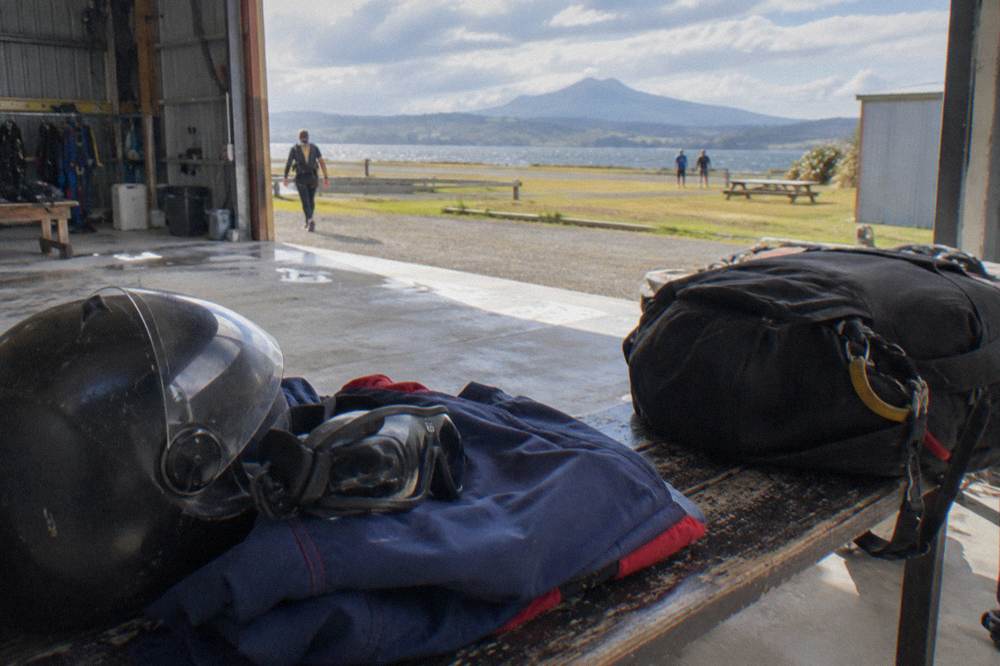
The scuba rule and the alcohol rule are two separate rules, and mixing them up causes real problems on the day. No scuba diving within 24 hours before your jump is about dissolved gas, and it is a hard window. No drugs or alcohol is about being fit to jump, full stop. If your Taupo itinerary includes diving the lake or a big night before a morning slot, plan the skydive after both windows clear, and check the eating and drinking before a skydive guide for the practical side.
A reassuring detail for glasses and contact lens wearers: the operator says glasses fit under the supplied goggles. Vision correction is not a barrier, and the goggles, hat and neck buff all come with the jump, so there is nothing extra to buy to meet the gear rules.
What Checks Happen On The Day Of The Jump?
The operator's stated day-of routine is: arrive 30 minutes before your booked time to sign in, get geared up in the supplied jumpsuit, goggles, hat and neck buff, meet your tandem master, and receive a briefing before the flight. Trips run hourly, 9:00 to 16:00 in winter and 8:00 to 18:00 in summer, and the operator says it runs 362 days a year. The whole skydive portion is about 30 minutes door to door, with the full visit finished in about 2 hours, allowing 2 to 3 hours.
“I had an amazing skydiving experience with you today, June 19, 2025! The 12,000-ft jump, professional guides, and seamless hotel pick-up and drop-off were outstanding. Thank you for an unforgettable adventure!”
Check-in is where the paperwork catches anything online booking missed. Government photo ID comes out, consent forms are signed for under-18s, and the weight and mobility assessment happens face to face with the Safety Officer for anyone at or over 100 kg. None of this is an interrogation; it is the operator's stated process, and it runs the same for every jumper regardless of which altitude was booked.
The briefing covers body position on exit and in freefall, and what the landing looks like. You practise the arch, learn where to put your legs at landing, and your tandem master handles everything else, which is the entire logic of the tandem format. The first time skydiving guide walks through the sequence in more detail for anyone who wants to rehearse it mentally first.
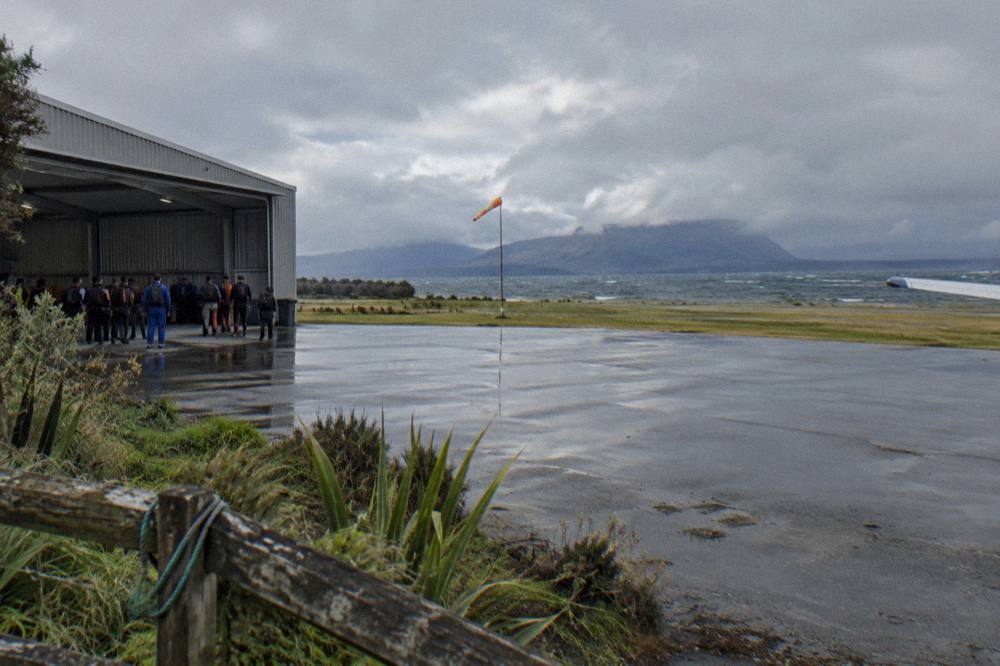
One habit worth adopting: call 30 minutes before arrival or pickup to confirm the weather. The operator explicitly asks for this, and it saves a wasted drive to Taupo Airport if clouds have other plans for the morning.
What Happens If The Weather Turns?
A weather hold does not cost you money: the operator takes payment after the jump, and a hold means you rebook the same day or a later day, or cancel free if you cannot come back. Prepaid weather cancellations may be refunded, excluding booking and card fees, and gift vouchers are not cash-refundable. That policy shape tells you something about the drop zone's incentives: it has no reason to fly in marginal conditions, because an unflown jump simply moves rather than lapses.
The fuller mechanics, including how the 24-hour free-cancellation policy interacts with a late change of heart, are laid out in the weather and cancellations guide. The short version for a safety-minded reader is that the weather call belongs to the operation, not to you, and no wind or cloud thresholds are published, so the phone call 30 minutes out is your genuine information source. The separate question of the best time of year to book is about crowds and daylight, not about safety promises.
The 15,000ft Tandem Skydive runs through exactly the same weather process as every other altitude at the drop zone, which is one reason the choice between heights is purely about experience and budget rather than about risk.
Does The Helicopter Combo Change The Safety Picture?
The Helicopter Flight, 15,000ft Skydive adds a 12-minute helicopter flight before the same 15,000 ft jump, and the helicopter part is flown by a separate helicopter company while the skydive runs through the same drop zone as every other tour. The combo booking page states its own limits: not suitable over 136 kg (300 lb), minimum 2 passengers, photos and videos included, and free cancellation 24 hours. The skydive itself, once you are at altitude, is the jump described everywhere else on this page.
The operator's combo page adds a few specifics: transport back to the helicopter base or accommodation, a free exit photo, an option to upgrade to 16,500 ft at the drop zone, and a 1pm helicopter with a 2pm skydive schedule. Those details are on the operator's combo page. The booking page gives the start point as 415 Huka Falls Road, Wairakei, which is where the helicopter side begins, not at Taupo Airport.
What changes for safety is simple arithmetic: two aircraft, two operators, one day. Both are commercial operations working under New Zealand aviation rules, and the combo's stated cancellation window of 24 hours means a change of mind before that line costs nothing either. If the double-flight format appeals, the Taupo heli and skydive combo guide unpacks the logistics in full.
What Trips People Up When Judging Skydiving Safety?
The common mistakes are treating marketing lines as regulation, merging the health rules into one vague window, and assuming the assessment rules are negotiable on the day. The operator's own safety claims are attributed, the scuba and alcohol rules are two separate rules, and the age, weight and ID thresholds are checked at sign-in rather than waived on request. People also book tight connections on jump day, forgetting that a weather hold means rebooking, which turns a safety process into a travel problem.
A short list of the traps:
- Reading "#1" or "top rated" self-descriptions as an external ranking. The only printable rating here belongs to the 12,000ft Tandem Skydive: 5.0 across 457 reviews, and the combo is new with no rating at all.
- Diving the lake the morning of an afternoon jump. The 24-hour no-scuba rule is absolute and separate from the no-alcohol rule.
- Assuming a weight number. The skydive-only tours assess at 100 kg and over; only the combo booking page states a hard limit, 136 kg (300 lb).
- Skipping the doctor conversation because a booking confirmation arrived. The operator's advice is to see a doctor first, and it may decline a jump for safety.
- Leaving photo ID at the hotel. It is required at check-in, and the drive back is about 10 minutes each way.
The pattern behind all five is the same: the safety system only works if the information reaching it is true and complete. Give the operator accurate answers at booking, bring the ID, keep the 24-hour windows clear, and the checks do their job.
Common Questions About Skydiving Safety In Taupo
Is Skydiving In Taupo Safe?
One operator runs every tandem jump covered here from Taupo Airport, and it says the Civil Aviation Authority has certified its Safety Management System and that the NZ Parachute Industry Association tests its tandem masters. No accident or injury statistics are published, so judge the set-up on its checks rather than on a slogan, and follow the health rules: doctor first, photo ID, and no scuba or alcohol within 24 hours.
Is A Tandem Skydive Safer Than Going Solo?
For a first-timer, a tandem jump puts a tested tandem master in charge of the exit, the freefall position, the deployment and the landing, which is the whole point of the format. The operator says its tandem masters are tested by the NZ Parachute Industry Association. Going solo requires a training course, so the comparison is not really one a first-time visitor faces.
Who Is Not Allowed To Skydive?
Per the operator: anyone under 8, anyone under 18 without written guardian consent, anyone who has scuba dived or consumed alcohol or drugs within the stated windows, and anyone the Safety Officer or a doctor rules out on the day. The 16,500 ft altitude is ages 14+. Specific medical conditions have no stated rule; ask the operator on 0800 826 336 and your doctor.
What Happens If The Weather Cancels My Jump?
The operator takes payment after the jump, and a weather hold means you rebook the same day or a later day, or cancel free if you cannot return. Prepaid weather cancellations may be refunded excluding booking and card fees, and gift vouchers are not cash-refundable. Call 30 minutes before arrival or pickup to confirm conditions.
Is There A Weight Limit For Skydiving In Taupo?
The skydive-only tours state no fixed maximum: jumpers up to and over 100 kg are assessed individually by the Safety Officer, based on equipment plus body shape and mobility, with no surcharge stated. The helicopter combo booking page separately says not suitable over 136 kg (300 lb), and that limit applies to that tour alone.
Can You Skydive With Glasses Or Contact Lenses?
Yes. The operator says glasses fit under the supplied goggles, and goggles, jumpsuit, hat and neck buff all come with the jump. Nothing extra needs to be bought to meet the gear requirements.
The honest summary is that the operator runs a drop zone that describes itself in checkable terms: a regulator, an industry body, a quality programme and a quarter century of jumps. Your part is the part you control, the doctor conversation, the honest answers, the clear 24-hour windows and the photo ID in your pocket on the day.