Is Skydiving In New Zealand Worth It?
An honest value breakdown of a New Zealand tandem skydive using real Taupo prices, freefall seconds, time commitment and weather rules.
Yes, for most people who ask the question, and the case rests on what a Taupo jump actually costs and delivers: a tandem skydive from 12,000 ft at NZD 329, with almost 40 seconds of freefall, finished in about 2 hours from sign-in to landing. Whether that feels worth it depends on three things you can check in advance: the price of the altitude you pick, the time the whole outing takes, and your tolerance for weather risk. The value question is best answered with real figures rather than enthusiasm, so this page works through the Taupo operator's own numbers: the four-altitude price ladder, the camera packages, the freefall seconds at each height, and the cancellation rules that protect your money if the sky misbehaves.
For a tandem jump over Lake Taupo, the arithmetic favours yes: NZD 329 buys a 12,000 ft jump with almost 40 seconds of freefall and a certificate, and the whole visit takes about 2 hours, so the cost per minute of genuine novelty is hard to match with any other activity on the same day. The stronger version of the argument is the 15,000 ft jump at NZD 379, where the operator says freefall runs almost 60 seconds, for NZD 50 more. Against that stand two honest frictions: the weather can stop any jump on any day, and the camera packages that most people end up wanting push the total up, from NZD 538 for the 15,000 ft Ace package upward. Worth it, in short, if you book the altitude you actually want and treat the photos as a decision made in advance rather than on the day.
The question usually hides a comparison. A day trip costs money too, and a skydive compresses into a morning: the operator runs trips hourly, 9:00 to 16:00 in winter and 8:00 to 18:00 in summer, and says it operates 362 days a year. You arrive 30 minutes before your booked time to sign in, the skydive portion itself takes about 30 minutes, and the operator says you are finished in about 2 hours, though its FAQ suggests allowing 2 to 3 hours. That leaves the rest of the day for Huka Falls, the lake, or nothing at all.
Money is taken after the jump, which quietly answers one of the biggest "worth it" worries: you are not paying upfront on the day and losing it to a cloud bank. If weather holds the jump, you rebook the same day or a later day, or cancel free if you cannot come back. Prepaid weather cancellations may be refunded, excluding booking and card fees, and gift vouchers are not cash-refundable. The Taupo Tandem Skydive operator states all of this on its FAQ and terms pages, which is worth reading before rather than after you book.
If the decision is basically made and you only want to see the options side by side, here are the three bookable Taupo tours:
The featured option, the 12,000ft Tandem Skydive, is the one with the printed track record: rated 5.0 across 457 reviews, from US$194 per person, with free cancellation up to 24 hours before. It is a fair default if you have never jumped and want the standard experience with a paper trail behind it. If you are leaning toward more altitude, the 12,000 versus 15,000 ft comparison breaks the two heights down in detail.
What Does The Money Actually Buy?
The core purchase is a tandem jump from your chosen altitude with a certificate of completion and a free neck buff included, and the operator's skydive-only ladder runs NZD 279 at 9,000 ft, NZD 329 at 12,000 ft, NZD 379 at 15,000 ft and NZD 529 at 16,500 ft per person. Each step up buys more freefall: the operator states almost 40 seconds at 12,000 ft, almost 60 seconds at 15,000 ft, and over 70 seconds at 16,500 ft. The jump from the lowest rung to 12,000 ft costs NZD 50; from 12,000 to 15,000 ft, another NZD 50; the leap to 16,500 ft costs NZD 150 more than 15,000 ft and carries extra conditions, including a minimum age of 14 and a high-altitude waiver signed at the drop zone.
Here is the full ladder as the operator publishes it, with the camera-inclusive package prices alongside:
| Altitude | Skydive only (NZD) | Ace package (NZD) | Pro package (NZD) | Guru package (NZD) | Legend package (NZD) | Freefall, operator-stated |
|---|---|---|---|---|---|---|
| 9,000 ft | 279 | 438 | 478 | not offered | not offered | not stated by the operator |
| 12,000 ft | 329 | 488 | 528 | 608 | not offered | almost 40 seconds |
| 15,000 ft | 379 | 538 | 569 | 658 | 759 | almost 60 seconds |
| 16,500 ft | 529 | 688 | 719 | not offered | not offered | over 70 seconds |
Two lines on that table deserve a second look. First, at 15,000 ft the step from Pro (selfie HD video and photos) to Guru (a separate camera flyer capturing freefall HD video and photos) is where the package total climbs from NZD 569 to NZD 658, and the Legend tier adds selfie video and an exit photo on top of Guru, bringing the package to NZD 759. Second, the outside freefall camera is not offered at 9,000 or 16,500 ft at all; a handycam package is. That is a real constraint on the 16,500 ft purchase, because the most cinematic footage option does not exist at that height. The photo and video guide explains each package and what it captures.
The booking fee side is small but real: a 15 percent surcharge applies to the skydive on New Zealand public holidays, though not to photo or video, and a 1.5 percent credit-card surcharge applies. Every jump includes the certificate and the neck buff, and 15,000 ft and higher packages get 50 percent off a T-shirt. None of these extras change the core value question, but they belong in an honest total.
A note on currency, because this trips people up: the 12,000ft Tandem Skydive tour shows "from US$194" on its own booking page, and that figure belongs to that tour alone. It is not a conversion of the NZD ladder and no other USD amount exists anywhere in the operator's pricing. Treat the NZD figures as the working numbers for planning.
Is The Freefall Long Enough To Justify The Price?
At 12,000 ft the operator promises almost 40 seconds of freefall, at 15,000 ft almost 60 seconds, and the gap between those two experiences costs NZD 50, which is the single cheapest upgrade in the whole price structure. Forty seconds is not short; it is long enough for the initial rush, the moment the view registers, and several seconds of actually looking at Lake Taupo rather than just surviving. Sixty seconds is meaningfully longer again, long enough that the operator sells it as its standard higher option. Only you can say whether NZD 50 is worth 20 more seconds, but on a per-second basis it is the best value increment on the ladder.
The step to 16,500 ft is different in kind. It costs NZD 150 more than 15,000 ft, adds over 70 seconds of freefall, and the operator describes the height as its highest jump, "nearly 18,000 ft above sea level". That last phrase is the operator's own claim, not a conversion: 16,500 ft is the exit altitude. The height also carries its conditions: ages 14 and over, a high-altitude waiver signed at the drop zone, and the operator says it may adjust the exit height slightly on the day. For most first-timers the 15,000 ft jump is the sensible ceiling of ambition.
There is a third way to spend more, and it is the one people underestimate. The Helicopter Flight, 15,000ft Skydive combo pairs a 12-minute helicopter flight with the 15,000 ft jump, from NZ$599 per person with a minimum of 2 passengers, photos and videos included per the booking page, plus a free exit photo from the operator. Whether that is worth it is a separate question from the skydive itself; the heli and skydive combo guide works through it.
Whichever altitude is calling, it is worth deciding the camera question before you stand in the hangar, where the decision is emotional rather than financial. Cameras run from NZD 25 up to NZD 300 as add-ons, the operator offers 10 percent off a camera package booked online, and the media arrives by email as a link. The certificate and neck buff come with every jump regardless.
What Does The Whole Experience Take Out Of Your Day?
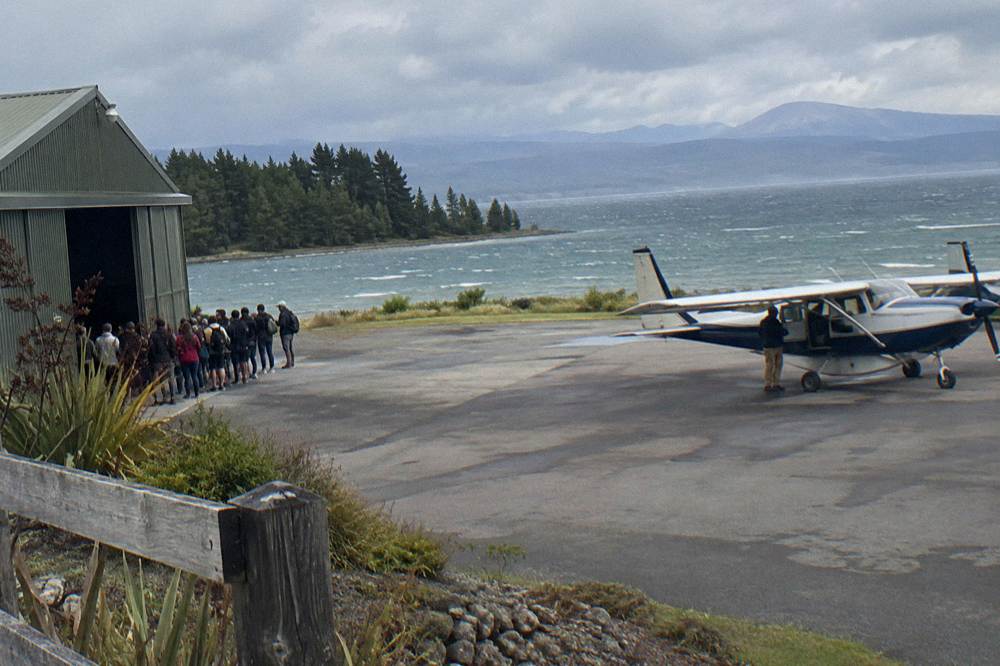
Expect the whole experience to take roughly two to three hours out of your day. The skydive itself lasts only about 30 minutes, but plan on around 2 hours door to door at the drop zone, with the operator's FAQ suggesting you allow 2 to 3 hours and its terms stating 3 hours. That is a small claim on an itinerary by activity standards, and it is the quiet reason a skydive competes so well against full-day excursions on a New Zealand trip. You arrive 30 minutes before your booked time to sign in, and if you are using the free transport within Taupo, the stretch Hummer or minibus collects you about 30 minutes before your slot. Add the drive: the drop zone sits at 1227 Anzac Memorial Drive, Taupo Airport, which the operator calls "just a 10 minute drive from town". For a day that also includes other plans, a morning jump leaves the afternoon intact.
That time budget matters for the worth-it question more than most people expect. A full-day activity competes with everything else on a New Zealand itinerary; a 2 to 3 hour commitment competes with a long lunch. Trips run hourly, 9:00 to 16:00 in winter and 8:00 to 18:00 in summer, so a weather hold early in the day often still leaves a same-day rebooking slot open. The operator's own advice is to call 30 minutes before arrival or pickup to confirm the weather, which is a habit worth adopting.
Nothing else about the timing is stated by the operator, and it is safer not to build expectations around numbers no one has published. There is no stated flight-to-altitude time, no stated canopy descent time, and the 9,000 ft freefall seconds are not printed because the operator's own page gives conflicting figures. What you can bank is the operator-stated total: finished in about 2 hours, per the FAQ. If your day has a hard stop after the jump, book the earlier slot.
What If The Weather Cancels Your Jump?
If weather cancels your jump, you lose nothing: the operator only takes payment after the jump, so a weather hold costs you no money. When the sky shuts down, you can rebook for later the same day or a different day, and if you cannot come back, you can cancel free of charge. That single policy is what keeps the worth-it question honest, because the nightmare scenario, paying in full and never leaving the ground, is exactly the one the operator has designed against. Prepaid weather cancellations may be refunded, excluding booking and card fees, and gift vouchers are not cash-refundable; a refund comes via the operator if you prepaid direct, otherwise via the booking agent. The 24-hour free-cancellation window handles changes of mind, while weather is treated generously throughout.
The cancellation clock matters too. The 12,000ft Tandem Skydive carries free cancellation up to 24 hours before, and the operator's general policy is the same; later cancellation or a no-show may be charged in full. The combo booking page also shows free cancellation 24 hours ahead for that product. Weather is treated generously; a change of mind is not.
No wind speed or cloud thresholds are published, so there is no way to game the forecast with a number. The practical version of weather planning is the operator's own: call 30 minutes before you leave, keep part of the following day loose if you can, and book earlier slots in the day so a hold still leaves rebooking room. The weather and cancellations guide covers the full policy, and the operator's own FAQ page states the payment-after-the-jump rule in its own words.
One honest caveat on scheduling: the operator says it operates 362 days a year, which means three days it does not. Dates are not defined on the page, so if you are in Taupo for a single day only, checking open days by phone (0800 826 336) before locking the rest of the itinerary is cheap insurance.
Who Should Skip It, Or Rethink The Booking?
A small set of people should not book at all: anyone who has scuba dived within 24 hours, anyone under the influence of drugs or alcohol, and anyone a doctor has told to avoid the activity, since the operator says to see a doctor first and may decline a jump for safety. Age is barely a barrier at the bottom end: the minimum is 8, there is no upper age limit and the operator mentions a 95-year-old jumper, though anyone under 18 needs written parental or guardian consent, and under-14s are individually assessed with an accompanying adult in the plane. The operator's terms and conditions carry the full eligibility wording.
Weight is handled case by case rather than by a fixed cutoff. The operator says limits come from equipment plus body shape and mobility, that jumpers up to and over 100 kg are assessed individually by the Safety Officer, and to contact the office if over 100 kg; no maximum and no surcharge figure is stated, so print neither. The one hard number belongs to the helicopter combo alone, whose booking page says not suitable over 136 kg (300 lb); that limit does not apply to the skydive-only tours. If weight is part of your question, the skydive weight limit guide covers it in full.
Then there is the honest middle group: people who want to jump but are choosing between this and something else in the budget. For them the decision usually comes down to altitude and camera. Booking 12,000 ft with no camera is the cheapest genuine experience at NZD 329; adding the Guru package at 15,000 ft (NZD 658 total) more than doubles the price of the memory but keeps the footage. There is no wrong answer, only one made on the day at premium emotion rather than at home with the table above.
The 15,000ft Tandem Skydive sits in the middle of that decision for a reason: the operator's price for the 15,000 ft jump is NZD 379 with freefall of almost 60 seconds, and its rating, review count, duration and booking-page price are not stated, so ask the operator directly on 0800 826 336 about anything the page does not cover. That gap is worth naming once and moving past; the jump itself is the same operator, the same drop zone and the same tandem master arrangement as the 12,000 ft tour.
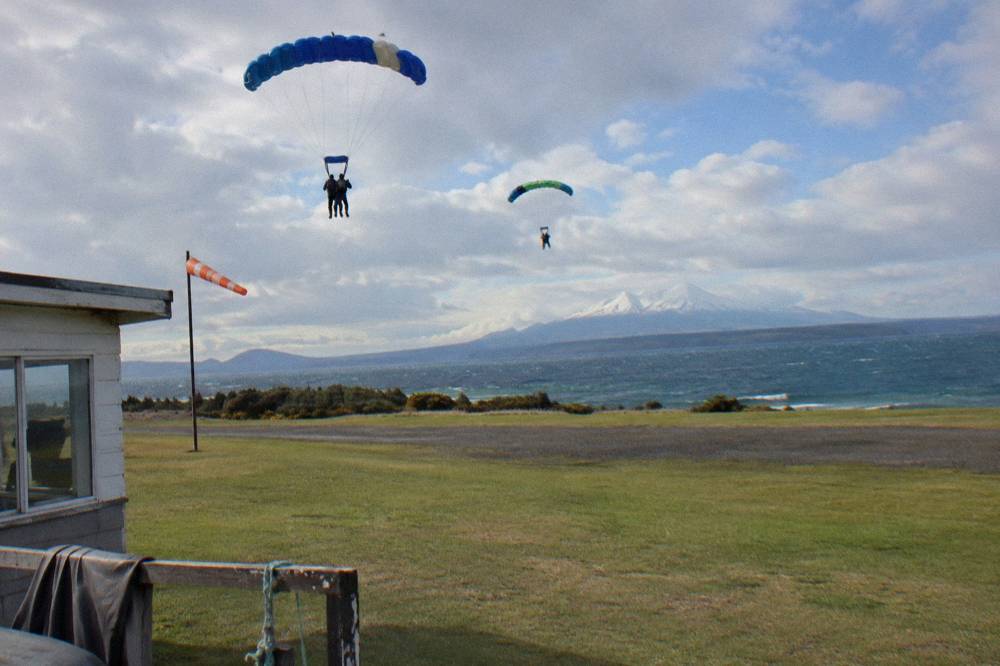
What Trips People Up When Judging The Value?
The most common mistake is comparing the bare jump price against a package price and calling the jump expensive, when the real comparison is NZD 329 for the jump versus NZD 488 and up once a camera is included; the second is booking late in the day with no slack, which turns a routine weather hold into a lost jump. A third trips people who book near a public holiday without noticing the 15 percent skydive surcharge, and a fourth forgets the 24-hour cancellation deadline and treats a change of plan as a refundable one. None of these are hidden fees; all of them are published, and all of them are cheaper to handle before booking than after.
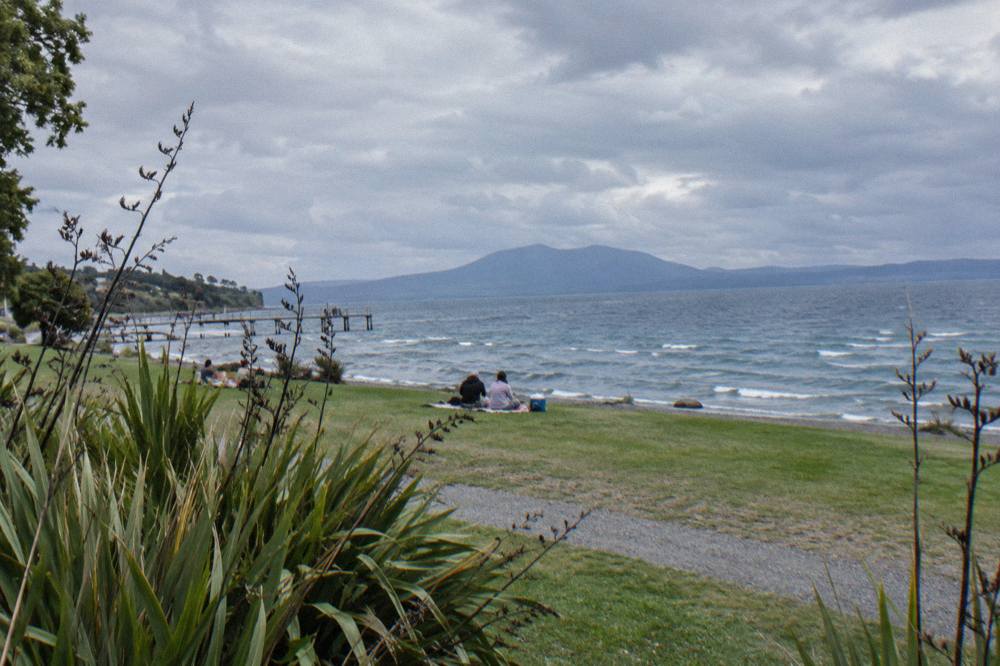
The helicopter combo deserves its own caution in the value conversation: its total duration is not stated anywhere, only that the flight is 12 minutes followed by the 15,000 ft jump. Anyone stacking the combo against a tight afternoon should ask the operator for a realistic window before booking. And if the question is really "is this the right place in New Zealand to jump", other towns have their own operators and their own pricing, and the honest comparison for Taupo lives in the Taupo versus Queenstown skydive guide, not in invented national figures.
So: is skydiving in New Zealand worth it? On the Taupo numbers, a 12,000 ft jump at NZD 329 with almost 40 seconds of freefall, a same-day-friendly time commitment, payment after the jump and a free-cancellation window is a defensible yes for almost anyone medically cleared. The 15,000 ft option at NZD 379 is the better yes for NZD 50 more. The only wrong purchase is the unexamined one: an altitude chosen at random and a camera decision left until the ground.
Common Questions About Skydiving In New Zealand
Is Skydiving In New Zealand Worth It?
On the Taupo figures, yes for most people: a 12,000 ft tandem jump costs NZD 329 with almost 40 seconds of freefall, takes about 2 hours all up, and payment is taken after the jump, with free cancellation up to 24 hours before on the 12,000ft Tandem Skydive tour. The 15,000 ft jump at NZD 379 adds roughly 20 seconds of freefall for NZD 50 more.
How Much Does A Tandem Skydive Cost In Taupo?
The operator's skydive-only ladder is NZD 279 at 9,000 ft, NZD 329 at 12,000 ft, NZD 379 at 15,000 ft and NZD 529 at 16,500 ft per person. Camera-inclusive packages run from NZD 438 (9,000 ft Ace) to NZD 759 (15,000 ft Legend). A 15 percent surcharge applies to the skydive on NZ public holidays, and a 1.5 percent credit-card surcharge applies.
How Long Does The Whole Thing Take?
The operator says you are finished in about 2 hours, its FAQ suggests allowing 2 to 3 hours and its terms say 3 hours; the skydive portion itself is about 30 minutes. Arrive 30 minutes before your booked time to sign in, and if using the free Taupo transport, the shuttle collects about 30 minutes before your slot.
What Happens If The Weather Cancels The Jump?
Payment is taken after the jump. A weather hold means you rebook the same day or a later day, or cancel free if you cannot return; prepaid weather cancellations may be refunded excluding booking and card fees, and gift vouchers are not cash-refundable. Call 30 minutes before arrival or pickup to confirm the weather.
Is The 15,000 Ft Jump Worth The Extra Money?
The operator states almost 60 seconds of freefall at 15,000 ft versus almost 40 seconds at 12,000 ft, for NZD 50 more, which makes it the cheapest per-second upgrade on the ladder. The 16,500 ft jump at NZD 529 adds over 70 seconds but carries a minimum age of 14, a high-altitude waiver, and no outside freefall camera option.
Do The Photos Cost Extra?
Yes, on the skydive-only tours. Cameras run from NZD 25 up to NZD 300 as add-ons, with 10 percent off a camera package booked online, and media is emailed as a link. The helicopter combo is different: its booking page says photos and videos are included, and the operator adds a free exit photo.