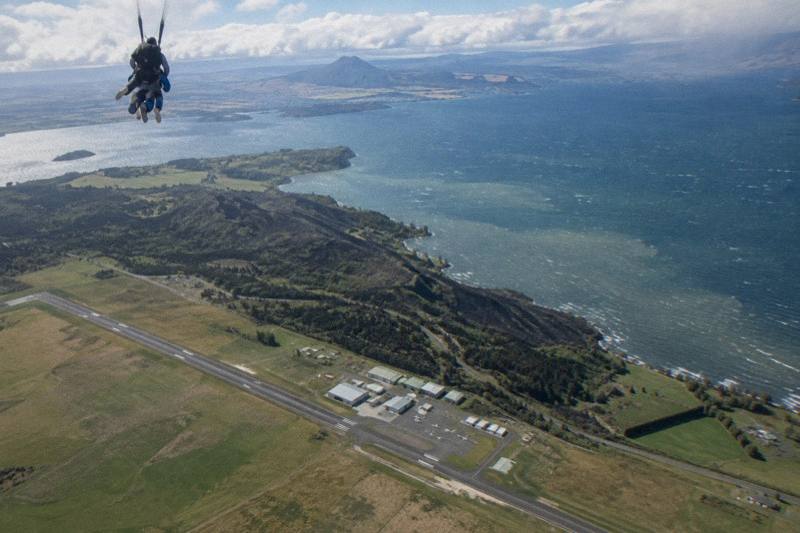
Is A 15000 Ft Skydive High?
A 15,000 ft tandem skydive sits near the top of the Taupo operator's four-height ladder, with almost 60 seconds of freefall. Here is what that altitude really means.
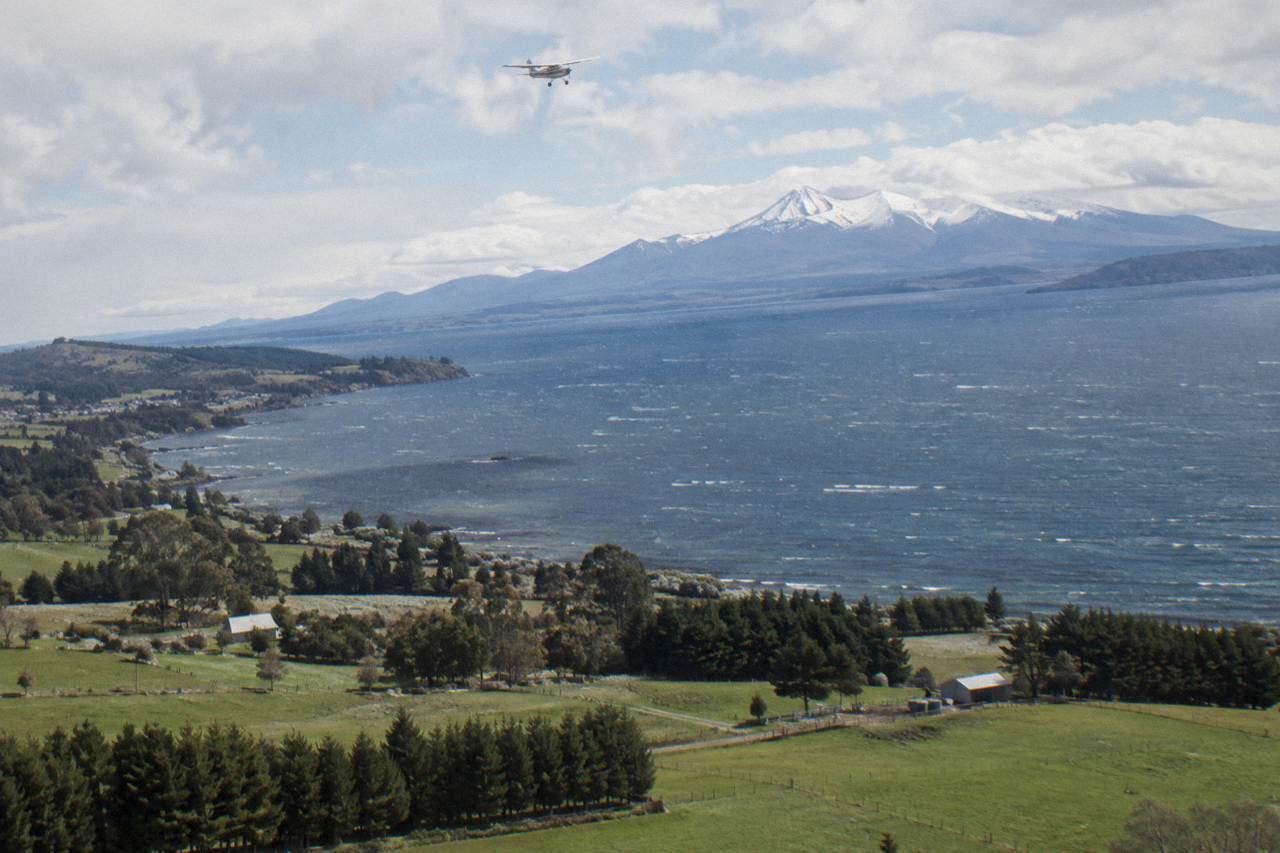
Yes, by any everyday measure a 15,000 ft skydive is high. It is the third of four heights the Taupo operator offers (9,000, 12,000, 15,000 and 16,500 ft), the operator states almost 60 seconds of freefall for it, and only its own 16,500 ft jump goes higher. The honest nuance is that "high" is relative: in skydiving terms 15,000 ft sits comfortably in the upper-middle of what a first-time tandem jumper can book, and the exit altitude is measured from the airfield, not from the lake shore.
A 15,000 ft exit is roughly three times the altitude of the surrounding terrain's everyday reference points, but no distance or comparison beyond the operator's own figures can be stated here, so this page sticks to what the operator says. The core facts are simple. Four heights exist on the ladder. Freefall at 12,000 ft is almost 40 seconds; at 15,000 ft almost 60 seconds; at 16,500 ft over 70 seconds. Those three numbers are the whole argument for paying more for altitude, and this page works through what they mean in practice.
Where 15,000 Ft Sits On The Altitude Ladder
At 15,000 ft, you are choosing the second-highest of the four rungs on Taupo's altitude ladder. The operator offers exactly four heights: 9,000, 12,000, 15,000 and 16,500 ft. That places 15,000 ft one step below the top of the 16,500 ft maximum, and a full 6,000 ft above the 9,000 ft entry-level jump. Fifteen thousand feet is the second-highest, and the operator describes 16,500 ft as its highest jump, "nearly 18,000 ft above sea level" in its own words. There is no fifth rung, and no taller option can be booked at this drop zone. So a 15,000 ft booking places you one step from the ceiling of what this operator sells.
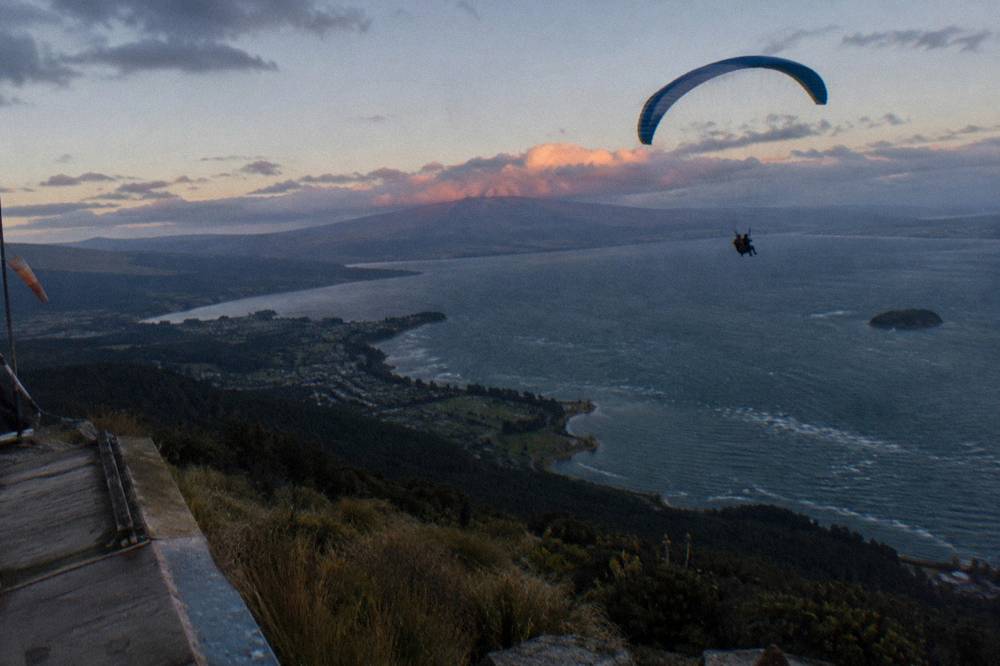
The ladder is not evenly spaced in either money or freefall. Going from 12,000 to 15,000 ft adds roughly twenty seconds of freefall for NZD 50 more on the operator's skydive-only pricing, while the jump from 15,000 to 16,500 ft adds roughly another ten seconds for NZD 150 more. That steepening curve is normal across the industry: the aircraft needs more time climbing, and the marginal minute of altitude costs more to buy than the one before it.
| Height | Freefall (operator-stated) | Skydive-only price (NZD, per person) | Notes from the operator |
|---|---|---|---|
| 9,000 ft | Not stated | NZD 279 | No separate tour page of its own |
| 12,000 ft | Almost 40 seconds | NZD 329 | The bookable 12,000ft Tandem Skydive tour |
| 15,000 ft | Almost 60 seconds (up to 60) | NZD 379 | The bookable 15,000ft Tandem Skydive tour |
| 16,500 ft | Over 70 seconds | NZD 529 | Ages 14+, high-altitude waiver at the drop zone |
The operator's prices page carries that full ladder, and it is worth reading alongside the tour pages because the two bookable tour pages do not each restate the whole table. If you want the deeper background on how the altitudes compare, the companion guide on how high a Taupo skydive goes works through the same ladder in more detail.
What Almost 60 Seconds Of Freefall Actually Means
Almost 60 seconds is the operator's own figure for a 15,000 ft freefall, and it is roughly half again what a 12,000 ft jump delivers. In real terms, that is close to a full minute of continuous falling: long enough for the initial shock to fade, for the body to settle into the rush of wind, and for the strange calm of sustained freefall to take hold before the canopy opens. The operator prints "almost 60 seconds" and, elsewhere, "up to 60" for this height, so treat it as approaching a full minute rather than promising one. No freefall speed in km/h or mph is stated by the operator, and none is invented here.
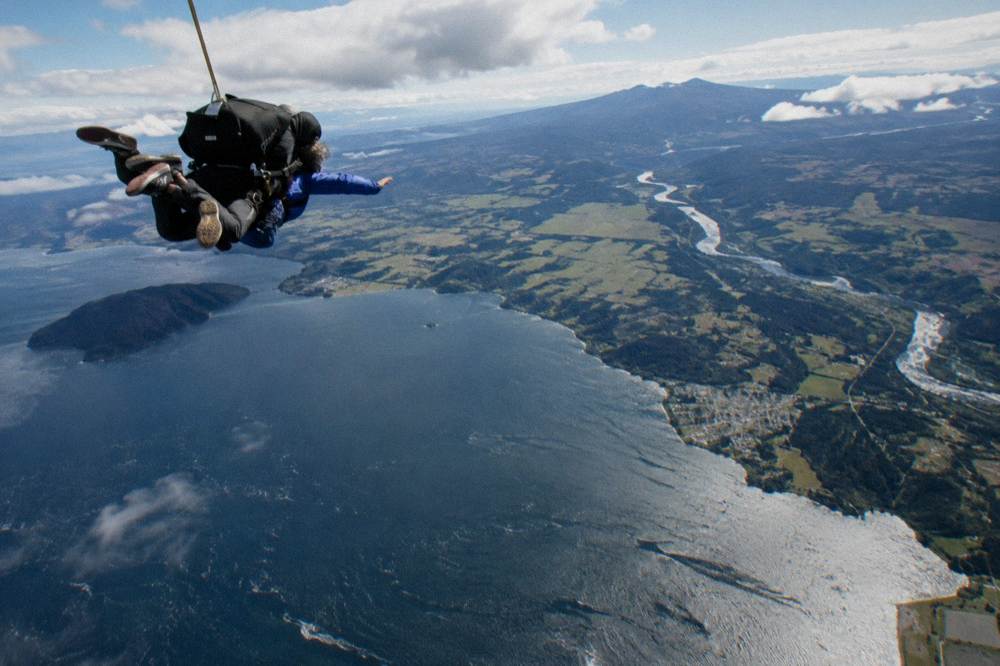
Why does altitude convert to freefall time at roughly this rate? Because a tandem pair reaches a stable falling speed quickly and then simply falls for longer from a higher exit. The extra 3,000 ft between the 12,000 and 15,000 ft exits buys about twenty seconds of freefall, which is the difference between a rush that is over as soon as you orient yourself and one long enough to look around, register the lake and the volcanic plateau, and process what is happening.
Twenty seconds does not sound like much on paper. In the air it is the gap between a sensation and an experience, and it is the single most common reason jumpers give for choosing 15,000 ft over 12,000 ft. The counter-argument is real too: plenty of first-timers find 40 seconds entirely sufficient, and the money saved on the lower rung can go toward a camera package instead. Neither choice is wrong; the ladder exists because people weigh it differently.
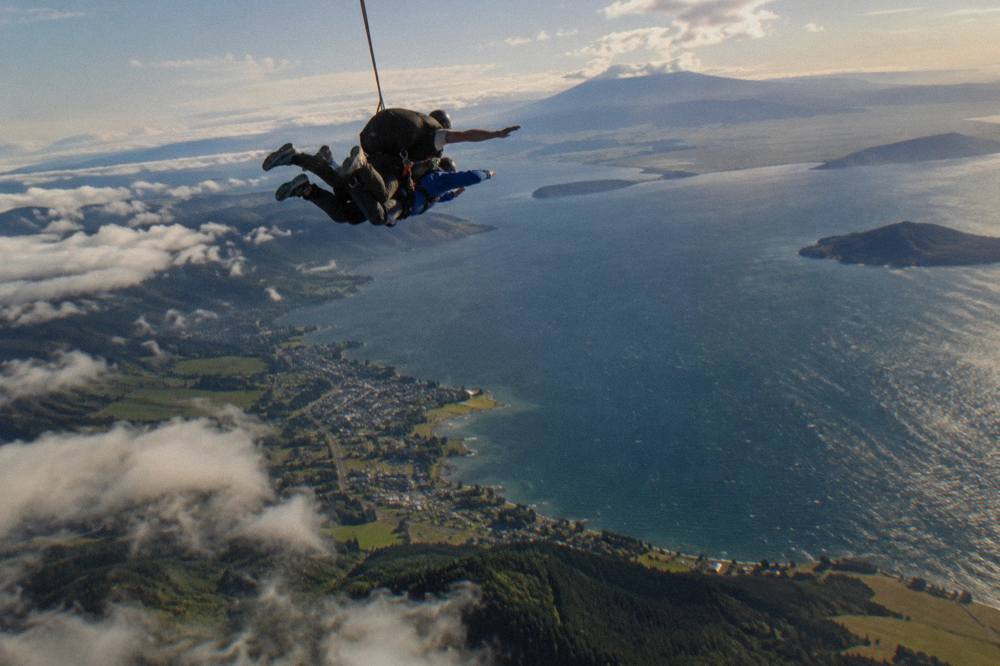
For timing beyond the freefall itself, the operator states only that the skydive portion takes about 30 minutes and that a visit finishes in about 2 hours, with the FAQ suggesting you allow 2 to 3 hours. Those durations apply operator-wide, not to one altitude. The blog post on how long a 15000 ft skydive takes unpacks the full timeline.
How The 15,000ft Tour Compares With The Other Two Options
All three products use the same drop zone, and the differences come down to altitude and how you get there: the 12,000ft Tandem Skydive is the lower option, the 15,000ft Tandem Skydive gives you the greater height on its own, and the Helicopter Flight with 15,000ft Skydive adds a helicopter flight before the jump. The first two differ only in exit height and price; the third swaps the climb-to-altitude plane for a 12-minute helicopter flight, adds a 15,000 ft jump, and starts from the Huka Falls area rather than the airport. The figures for each belong to each and do not transfer.
Start with the pairing that most question-askers are actually weighing: 12,000 versus 15,000 ft. The 12,000ft Tandem Skydive tour shows a 5.0 rating across 457 reviews, a duration of 2 hours, free cancellation within 24 hours, and a price from US$194, the one USD figure on this site. The 15,000ft Tandem Skydive carries no printed rating, review count, price or duration on its booking page, which is a gap, not a red flag; the operator's own price for the 15,000 ft jump is NZD 379. Comparing review scores between the two is simply not possible, and any site that does so is guessing.
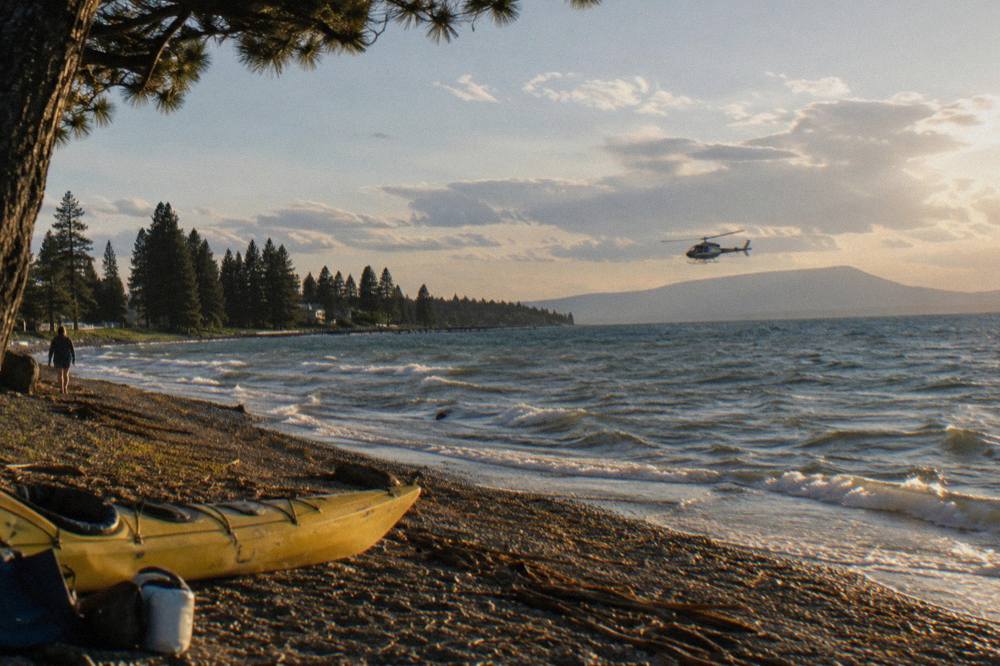
The combo plays a different role. The Helicopter Flight, 15,000ft Skydive is new and unrated, the operator prices it from NZ$599 per person with a minimum of two passengers, and the booking page lists photos and videos included plus a 136 kg (300 lb) suitability limit that belongs to the combo alone. Its 12-minute helicopter flight and 15,000 ft jump share the same freefall figure as the skydive-only tour, because it is the same height. The combo suits pairs who want the scenic flight as part of the story; the plain 15,000ft tour suits everyone else.
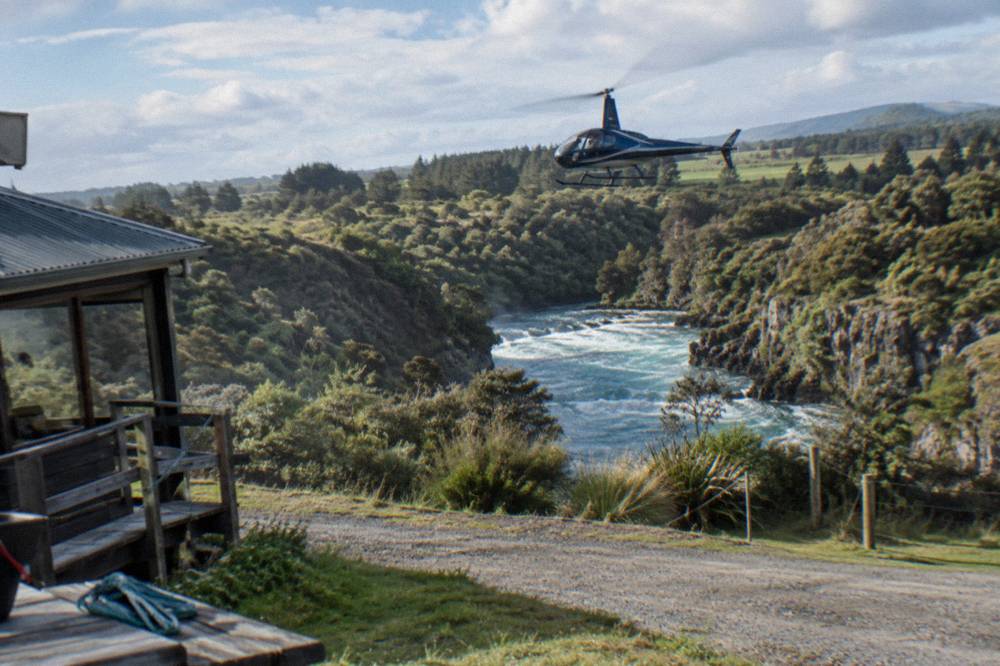
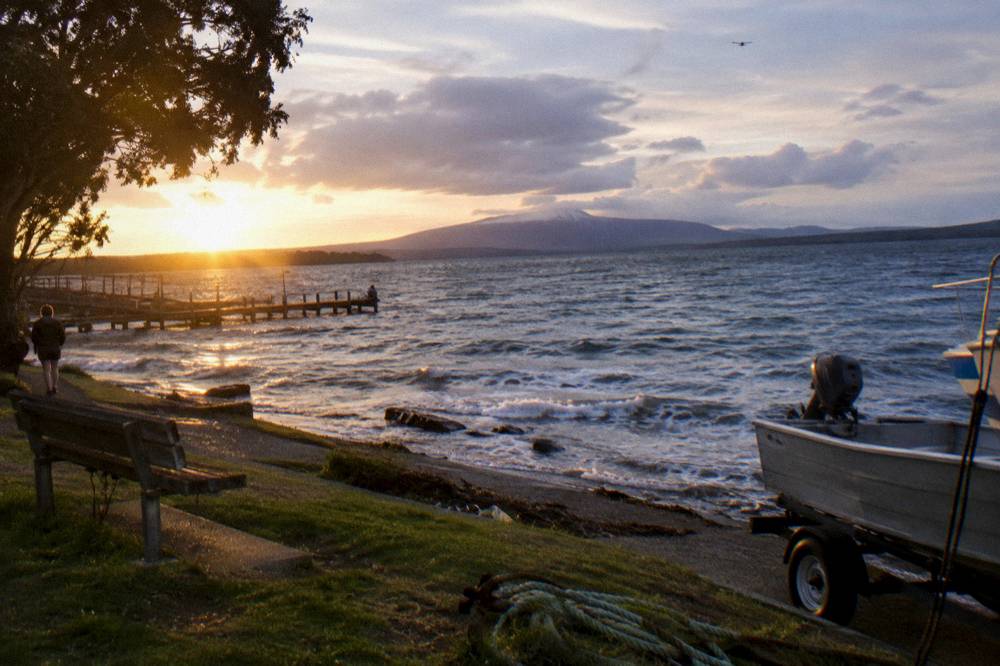
Price is where the paper trail runs thinnest. The plain 15,000ft Tandem Skydive has the operator's own NZD 379 price attached to it and nothing printed on its booking page, while the combo starts at NZ$599 per person, which puts the gap between the two at NZ$220 for what is, jump-wise, the same 15,000 ft exit and the same freefall time. What that NZ$220 buys is the 12-minute helicopter flight, the photos and videos the booking page lists as included, and the Huka Falls departure point. Whether photos and videos come with the plain 15,000ft tour is not stated in the material here, so treat it as an open question to confirm before booking. And a full three-way price ladder is impossible from these numbers, because the 12,000ft tour's US$194 is the one USD figure on the site, and mixing it with the two NZD prices would compare currencies, not tours.
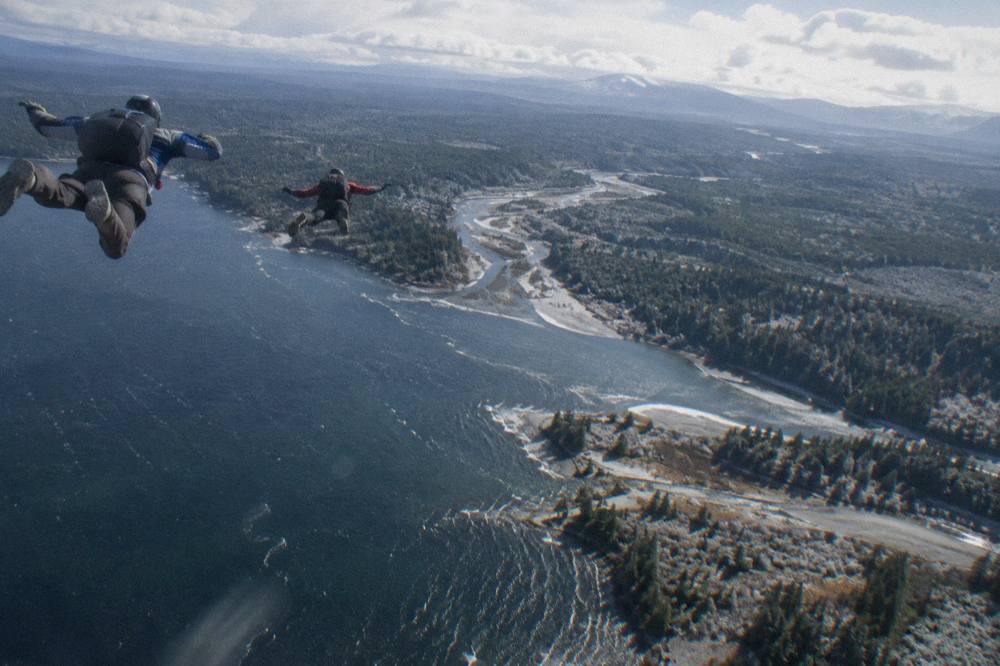
The freefall arithmetic is the cleanest decision tool in the whole comparison. Moving from 12,000 to 15,000 ft takes you from almost 40 seconds to almost 60 seconds of freefall, roughly 20 extra seconds, about half again as long in the air. If even that falls short, the operator also lists a 16,500 ft jump with over 70 seconds, but none of the three products compared here sells it, so chasing that number means a different booking altogether. Two practical filters narrow the field before any of that matters. The 136 kg (300 lb) suitability limit is printed for the combo alone, and no weight figure is given here for the two plane tours, so anyone close to that range should confirm limits before opting for the cheaper exits. The combo's two-passenger minimum also rules out a solo booking, whereas no minimum is stated for the plain 15,000ft tour, which keeps it open to travellers on their own.
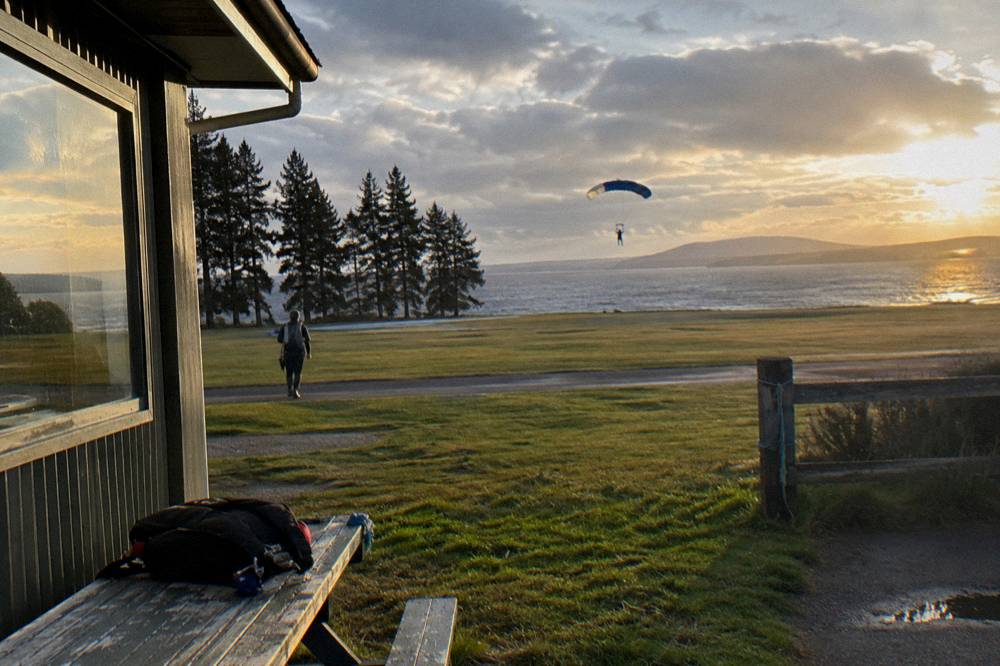
Logistics settle the rest. Trips run hourly across long windows, 9:00 to 16:00 in winter and 8:00 to 18:00 in summer, on the 362 days a year the operator says it operates, so the choice between products changes what you do far more than when you can do it. The skydive portion takes about 30 minutes and the whole visit about 2 hours, with sign-in 30 minutes before your slot, which matches the 2-hour duration printed for the 12,000ft tour: for the two plane products, the higher exit costs freefall seconds rather than extra hours in your day. The combo is the one that bends the timetable, because its 12-minute helicopter leg sits on top of the jump and no total duration is printed for it, so leave a wider buffer. Free cancellation within 24 hours appears for the 12,000ft tour alone, with nothing equivalent stated here for the other two, so check cancellation terms before committing. The departure point differs as well, with the combo leaving from the Huka Falls area while the other two run from the airport, which changes where you need to be on the day.
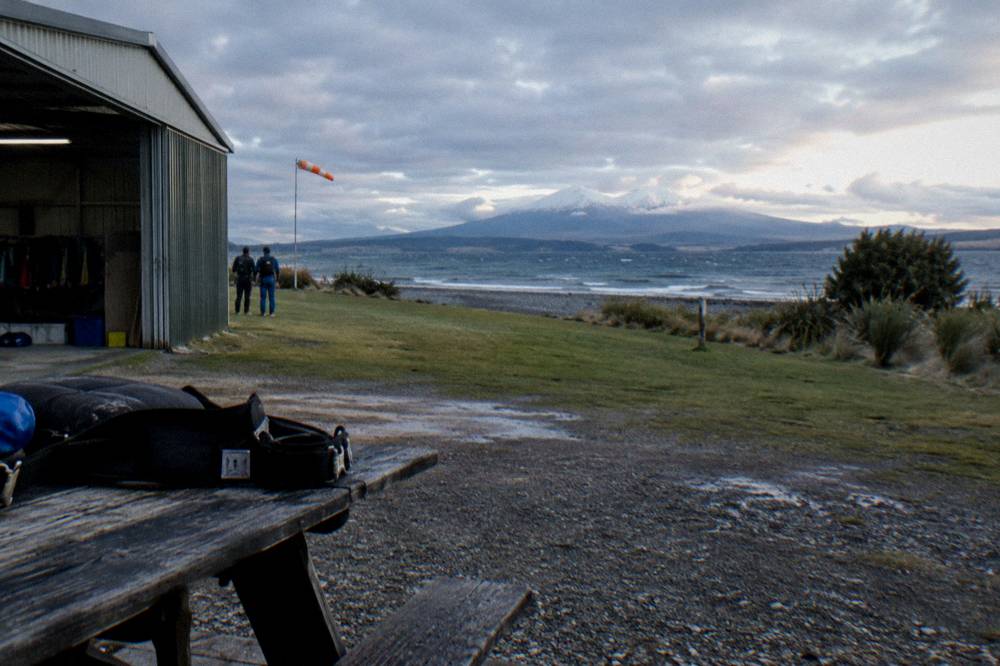
Prices, Packages And Camera Choices At 15,000 Ft
At 15,000 ft, the operator's skydive-only jump costs NZD 379 per person, while jump-plus-camera packages run from NZD 538 to NZD 759, so the final price you pay depends on which camera package you select, with those wanting footage of the jump paying more than those who skip it. Those package totals include the jump itself, so the step from a bare booking to the Legend package is the price of the full media set. Cameras cost from NZD 25 up to NZD 300, the operator gives 10% off a camera package booked online, and media arrives as an emailed link.
| 15,000 ft package | What it includes (operator-stated) | Total price (NZD, per person) |
|---|---|---|
| Skydive only | The jump, certificate of completion, free neck buff | NZD 379 |
| Ace | Selfie HD photos (tandem master wrist cameras) | NZD 538 |
| Pro | Selfie HD video and photos | NZD 569 |
| Guru | Freefall HD video and photos (separate camera flyer) | NZD 658 |
| Legend | Freefall plus selfie video and photos, plus exit photo | NZD 759 |
The operator's photo and video packages page, which explains the Selfie cam and Freefall cam setups in the operator's own words. One altitude-specific wrinkle matters at 15,000 ft: an outside freefall camera is offered at this height, whereas at 9,000 and 16,500 ft only a handycam package is available. If media is the point of the day, 15,000 ft is the sweet spot on the ladder.
Two small charges round out the money picture, both from the operator's pricing pages. A 15% surcharge applies to the skydive on New Zealand public holidays, though not to photo or video, and a 1.5% credit-card surcharge applies to card payments. Every jump includes the certificate and the neck buff, and packages at 15,000 ft and above get 50% off a T-shirt. None of that changes the headline answer, but it changes the final bill if you are not watching for it.
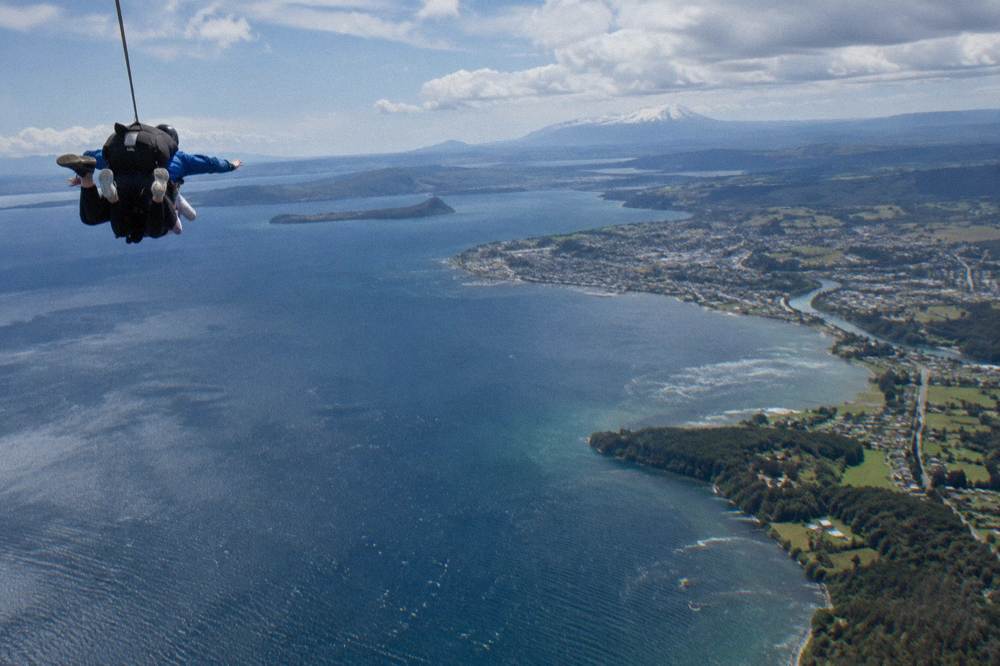
Practical Details That Come With The Height
The jump happens from 1227 Anzac Memorial Drive at Taupo Airport, about a 10 minute drive from town, and free transport within Taupo makes getting to the drop zone easy, since you will not need to arrange your own way out there for your skydive. Trips run hourly, 9:00 to 16:00 in winter and 8:00 to 18:00 in summer, and the operator says it runs 362 days a year. Arrive 30 minutes before your booked time to sign in, and call 30 minutes before arrival or pickup to confirm the weather; payment is taken after the jump.
Weather is the one force that outranks altitude. A weather hold means rebooking the same day or a later day, or cancelling free if you cannot come back, and prepaid weather cancellations may be refunded less booking and card fees. The operator's FAQ page covers this in full, and the operator's general policy allows free cancellation up to 24 hours before, with later cancellations or no-shows possibly charged in full. The 15,000ft tour's own booking page does not state cancellation terms separately, so ask the operator on 0800 826 336 if that matters to your plans.
Eligibility is the same story at 15,000 ft as at the other main heights. Minimum age is 8, with written guardian consent under 18; jumpers over 100 kg are assessed individually by the Safety Officer, and no fixed maximum weight or surcharge is stated for the skydive-only tours. One rule people forget: no scuba diving within 24 hours before a jump, which is separate from the no-drugs-and-alcohol rule and not a merger of the two. Every jumper needs government photo ID.
What Trips People Up When Choosing An Altitude
Three recurring mistakes trip people up when choosing an altitude: travelers assume that every height feels the same regardless of context, they assume the stated figures transfer neatly between tours, and they book the 16,500 ft option without reading its fine print. Each of these assumptions can push the decision in the wrong direction before the trip even begins. The ladder prices and freefall times are the operator's own, the 5.0 rating and the US$194 from-price belong to the 12,000ft tour alone, and 16,500 ft carries an ages 14+ limit plus a high-altitude waiver signed at the drop zone. Each of these catches people who skim.
The first mistake shows up at the payment page. Some jumpers book 9,000 or 12,000 ft to save money, expecting a similar ride, then learn the freefall gap is real: almost 40 seconds versus almost 60. Others do the opposite and pay for 16,500 ft without clocking the waiver and age minimum, or without realising the outside freefall camera is not offered at that height or at 9,000 ft, only a handycam package. If the camera flyer filming you is part of the plan, 15,000 ft is where that option lives.
The second mistake is trusting one tour's numbers for another. A page that prints a rating or a duration for the 15,000ft tour is borrowing them from somewhere else, because the tour's own booking page states none of them. The third is forgetting the small print that moves the total: the holiday surcharge, the card surcharge, and the 24-hour cancellation window rather than a same-day one.
Common Questions About A 15000 Ft Skydive
Is A 15000 Ft Skydive High?
Yes. It is the second-highest of the four heights the Taupo operator offers, with almost 60 seconds of freefall, and only the operator's 16,500 ft jump goes higher. In everyday terms it is far above anything most people experience outside an aircraft.
How Long Is The Freefall At 15,000 Ft?
The operator states almost 60 seconds, and elsewhere "up to 60" seconds. For comparison, 12,000 ft gives almost 40 seconds and 16,500 ft over 70 seconds. No freefall speed figure is stated by the operator.
What Does A 15,000 Ft Skydive Cost?
The operator's skydive-only price is NZD 379 per person. Jump-plus-camera packages run from NZD 538 (Ace) to NZD 759 (Legend). The tour's own booking page does not state a price; check availability for the live figure.
Is 15,000 Ft Higher Than Other Taupo Options?
Within this drop zone, only 16,500 ft is higher, and the operator calls that its highest jump, "nearly 18,000 ft above sea level" in its own claim. Other towns have their own operators with their own altitudes, and no comparison is made here.
Can First-Time Jumpers Do 15,000 Ft?
Yes, it is a standard tandem height with the same eligibility rules as the other main options: minimum age 8, guardian consent under 18, individual assessment over 100 kg, photo ID, and no scuba diving within 24 hours. The ages 14+ rule belongs to 16,500 ft only.
What Weather Rules Apply To A 15,000 Ft Jump?
Weather decides whether a jump runs. A weather hold means rebooking the same day or a later day, or a free cancellation if you cannot return. Call 30 minutes before arrival or pickup to confirm conditions.
If the answer to the original question is yes and 15,000 ft is where you want to exit, the 15,000ft Tandem Skydive is the direct booking, the 12,000ft Tandem Skydive is the lower-cost alternative, and the Helicopter Flight, 15,000ft Skydive wraps the same height in a 12-minute scenic flight for pairs.