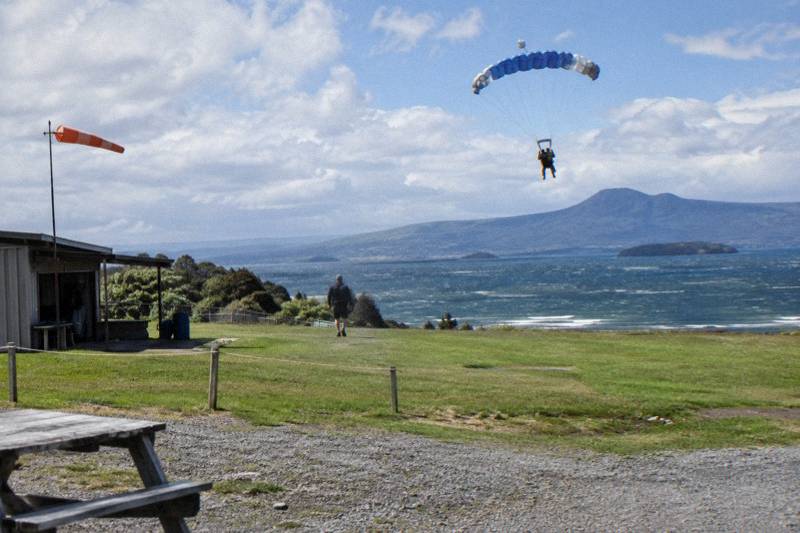
Can You Skydive With Astigmatism?
Can you skydive with astigmatism? What the Taupo operator states about goggles, glasses and eye conditions, with honest notes on what is not stated.
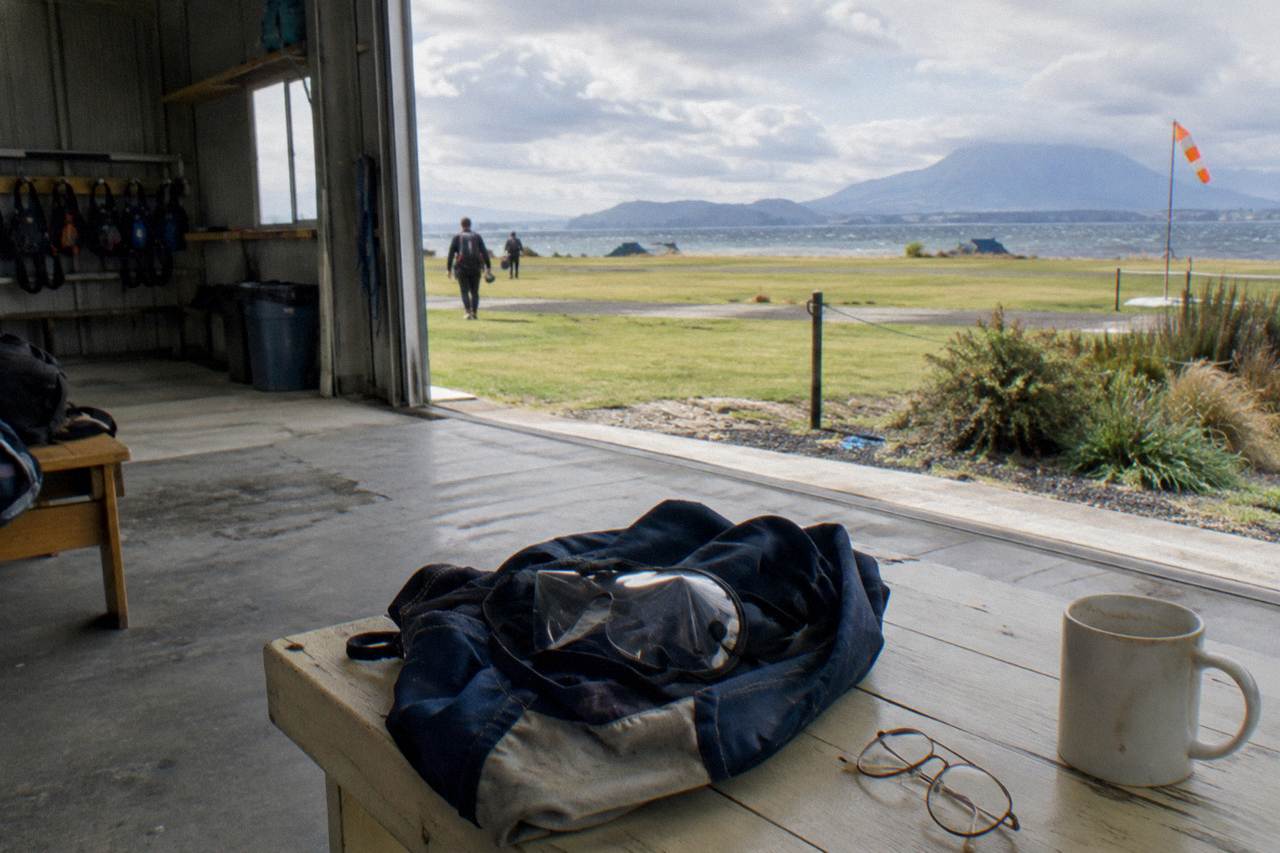
Yes, as far as the operator's stated rules go, and that is a direct answer the published pages genuinely support. The Taupo drop zone's conditions cover age, weight, scuba diving within 24 hours, drugs, alcohol and general health, and astigmatism does not appear anywhere in them as a barrier. The operator states only one eye-related fact outright: glasses fit under the supplied goggles. Beyond that, no condition-by-condition eye rule is stated, so the honest position is that nothing published rules astigmatism out, and a quick word with the office and a doctor settles your own case before the day arrives.
Yes, you can. Nothing in the operator's stated eligibility rules names astigmatism, or any other refractive error, as a reason to refuse a jump, and the same pages say glasses fit under the supplied goggles, so neither the condition itself nor corrected vision is treated as a barrier to booking a jump. The published health guidance is deliberately general: see a doctor first, no scuba diving within 24 hours, no drugs or alcohol, bring government photo ID, and accept that the operator may decline a jump for safety reasons on the day. There is no eye-condition checklist on any of the operator's pages. That absence is not the same as a promise, though. The right reading is that astigmatism is treated like any other individual health matter: check with a doctor, mention it when you book, and let the team at the drop zone make the final call.
Astigmatism is simply a common shape difference in the eye that blurs vision at some distances, and it is usually corrected with glasses or contact lenses. Huge numbers of people with corrected vision jump every year at drop zones worldwide, and the Taupo operator's own published numbers are large ones: 25+ years of operation and 200,000+ jumpers, as the operator says. Nothing in that record or in the stated rules singles out eye conditions.
The question that actually matters for a tandem jump is practical rather than medical. Will you see well enough through goggles to enjoy the freefall, and will your correction stay put in a strong wind blast? Neither concern is unique to astigmatism, and both have straightforward answers from the operator's own pages, which we cover below.
If you are already weighing options, the three bookable Taupo jumps cover the usual spread: the 12,000ft Tandem Skydive, the 15,000ft Tandem Skydive, and a Helicopter Flight, 15,000ft Skydive combo.
What The Taupo Operator Says About Eyes And Goggles
The Taupo operator makes only one direct statement about eyes and eyewear: glasses fit under the goggles supplied with every jump. Those goggles come as part of the standard kit, handed out alongside a jumpsuit, hat, and neck buff, and beyond that single point the operator says nothing further about eye care or vision equipment. That single sentence, from the operator's FAQ, is the entirety of the published eye guidance at this drop zone. There is no stated rule about astigmatism, contact lenses, eye surgery history or any other eye condition, and no stated restriction on wearing glasses during the jump. Where a page does not state a rule, the honest move is to say so plainly rather than guess: for anything beyond "glasses fit under the goggles", ask the operator directly on 0800 826 336.
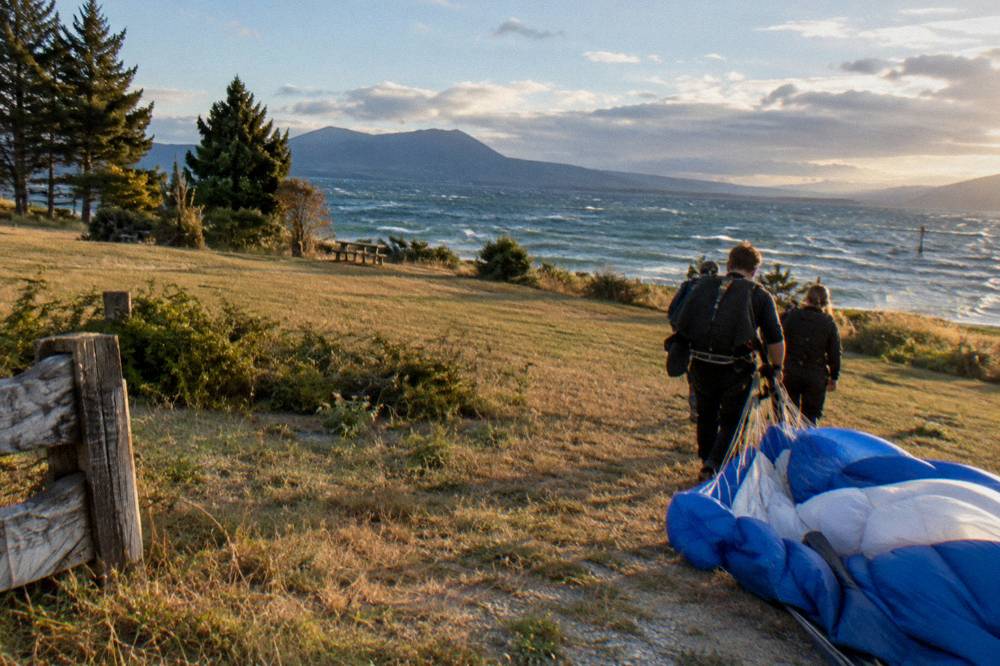
The supplied-goggles detail matters more than it might sound. Some drop zones around the world ask glasses wearers to accept a slightly loser goggle fit or to sign an acknowledgement about glass in the aircraft environment. The Taupo operator publishes nothing of the sort; the FAQ simply states the glasses fit. That is a reassuring position for anyone whose astigmatism correction lives in a pair of frames.
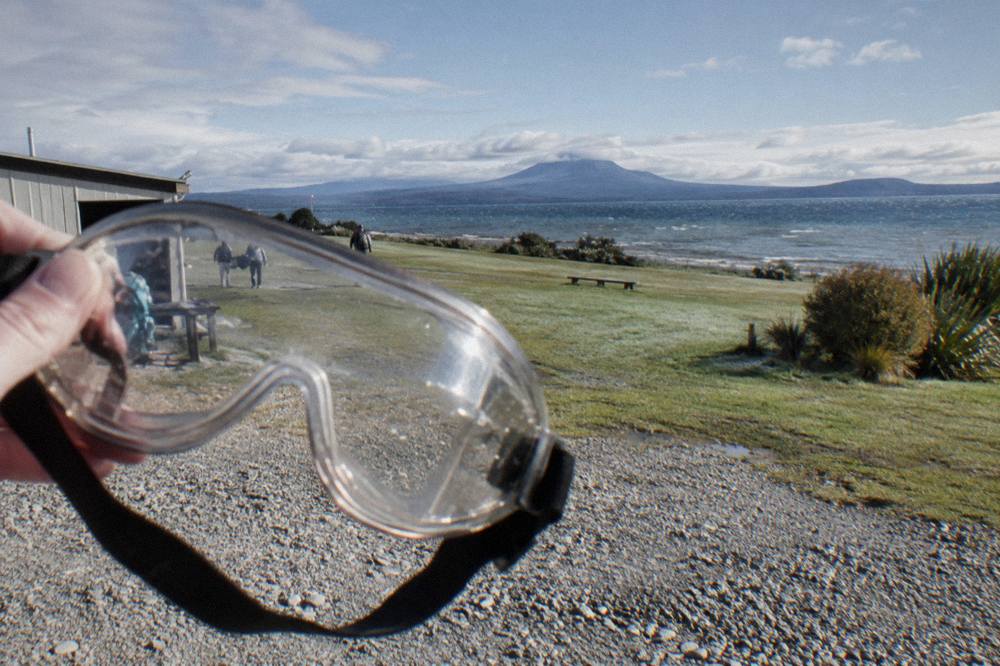
The general health rules that do exist are worth knowing alongside it. The operator asks anyone with a health question to see a doctor first, and states plainly that a jump may be declined for safety reasons. That is not an eye rule; it is a blanket principle that applies to every jumper. The specific prohibitions that are stated are narrow: no scuba diving in the previous 24 hours, and no drugs or alcohol. Vision is not on the prohibited list. For the source wording on health, goggles and what to wear, the operator's FAQ page states each of these in full.
A practical note on photo and video: the camera packages offered at this drop zone are filmed by the tandem master's wrist cameras or by a separate camera flyer, so your own goggles and glasses never interfere with the footage. The operator's photo and video packages page describes the Selfie cam and Freefall cam options, from NZD 25 up to NZD 300 for cameras, with 10% off a package booked online.
Contact Lenses, Glasses And Goggles On A Tandem Jump
Both published options work on a tandem jump: your glasses can simply go under the goggles the operator supplies, while contact lenses stay a matter of personal choice, since the operator's stated terms do not rule on them anywhere, leaving you free to pick whichever option suits your eyes. The equipment position is simple. Jumpsuit, goggles, hat and neck buff are supplied, glasses fit under the goggles, and no page states any restriction on contact lenses. Since nothing is stated about lenses, the honest answer for lens wearers is to mention it when booking and to carry a spare pair or glasses in your bag on the day. A dry lens in the wind blast is a common nuisance rather than a safety event, and the office can speak to it directly.
For glasses wearers with astigmatism, a couple of practical habits help. Choose a secure, well-fitting frame rather than a loose fashion pair, since the goggles hold them against your face but do not grip them. If your prescription is strong, note that the wind blast can tug at frames during the freefall section; a sports strap under the goggle seal is a cheap fix many jumpers use. None of this is operator policy, it is plain physics: almost 40 seconds of freefall from 12,000 ft, or up to 60 seconds from 15,000 ft, pushes a lot of air past your face.
There is one combination worth flagging. The outside freefall camera, where a separate camera flyer joins your jump, is not offered at 9,000 or 16,500 ft at this drop zone, though a handycam package is. If seeing yourself clearly in the footage matters to you, that availability note may shape which altitude you pick, and it has nothing to do with your eyesight.
| Vision Option | What The Operator States | Practical Note For The Day |
|---|---|---|
| Prescription glasses | Glasses fit under the supplied goggles | A secure sports frame rides better in the wind blast |
| Contact lenses | Not stated; no restriction published | Carry spares and mention it when booking |
| Supplied goggles | Issued with every jump, along with jumpsuit, hat and neck buff | Fitted over glasses by the team |
| Astigmatism specifically | Not mentioned in any stated rule | Ask the office on 0800 826 336 and see a doctor first |
One planning habit ties these details together. When you mention lenses at booking, ask the office on 0800 826 336 to note it on your reservation, then arrive the stated 30 minutes early so the team has time to fit the supplied goggles over your frames and you have time to sort any lens discomfort before gearing up. A bag kept on the ground is where your spare glasses belong, not in the jumpsuit you are issued.
Altitude choice interacts with your eyes in two ways. The same wind blast that dries a lens or tugs at a frame simply lasts longer as you climb the ladder, and the same is true of what a camera can capture. Since the outside camera flyer sits outside the package at the highest and lowest altitudes on offer, anyone who wants both the flyer and the longest freefall window lands on 15,000 ft.
And since the operator can say no to a jump on safety grounds, a word with your doctor before you travel, rather than on the day, is the smoother route for any real eye concern.
The four altitudes on offer, 9,000, 12,000, 15,000 and 16,500 ft, sort cleanly once you weigh eyes and footage together. The outside camera flyer is absent at the lowest and highest options, where a handycam package is the footage route, which leaves the two middle altitudes for outside camera work. Pair that with freefall length, almost 40 seconds from 12,000 ft and almost 60 seconds from 15,000 ft, and the trade is plain: the highest jump costs you the flyer, while the longest jump that keeps the flyer is 15,000 ft. Those freefall seconds are also your total lens-exposure window, so the altitude pick doubles as a comfort pick. For a glasses wearer who wants clear footage of the freefall, that balance can matter as much as frame fit.
When you call the office on 0800 826 336, three questions cover the whole eye picture in one conversation: ask for a lens note on your reservation, confirm which camera package runs at the altitude you are considering, and mention astigmatism or any other eye condition so it sits alongside the doctor-first guidance. The same number answers anything the published terms leave open, which, for lenses, is the whole question. One call, one record, and nothing left to sort at sign-in.
Packing follows the same logic. The stated dress code is warm, comfortable clothes and closed-toe shoes, the jumpsuit, goggles, hat and neck buff are issued on site, and the only eye items that need to come from home are the pair on your face and the spares in your ground bag. Glasses make the simpler backup choice, since one ground bag then covers every eye outcome on the day without a second lens routine to manage in a wind blast.
Does Astigmatism Change The Freefall Or The View?
No, nothing stated suggests astigmatism changes the freefall or the view for a tandem passenger at this drop zone. The freefall itself does not demand sharp distance vision, and the condition is not presented as something that alters what a passenger feels or sees at any point during the jump. During freefall the world close to you is rushing and blurred for everyone, corrected vision or not; the eye's job is to take in the horizon, the cloud deck and, under canopy, the sweep of Lake Taupo and the volcanic plateau. Astigmatism that is well corrected with glasses or lenses leaves you with the same view as anyone else on the plane. Uncorrected astigmatism may soften the horizon slightly, but no stated rule requires a particular standard of eyesight for a tandem passenger, because the tandem master handles the jump.
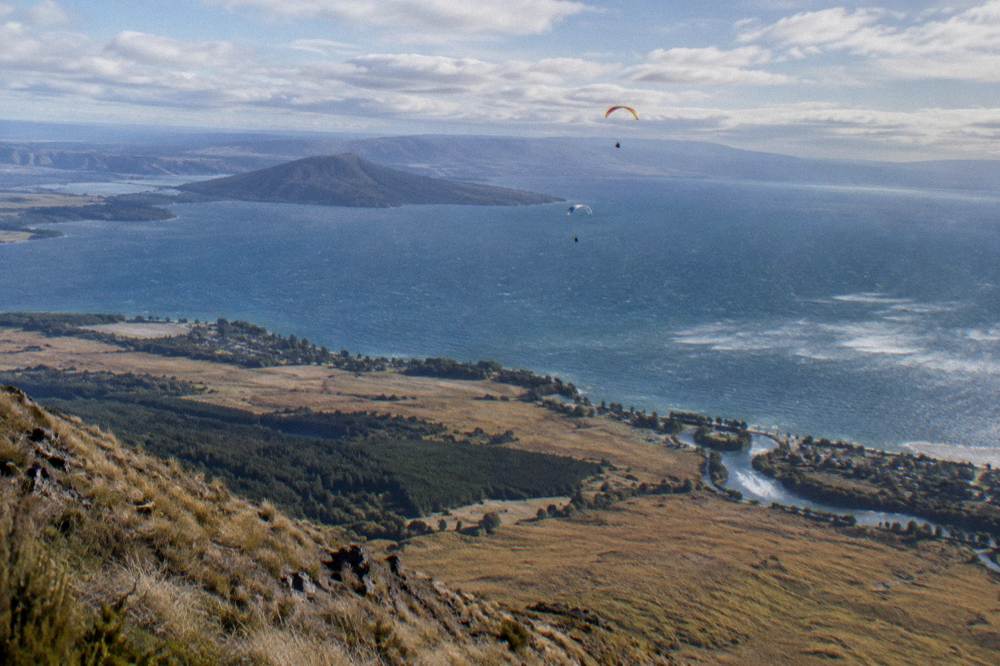
The moments where vision genuinely matters are on the ground: signing in 30 minutes before your booked time, listening to the briefing, and reading the paperwork. Bring the glasses you normally wear all day and there is nothing extra to arrange. Under the canopy the pace is calm, and many jumpers say the ride down is when the view really lands, Lake Taupo spread below the drop zone at Taupo Airport, about a 10 minute drive from town. More of these guides are collected on Taupo Tandem Skydive.
One reassurance for the nervous: the operator's stated schedule gives breathing room. Trips run hourly, from 9:00 to 16:00 in winter and 8:00 to 18:00 in summer, and the operator says it operates 362 days a year. The skydive portion takes about 30 minutes, and the operator's FAQ suggests being finished in about 2 hours, with allowance for 2 to 3 hours in total. None of those figures depend on your eyesight.
Who To Ask Before You Book
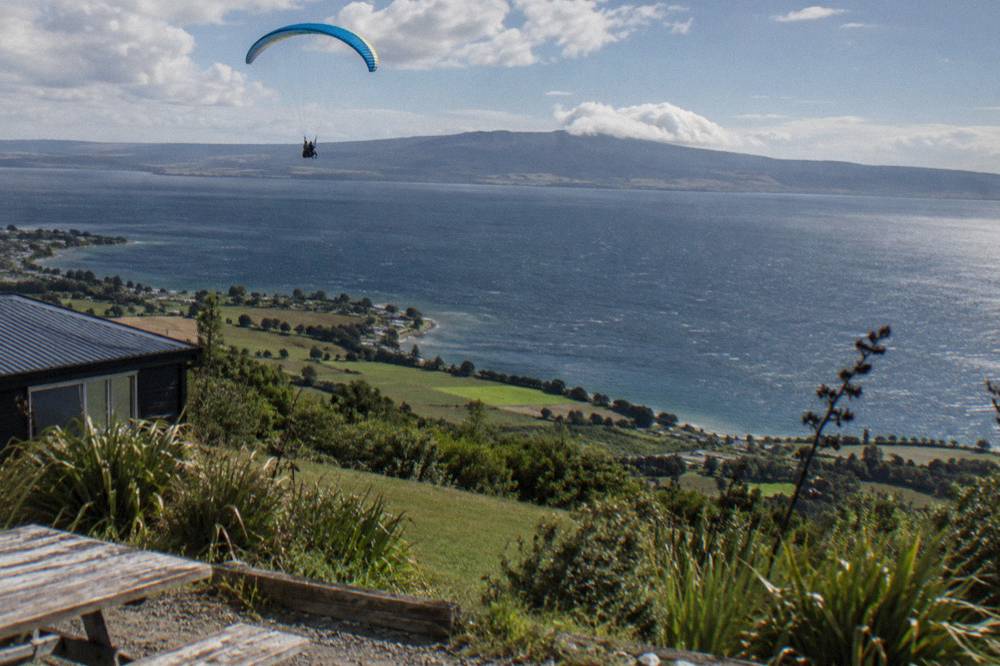
Before you book, two conversations settle it: your doctor, and the drop zone office. Both are easy to reach, and neither one costs you a cent, so start with your doctor, then call the drop zone, and get every answer you need before any money changes hands. The operator's stated health guidance says to see a doctor first, full stop, and that a jump may be declined for safety. That guidance covers every jumper, and it is the right channel for any real medical question, including eye surgery history, progressive conditions or anything beyond ordinary corrected astigmatism. The office, reachable on 0800 826 336, answers the equipment and booking side: goggles, glasses, camera packages, transport within Taupo, and anything the pages do not state. Neither conversation takes long, and both leave you with a straight answer rather than a guess.
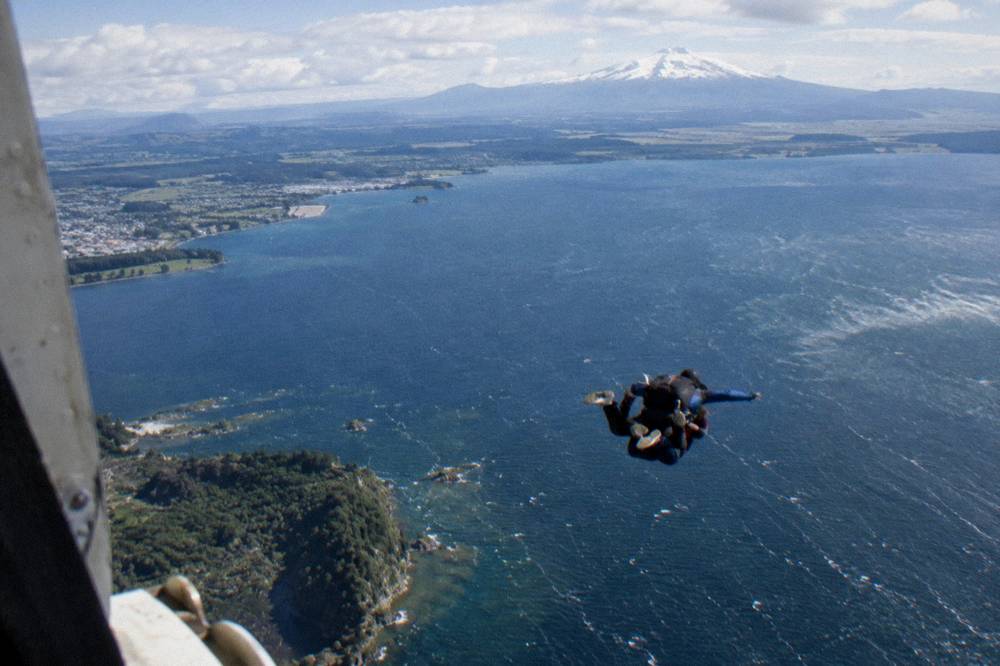
Booking itself is low-risk while you ask. The 12,000ft Tandem Skydive carries free cancellation up to 24 hours before, and the operator's general policy is the same window, with payment taken after the jump and a weather hold meaning a free rebook or a free cancellation if you cannot return. Weather decides whether a jump runs, so nobody can promise a flight on any given day; what the policy does promise is that a weather hold does not cost you the money. For the exact terms, the operator's terms and conditions state the cancellation and weather rules in full.
People weighing the same question from other angles may also find it useful to read who is not allowed to skydive at all, since the stated prohibitions are narrower than most people expect, and what not to wear on the day, which covers the clothing side of the same equipment conversation.
If the eye question is settled and the deciding factor is now the experience itself, the helicopter combo pairs a 12-minute helicopter flight with the 15,000 ft jump, from NZ$599 per person with a minimum of two passengers, photos and videos included per the booking page.
Common Mistakes When Booking A Skydive With Vision Concerns
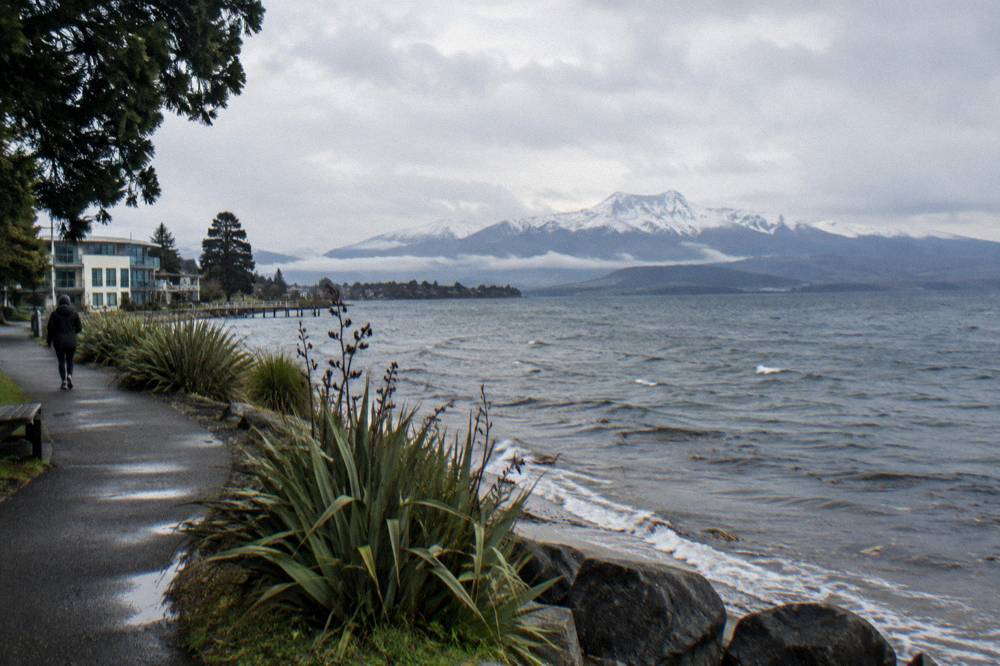
The recurring mistakes are assuming the published vision rules say more than they actually do, guessing at requirements instead of reading them, and over-preparing for restrictions that were never there, and each one adds worry the drop zone's own guidance never asked for, which makes booking feel harder than it needs to be. People assume the operator has an eye rule and quietly talk themselves out of booking, when the only stated fact is that glasses fit under the goggles. Others guess at restrictions that no page states, arriving with borrowed goggles or leaving glasses in the car. And a few over-prepare, buying specialty eyewear for a jump that issues standard goggles fitted over ordinary frames every day of the year. The stated path is shorter than all three detours: doctor if there is a real medical question, office on 0800 826 336 if there is an equipment question, and your normal correction on the day.
One more mistake is worth naming. Some jumpers book a camera package and worry their glasses will spoil the footage. The tandem master's wrist cameras and the separate camera flyer film from outside your goggles, so the frames appear in the footage exactly as your face does. The only equipment note worth acting on is the outside-camera availability limit at 9,000 and 16,500 ft, where a handycam package is the option instead.
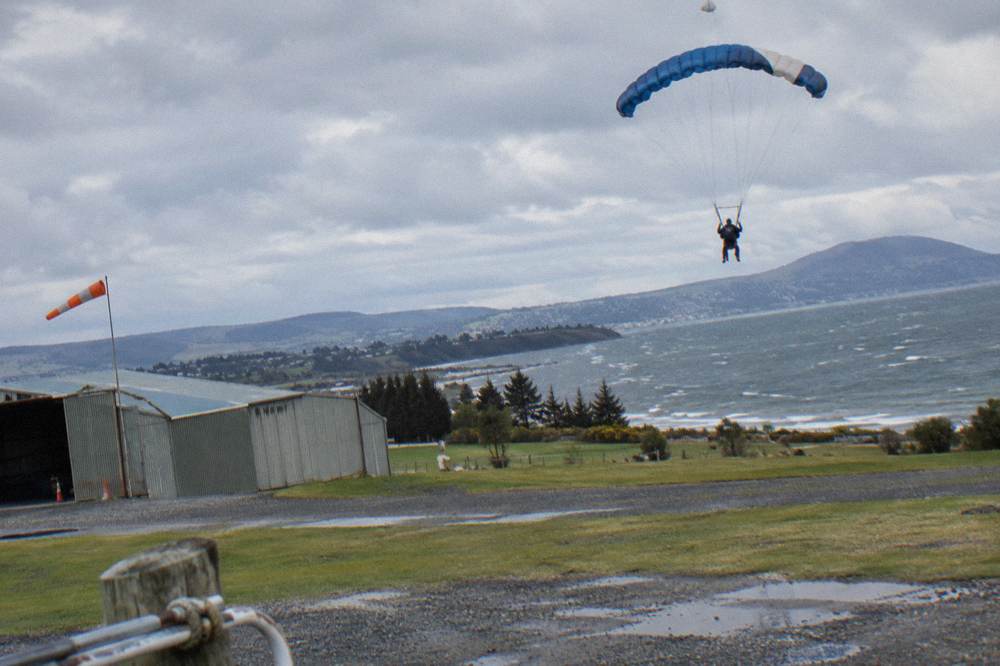
For most people with astigmatism the decision collapses to a simple question: which altitude. The 12,000ft Tandem Skydive, rated 5.0 across 457 reviews and from US$194, is the entry point, with almost 40 seconds of freefall. The 15,000ft Tandem Skydive stretches that to almost 60 seconds. Your eyesight, corrected and under goggles, plays no part in that choice.
Common Questions About Skydiving With Astigmatism
Can You Skydive With Astigmatism?
Nothing in the operator's stated rules names astigmatism as a barrier. The only eye-related fact the operator states is that glasses fit under the supplied goggles. Since no condition-by-condition eye rule is published, see a doctor first and mention it to the office on 0800 826 336 before you book.
Do Goggles Fit Over Prescription Glasses?
Yes. The operator's FAQ states that glasses fit under the supplied goggles, which are issued with every jump along with a jumpsuit, hat and neck buff. A secure frame rides better than a loose one during the freefall wind blast.
Can You Wear Contact Lenses When Skydiving?
No restriction on contact lenses is stated on the operator's pages. A practical approach is to carry a spare pair or your glasses on the day, and mention lenses when booking. Dry lenses in the wind blast are a common nuisance, not a stated safety issue.
Does Astigmatism Affect The Freefall?
Freefall does not demand sharp distance vision, and the tandem master handles the jump. Corrected astigmatism leaves you with the same view as any other passenger; no stated rule sets an eyesight standard for tandem passengers.
Is There Any Eye Condition That Stops You Skydiving In Taupo?
No condition-by-condition list, eye or otherwise, is stated. The published health guidance is general: see a doctor first, no scuba diving within 24 hours, no drugs or alcohol, and the operator may decline a jump for safety. Ask the office about your specific case.
Will Glasses Ruin My Skydive Photos And Videos?
No. The camera packages use the tandem master's wrist cameras or a separate camera flyer, both filming from outside your goggles. Note that an outside freefall camera is not offered at 9,000 or 16,500 ft; a handycam package is available there instead.