Where Is The Best Place To Skydive In New Zealand?
No single place wins. Here is how to judge a New Zealand skydive spot on height, freefall seconds, price and logistics, with everything the Taupo operator states on the record.
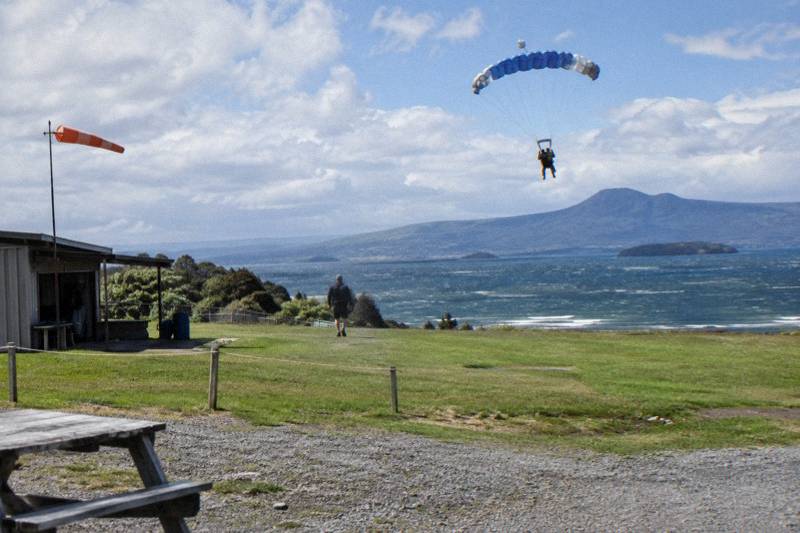
There is no single best place to skydive in New Zealand, and any article crowning one is guessing. With several drop zones run by separate operators, the honest answer is a method: score each jump on exit height, freefall seconds, total cost and logistics, which this page does using real, on-the-record figures from the Taupo operator, whose four heights run from 9,000 ft to 16,500 ft.
Other towns have their own operators and their own pages, and nothing said about them here carries a price, a height or a duration, because those figures belong to the operators that state them. What can be done properly is lay out the decision criteria, then hold one drop zone fully to account against them: the Taupo operation at Taupo Airport, which publishes a complete price ladder, a four-step height ladder and detailed booking terms. If you want the wider national picture first, start with the guide to skydiving across New Zealand and come back for the numbers.
The short version of the method: height sets freefall time, freefall time is what you are actually paying for, price compares only within one operator's ladder, and logistics decide whether the day is easy or a slog. Weather always decides whether a jump runs, so no place and no promise can guarantee a jump on any given day.
What Actually Makes One Drop Zone Better Than Another
Four things separate a good skydive location from a mediocre one: the exit heights on offer, the freefall seconds those heights buy you, the real all-in price, and the logistics of getting there and getting it done. Scenery matters too, but it is the one factor you cannot comparison shop from a desk, and every New Zealand drop zone will sell you a view. Judge the numbers first, then the day.
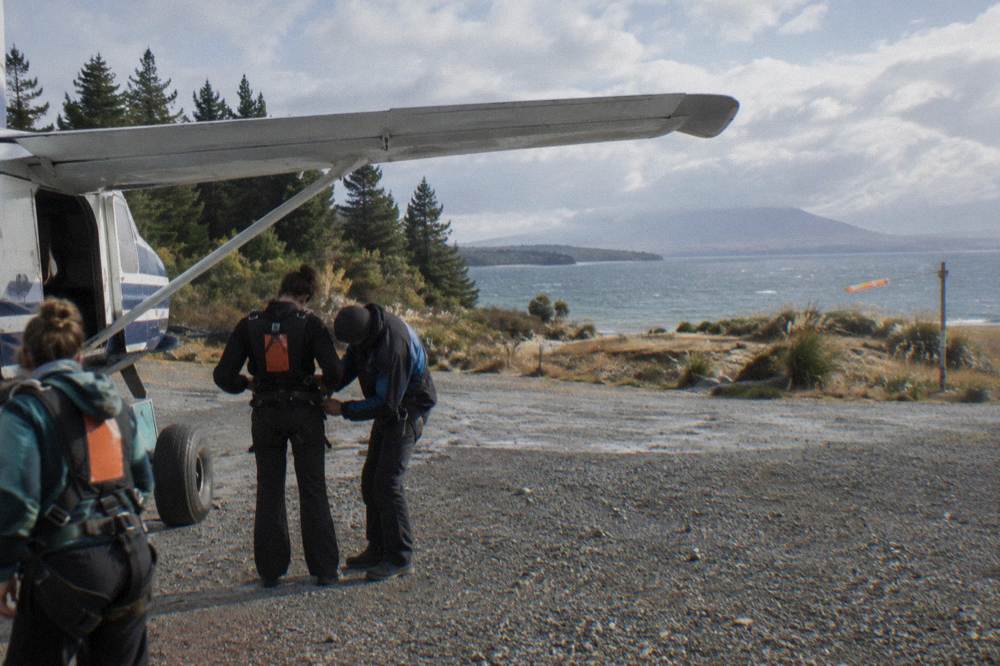
Height is the foundation. More altitude means more freefall, and freefall is the part people remember and the part that scales the price. The Taupo operator offers four heights: 9,000, 12,000, 15,000 and 16,500 ft, with 16,500 ft described by the operator as its highest jump and, in the operator's own words, "nearly 18,000 ft above sea level" given the airport's elevation. That is a claim, printed as such, not a measurement of the freefall you will get, and the operator also says it may adjust the exit height slightly at 16,500 ft.
Freefall seconds are the honest currency. The operator states almost 40 seconds of freefall at 12,000 ft, almost 60 seconds (up to 60) at 15,000 ft, and over 70 seconds at 16,500 ft. For 9,000 ft no freefall figure can be responsibly printed, because the operator's own page gives two different numbers in the same sentence. No freefall speed in km/h or mph is stated anywhere, so none appears here either.
“They have to do it. Nathan was awesome he made you feel comfortable would I do it again hell yes thank you for the experience”
Price only compares inside one operator's ladder, never across towns. A 15,000 ft jump in one resort town and a 15,000 ft jump in another may differ by a hundred dollars for reasons that have nothing to do with quality. Logistics are the quiet dealbreaker: how far the drop zone sits from your bed, whether transport is included, how often flights run, and what happens when the weather turns. Those are all answerable before you pay anything.
How Taupo Scores On Height And Freefall
On the two criteria that cost the most to get wrong, height and freefall time, the Taupo drop zone scores well: a four-step ladder from 9,000 to 16,500 ft, freefall seconds stated for three of the four rungs, and a genuinely high ceiling option with over 70 seconds of freefall. Only the 9,000 ft rung is fuzzy, with no printable freefall figure. That is a fuller public picture than most places publish.
The ladder is simple to read once you know what you are looking at. A 9,000 ft jump is the budget entry, and the operator prices it at NZD 279 skydive-only. The 12,000 ft jump, NZD 329, buys what the operator calls almost 40 seconds of freefall. The 15,000 ft jump at NZD 379 lifts that to almost 60 seconds. The 16,500 ft jump at NZD 529 is the headline act: over 70 seconds of freefall, restricted to ages 14 and over, and requiring a high-altitude waiver signed at the drop zone. Those prices are all per person, all stated on the operator's prices page.
Here is the honest wrinkle in the ladder: the jump from 12,000 to 15,000 ft costs NZD 50 more and adds roughly 20 seconds of freefall, while the jump from 15,000 to 16,500 ft costs NZD 150 more and adds roughly 10 to 15 seconds. Diminishing returns are real and steep at the top. If budget matters, the middle rungs are where the value sits; if the whole point is the longest possible freefall, the top rung is the only one that delivers it at this drop zone, and the deeper dive is in the 12,000 vs 15,000 ft comparison.
One camera detail belongs to the height choice rather than the booking choice: an outside freefall camera, where a separate camera flyer jumps alongside you, is not offered at 9,000 or 16,500 ft. At those heights a handycam package is the alternative. If a third-party freefall film is the souvenir you want, that fact pushes the decision toward 12,000 or 15,000 ft.
What The Taupo Jumps Actually Cost
Skydive-only jumps at Taupo cost NZD 279 for 9,000 ft and NZD 529 for 16,500 ft, but camera add-ons can roughly double your spend, pushing bundled photo and video packages to between NZD 438 and NZD 759. Two extras also apply: a 15 percent surcharge on New Zealand public holidays and a 1.5 percent fee on credit card payments.
The package ladder is where most people's actual decision lives. The tiers are named rather than numbered: Ace is selfie-cam HD photos, Pro is selfie-cam HD video and photos, Guru adds a freefall camera flyer's HD video and photos, and Legend stacks freefall video, selfie video and photos, plus an exit photo. Cameras alone are stated by the operator to run from NZD 25 up to NZD 300, and the operator offers 10 percent off a camera package booked online.
| Option | 9,000 ft | 12,000 ft | 15,000 ft | 16,500 ft |
|---|---|---|---|---|
| Skydive only (NZD) | 279 | 329 | 379 | 529 |
| Ace package (NZD) | 438 | 488 | 538 | 688 |
| Pro package (NZD) | 478 | 528 | 569 | 719 |
| Guru package (NZD) | not offered | 608 | 658 | not offered |
| Legend package (NZD) | not offered | not offered | 759 | not offered |
Read the ladder by gaps, not by rows. The cheapest way to leave with photos at all is the 9,000 ft Ace at NZD 438. The cheapest freefall-camera package anywhere on the ladder is the 12,000 ft Guru at NZD 608, which undercuts the 15,000 ft Guru by NZD 50. The Legend tier exists only at 15,000 ft, at NZD 759, which makes that height the only one where every media format is on the menu.
The bookable tours wrap these ladders differently. The 12,000ft Tandem Skydive is the one tour with a printed from-price on its booking page: from US$194 per person, printed here only as that tour's own figure, never as a conversion of the NZD ladder. It is rated 5.0 across 457 reviews, runs 2 hours, and carries free cancellation up to 24 hours before. The 15,000ft Tandem Skydive's booking page shows no price, rating or duration, so the operator's NZD 379 ladder figure is the number to plan around, and questions about that tour's cancellation terms go to the operator. Every jump, at every height, includes a certificate of completion and a free neck buff, with 50 percent off a T-shirt on the 15,000 ft and higher packages.
Logistics: Getting There And Getting It Done
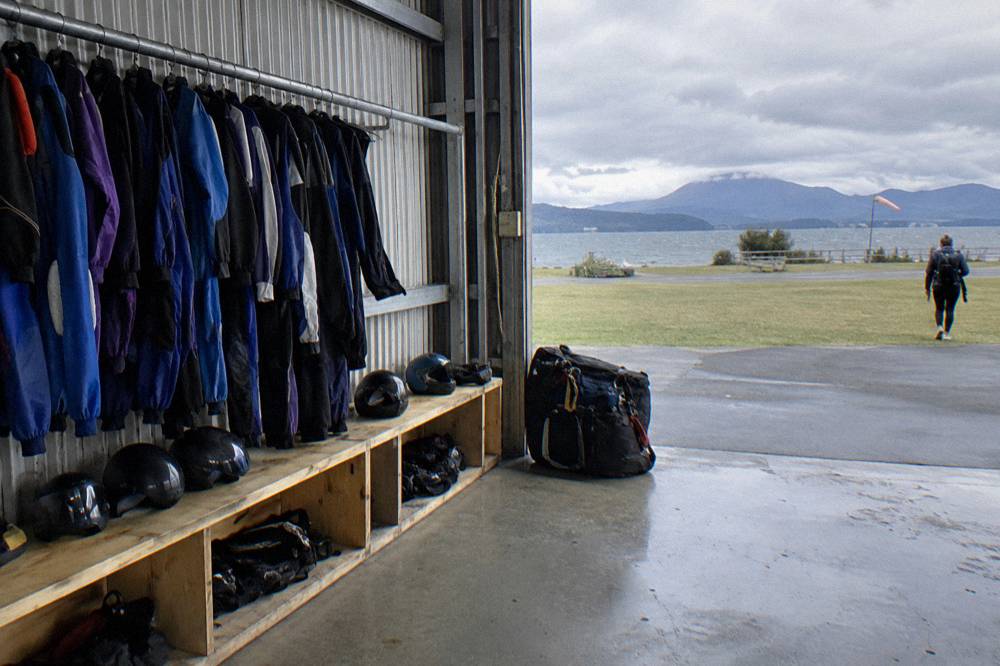
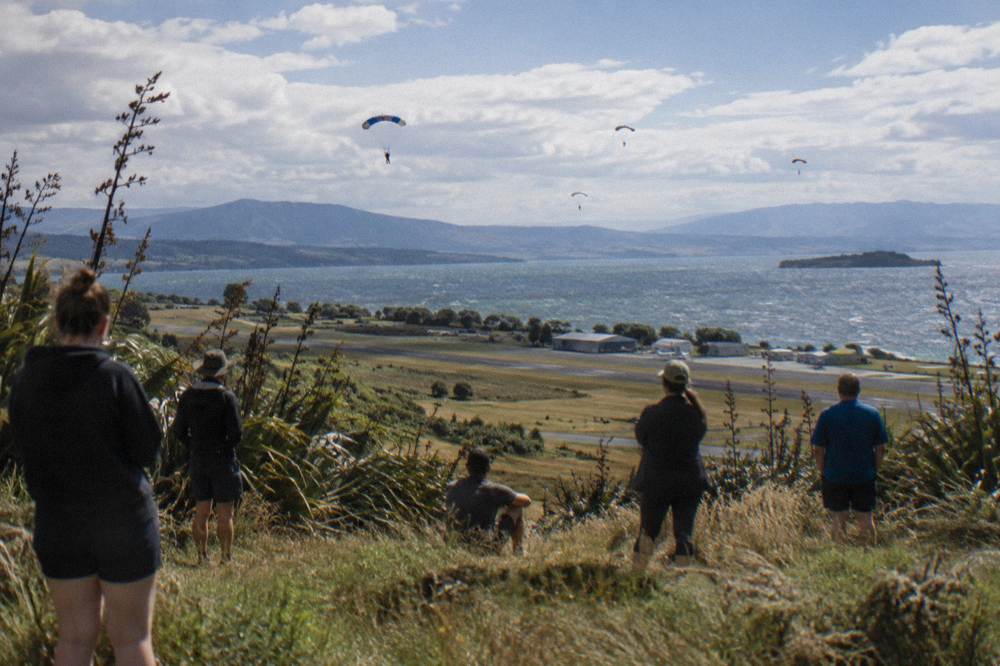
This is about as easy as skydiving logistics get: the drop zone sits ten minutes from town, free transport runs within Taupo, hourly flights go from 8:00 or 9:00 until 16:00 or 18:00 depending on season, and the site operates 362 days a year. The operator says the full visit takes about 2 hours door to door, with the skydive itself about 30 minutes, and you are asked to arrive 30 minutes early to sign in.
“I had an amazing skydiving experience with you today, June 19, 2025! The 12,000-ft jump, professional guides, and seamless hotel pick-up and drop-off were outstanding. Thank you for an unforgettable adventure!”
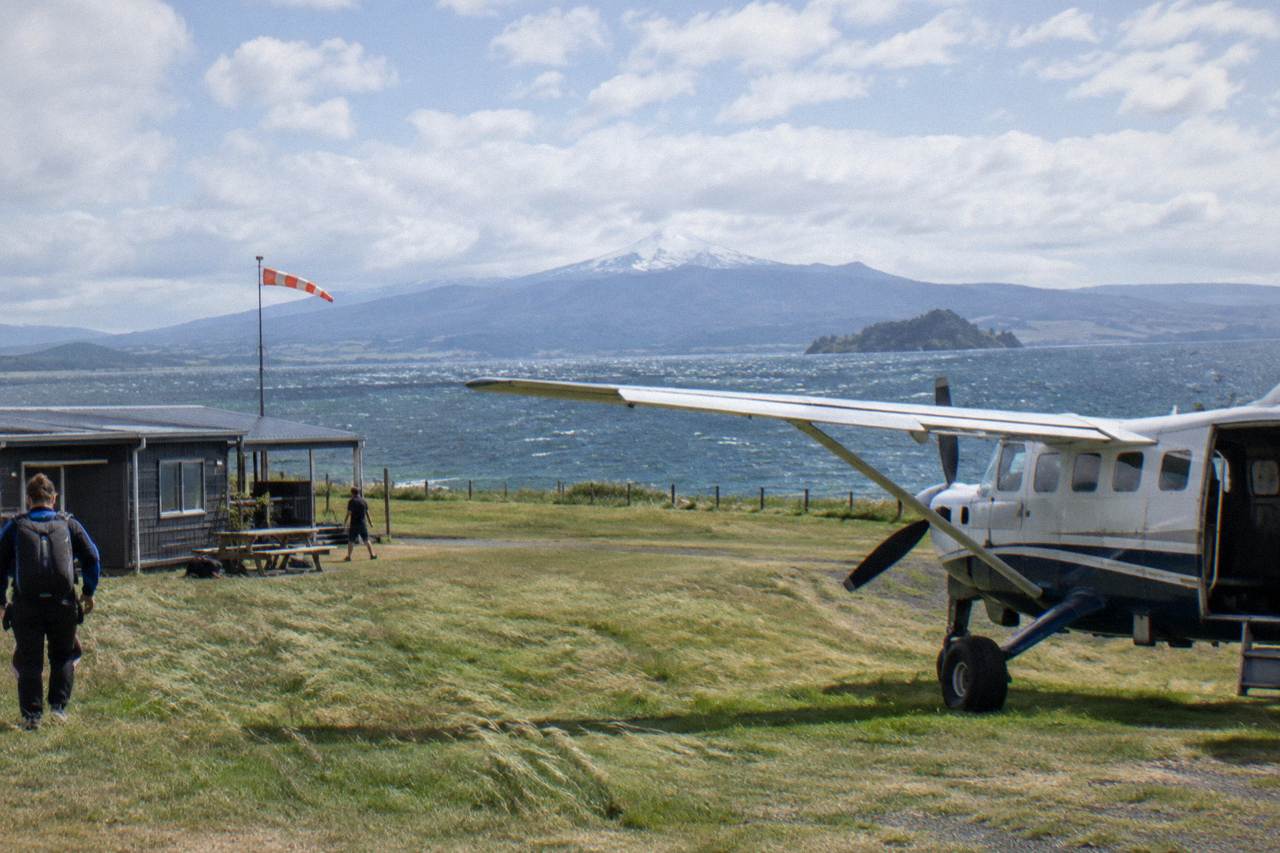
The drop zone sits at 1227 Anzac Memorial Drive, Taupo Airport (TUO), Wharewaka, which the operator describes as just a 10 minute drive from town. If you are staying in Taupo you do not even need that drive: free transport within Taupo runs in a stretch Hummer or a minibus, collecting roughly 30 minutes before your booked time. Rotorua pickup exists but only for groups, not on New Zealand public holidays, and the operator's own pages disagree on the group minimum, so the honest instruction is to ask the operator directly, on 0800 826 336. The web address skydivetaupo.co.nz reaches the same business; it is not a second operator.
Flight frequency is the underrated logistics win. Trips run hourly, 9:00 to 16:00 in winter and 8:00 to 18:00 in summer, on a operation the operator says runs 362 days a year. Hourly slots mean a weather hold in the morning can often become an afternoon jump the same day rather than a lost day, which matters more than any scenery claim when you are on a tight itinerary. The operator's advice is to call 30 minutes before arrival or pickup to confirm the weather, and the operator's FAQ is the page that states it.
Payment terms soften the risk further. Payment is taken after the jump, a weather hold means you rebook the same day or a later day, and if you cannot come back you can cancel free. Prepaid weather cancellations may be refunded, excluding booking and card fees, and gift vouchers are not cash-refundable. The general policy is 24 hour free cancellation, with later cancellation or a no-show possibly charged in full. The detail-rich version of all this sits in the weather and cancellations guide.
For the two bookable skydive-only tours, note the asymmetry stated earlier: the 24 hour free cancellation printed on the 12,000ft Tandem Skydive's booking page is that tour's term; the 15,000ft Tandem Skydive's cancellation terms are not stated on its page, so confirm before relying on them.
The Helicopter Combo: A Different Kind Of Best
If your version of best means the most memorable single day rather than the most freefall per dollar, the Helicopter Flight, 15,000ft Skydive combo is the wildcard: a 12 minute helicopter flight followed by a 15,000 ft skydive with up to 60 seconds of freefall, from NZ$599 per person with a minimum of two passengers. It is new, with no rating yet, and its 136 kg (300 lb) weight limit applies to this combo only.
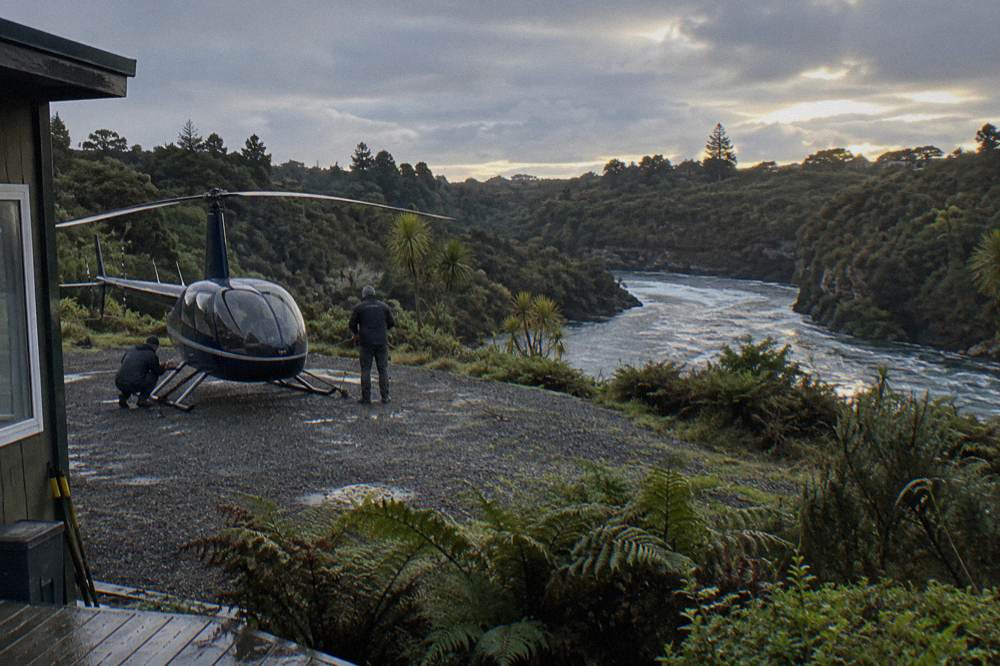
The structure is unusual. The helicopter part is flown by a separate helicopter company from the Huka Falls area, with the booking page giving the start point as 415 Huka Falls Road, Wairakei, and the schedule running a 1pm helicopter flight followed by a 2pm skydive. The operator's combo page adds a free exit photo, transport back to the helicopter base or your accommodation afterwards, and the option to upgrade to 16,500 ft at the drop zone. The booking page says photos and videos are included, and it also offers reserve now, pay later and free cancellation up to 24 hours before.
Against the criteria, the combo trades price efficiency for spectacle. At NZ$599 per person it sits well above the NZD 379 skydive-only price for the same 15,000 ft jump, and the freefall is identical: up to 60 seconds. What the extra buys is the 12 minute scenic flight and the two-part day, not more skydive. It also cannot fly solo bookers, since the minimum is two passengers, which makes it a couples-and-friends product by design. The platform price is not stated, so plan around the operator's NZ$599 figure, and read the full breakdown in the heli and skydive combo guide.
The 15,000ft Tandem Skydive on its own remains the straightforward pick if the helicopter does not tempt you: same altitude, same freefall, bookable as a single tour, with the operator's NZD 379 figure as the planning number and any gap in the printed details closed by a call to 0800 826 336.
Scenery, Scenery Claims And What To Believe
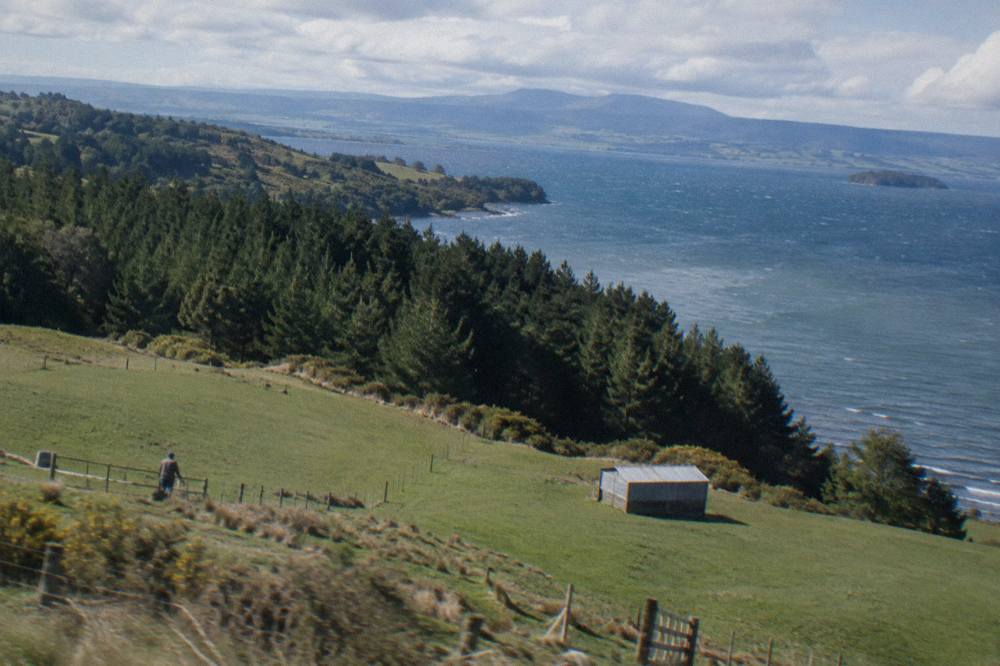
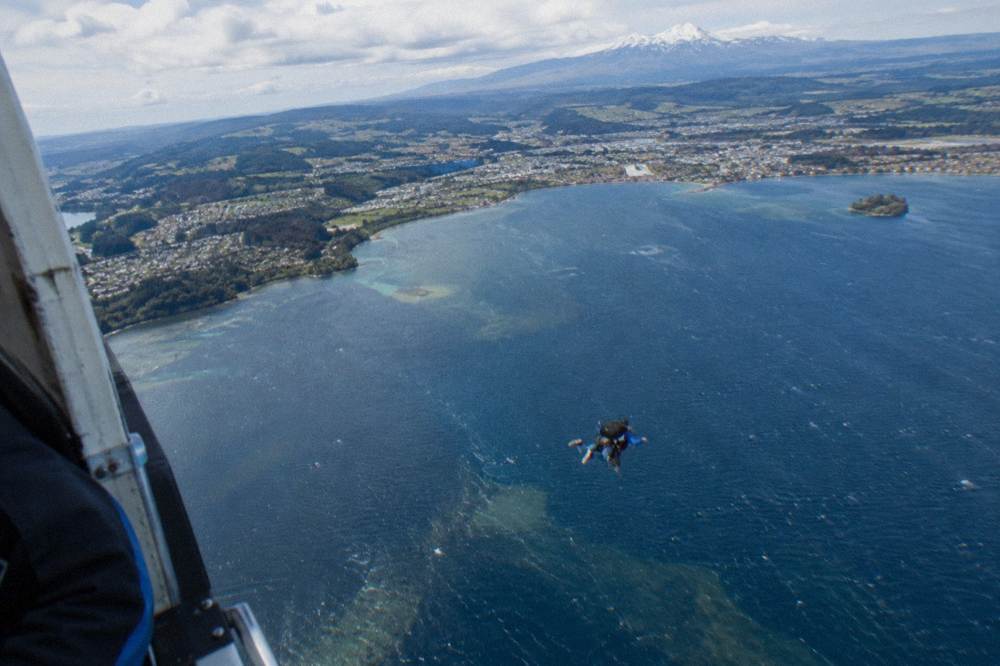
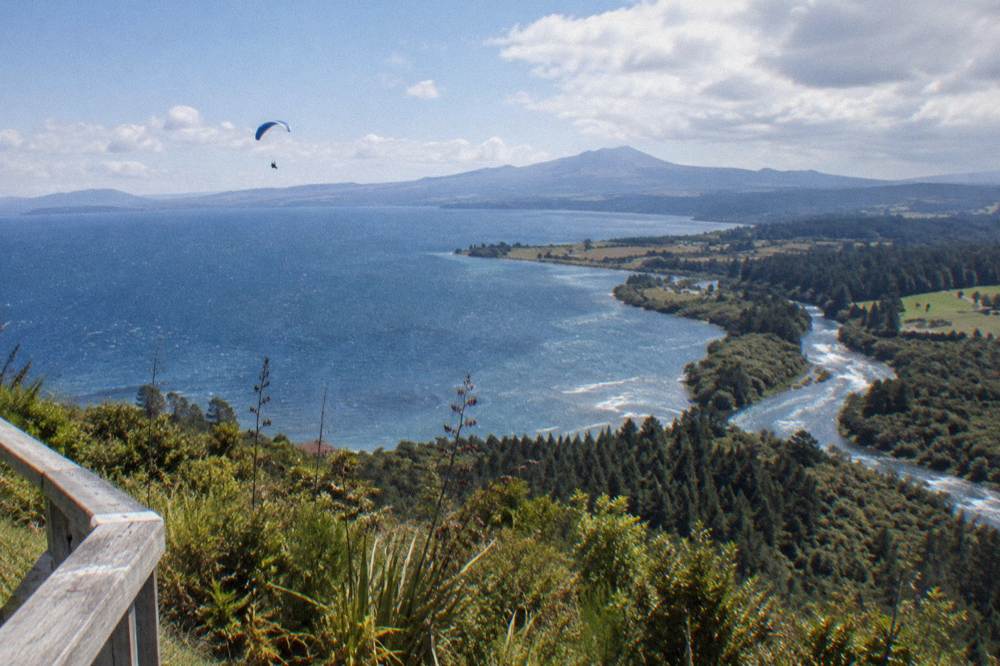
Every New Zealand drop zone markets a view and every one of them has a genuinely good one, so scenery is the weakest basis for choosing between places. Trust what you can verify in advance: the general terrain under the flight path, such as Taupo flying over the Lake Taupo region, not specific promises about exact sights, angles, or weather, since those are claims no operator can keep.
The honest framing is that a lake the size of a small sea, volcanic country and the Huka Falls area are all in this drop zone's neighborhood, and the combo's 12 minute helicopter flight exists precisely because the scenic layer is worth paying for separately. But weather decides visibility, and the operator's own terms say heights can be adjusted and jumps rebooked, so treat any precise scenery promise, from any operator anywhere, as marketing rather than itinerary. If the view is the reason you are choosing between towns, the Lake Taupo skydive overview describes what the region offers in plain terms.
A more reliable scenery test is free: the drop zone's own photos and videos, and the media package you buy on the day. The Taupo operator's camera tiers, from wrist-cam photos to a dedicated freefall camera flyer, document whatever the day actually delivers, and the media arrives by email as a link afterwards. You are, in effect, buying the evidence.
What Trips People Up When Choosing Where To Skydive
Most bad skydive decisions come from comparing figures across towns, trusting a single from-price, or ignoring the fine print: holiday surcharges, age and weight rules, and the 24 hour scuba rule. People also book the cheapest height without checking its camera options, then discover the outside freefall camera they wanted is not offered at 9,000 or 16,500 ft. Every one of these traps is avoidable with one extra minute of reading.
The first trap is cross-town price comparison. A from-price in one town says nothing about another town's ladder, and converting currencies or averaging figures produces nonsense. Plan from one operator's own ladder, in its own currency, and label every NZD amount as NZD. The second trap is the from-price itself: the 12,000ft Tandem Skydive's from US$194 is that tour's figure alone, and the NZD ladder, holiday surcharge and card surcharge are the real budget.
The third trap is eligibility. Minimum age is 8, with written guardian consent under 18, individual assessment under 14, and 16,500 ft restricted to ages 14 and over. Weight over 100 kg is assessed individually by the Safety Officer, with no fixed maximum stated for the skydive-only tours, while the helicopter combo's booking page separately says not suitable over 136 kg (300 lb). Health rules are simple but strict: no scuba diving within 24 hours, no drugs or alcohol, government photo ID on the day. The scuba window and the alcohol rule are two separate rules, not one.
| Trap | The Rule That Catches It |
|---|---|
| Comparing prices across towns | Use one operator's ladder only, all figures in NZD |
| Trusting the from-price alone | Add the 15 percent NZ public holiday and 1.5 percent card surcharges |
| Booking 16,500 ft blind | Ages 14+, high-altitude waiver at the drop zone, exit height may be adjusted |
| Wanting an outside freefall camera | Not offered at 9,000 or 16,500 ft; handycam package is the alternative |
| Diving then jumping | No scuba within 24 hours before the skydive |
| Weight worries | Over 100 kg assessed individually; combo capped at 136 kg per its booking page |
Common Questions About Choosing Where To Skydive In New Zealand
Where Is The Best Place To Skydive In New Zealand?
There is no single best place. Choose on exit height, freefall seconds, all-in price and logistics, using each operator's own published figures. At Taupo the ladder runs 9,000 to 16,500 ft, freefall runs from almost 40 seconds to over 70 seconds, and the drop zone is a 10 minute drive from town with free local transport.
How High Can You Skydive In Taupo?
The operator offers four heights: 9,000, 12,000, 15,000 and 16,500 ft. The operator says 16,500 ft is its highest jump and describes it as nearly 18,000 ft above sea level. That top height is restricted to ages 14 and over and requires a high-altitude waiver signed at the drop zone.
How Much Does A Taupo Skydive Cost?
Skydive-only prices are NZD 279 at 9,000 ft, NZD 329 at 12,000 ft, NZD 379 at 15,000 ft and NZD 529 at 16,500 ft. Camera packages run from NZD 438 to NZD 759 depending on height and tier. A 15 percent surcharge applies on New Zealand public holidays, plus 1.5 percent on card payments.
Which Taupo Jump Gives The Longest Freefall?
The 16,500 ft jump, with what the operator states as over 70 seconds of freefall. The 15,000 ft jump gives almost 60 seconds and the 12,000 ft jump almost 40 seconds. No freefall figure is printable for 9,000 ft, and no speed figure in km/h or mph is stated at any height.
Can You Cancel If The Weather Is Bad?
Payment is taken after the jump, and a weather hold means you rebook the same day or a later day, or cancel free if you cannot return. The 12,000ft Tandem Skydive carries free cancellation up to 24 hours before; the combo's booking page also shows 24 hour free cancellation. Call 30 minutes before arrival or pickup to confirm the weather.
Is The Helicopter Combo Better Value Than A Normal Skydive?
Not on freefall per dollar: the combo's NZ$599 per person buys the same up to 60 seconds of freefall as the NZD 379 skydive-only 15,000 ft jump. What the extra buys is a 12 minute helicopter flight, a free exit photo, media included per the booking page, and return transport. It needs a minimum of two passengers per booking.
The method travels, too. Wherever you end up jumping in New Zealand, ask the same four questions this page asked of Taupo Tandem Skydive: what heights, what freefall seconds, what all-in price, and how easy is the day. Any operator that answers all four in writing, like this one does on its prices and FAQ pages, has done its half of the job. The other half is the weather.